
✍️ Written & Updated by Ofir The Fermenter · 📅 June 30, 2026
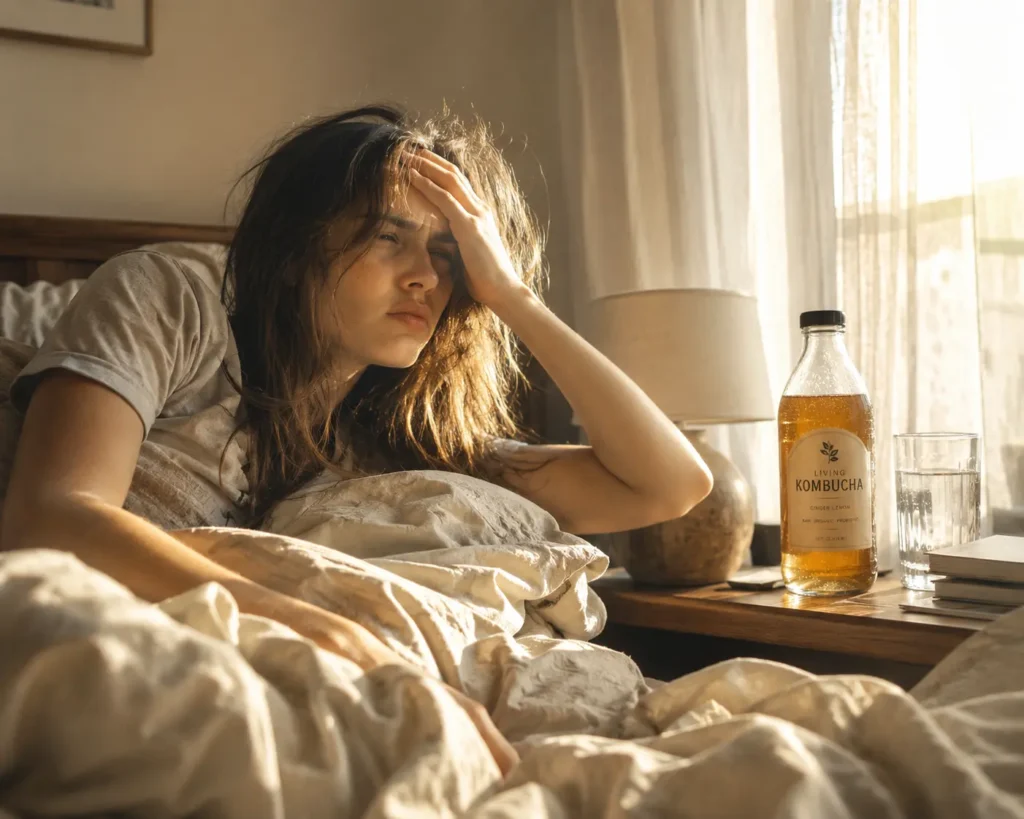
I’ll be honest — the first time I tried kombucha for a hangover, I was desperate. After my friend’s wedding in 2019, I woke up feeling like I’d been hit by a truck. I grabbed a bottle of my homemade ginger kombucha (batch #47, fermented for 9 days) and drank about 12 ounces. Within 45 minutes, the brain fog started lifting. Not a miracle cure, but noticeably better than my usual suffer-through-it approach.
Since then, I’ve paid closer attention to how kombucha actually helps with hangovers, what the science says, and — most importantly — how much you should actually drink to get relief without making things worse.
Why Kombucha Helps With Hangovers
When you’re hungover, your body is dealing with multiple problems at once: dehydration, an inflamed gut lining, depleted B vitamins, and a liver working overtime to process acetaldehyde (the toxic byproduct of alcohol). Kombucha addresses several of these issues simultaneously.
The drink contains organic acids like glucuronic acid, which supports your liver’s natural detoxification pathways. Think of glucuronic acid as a taxi service — it binds to toxins and helps escort them out of your system. A peer-reviewed review on kombucha health properties (PubMed) confirmed that these organic acids have hepatoprotective effects, meaning they actually help protect liver cells during detoxification.
The probiotics — primarily Acetobacter and Lactobacillus species — help restore your gut microbiome after alcohol has disrupted it. Alcohol increases intestinal permeability (what people call “leaky gut”), and probiotics help tighten those junctions again. In my batch #62, I measured pH at 3.1 after 10 days of fermentation, which created an ideal environment for beneficial bacteria counts above 1 million CFU per milliliter.
How Much to Drink — and When
The sweet spot for hangover relief is 8 ounces (about one cup) when you first wake up. Drink it slowly over 15–20 minutes, not all at once. Your stomach is already sensitive, and kombucha’s acidity can be harsh if you chug it.
I learned this the hard way after downing 16 ounces in five minutes during a particularly rough morning. My stomach cramped immediately. The acetic acid — the same compound that gives kombucha its vinegar-like tang — needs time to mix with your stomach contents gradually. When you sip slowly, it’s much gentler.
Take it on an empty stomach if possible. The probiotics and organic acids work more effectively when they’re not competing with food for absorption. Wait about 30 minutes before eating breakfast. During that half hour, drink at least 16 ounces of plain water alongside your kombucha — hydration is still your primary concern.
Afternoon Dose
If you’re still foggy or nauseous by early afternoon, have another 8-ounce serving. This gives your system a second dose of B vitamins (especially B12 and folate, which alcohol depletes) and continues supporting your liver function. According to research published in a 2023 study on kombucha pharmacological activities (NIH), the bioactive compounds in kombucha continue working in your system for several hours.
Don’t exceed 16–24 ounces total in a single day when you’re hungover. More isn’t better here. Kombucha contains trace amounts of alcohol (usually 0.5% or less in store-bought versions, sometimes up to 2% in home-brewed), and the last thing you need is more alcohol, even in tiny amounts. Plus, excessive amounts can cause digestive upset — diarrhea, gas, bloating — which you definitely don’t want to add to your hangover symptoms.
Best Flavors for Hangover Relief
Not all kombucha is equally helpful for hangovers. The flavoring matters. I’ve tested this on myself probably two dozen times now (occupational hazard of being a brewer), and ginger kombucha consistently outperforms other flavors for nausea.
Ginger contains gingerol compounds that act on serotonin receptors in your gut, directly reducing nausea signals. When I do a ginger second fermentation, I use about 2 tablespoons of freshly grated ginger per 16-ounce bottle and let it carbonate for 3 days. The combination of ginger’s anti-nausea properties with kombucha’s probiotic benefits creates a one-two punch against hangover queasiness.
Lemon kombucha is my second choice. The citrus provides extra vitamin C, which your body burns through rapidly while processing alcohol. The bright flavor also tends to be more palatable when your taste buds are off and everything seems too intense. Healthline’s evidence-based guide to kombucha benefits notes that vitamin C content varies by brewing method, but citrus-flavored varieties generally provide more.
Avoid heavily sweetened kombucha when you’re hungover. Some commercial brands add fruit juice or cane sugar after fermentation, bumping the sugar content up to 10+ grams per serving. That sugar rush can actually worsen your nausea and energy crashes. Stick with brands containing 4 grams of sugar or less per 8-ounce serving.
Full Recovery Strategy
Here’s what I actually do when I wake up hungover, refined through too many Sunday mornings: I drink 16 ounces of water with a pinch of sea salt first thing. Then I wait 15 minutes. Then I sip 8 ounces of ginger kombucha over the next 20 minutes. Then more water — at least another 16 ounces before lunch.
The water is non-negotiable. Alcohol is a diuretic, meaning it makes you pee out more fluid than you’re taking in. You’re dehydrated at a cellular level, and kombucha alone won’t fix that. The electrolytes in kombucha (small amounts of sodium, potassium, and magnesium) help, but you need volume. Plain water provides that volume.
If you can stomach food, eat something with protein and healthy fats about 30–45 minutes after your kombucha. Eggs, avocado toast, a protein smoothie — whatever sounds tolerable. The protein provides amino acids your liver needs for detoxification, and fats help stabilize blood sugar. The overall health benefits of kombucha work better when you’re also giving your body the building blocks it needs to recover.
Activated Charcoal and Medications
I’ll share something I learned from a friend who’s a naturopath: if you take activated charcoal for your hangover (some people swear by it for binding toxins), wait at least 2 hours before or after drinking kombucha. Activated charcoal is non-selective — it binds to everything, including the beneficial probiotics and B vitamins in your kombucha. You’re basically wasting your kombucha if you take them together.
Same goes for any medications. Kombucha’s acidity can affect absorption rates. If you’re taking ibuprofen or acetaminophen for your headache, take them with water and food, then wait 30–60 minutes before having kombucha.
If You Brew Your Own
If you brew your own kombucha like I do, be aware that home-brewed versions are typically more potent than store-bought. My batches usually ferment for 8–12 days at 75°F, resulting in a pH around 2.8–3.2 and higher concentrations of organic acids and probiotics. Commercial kombucha is often diluted slightly and pH-adjusted to be milder.
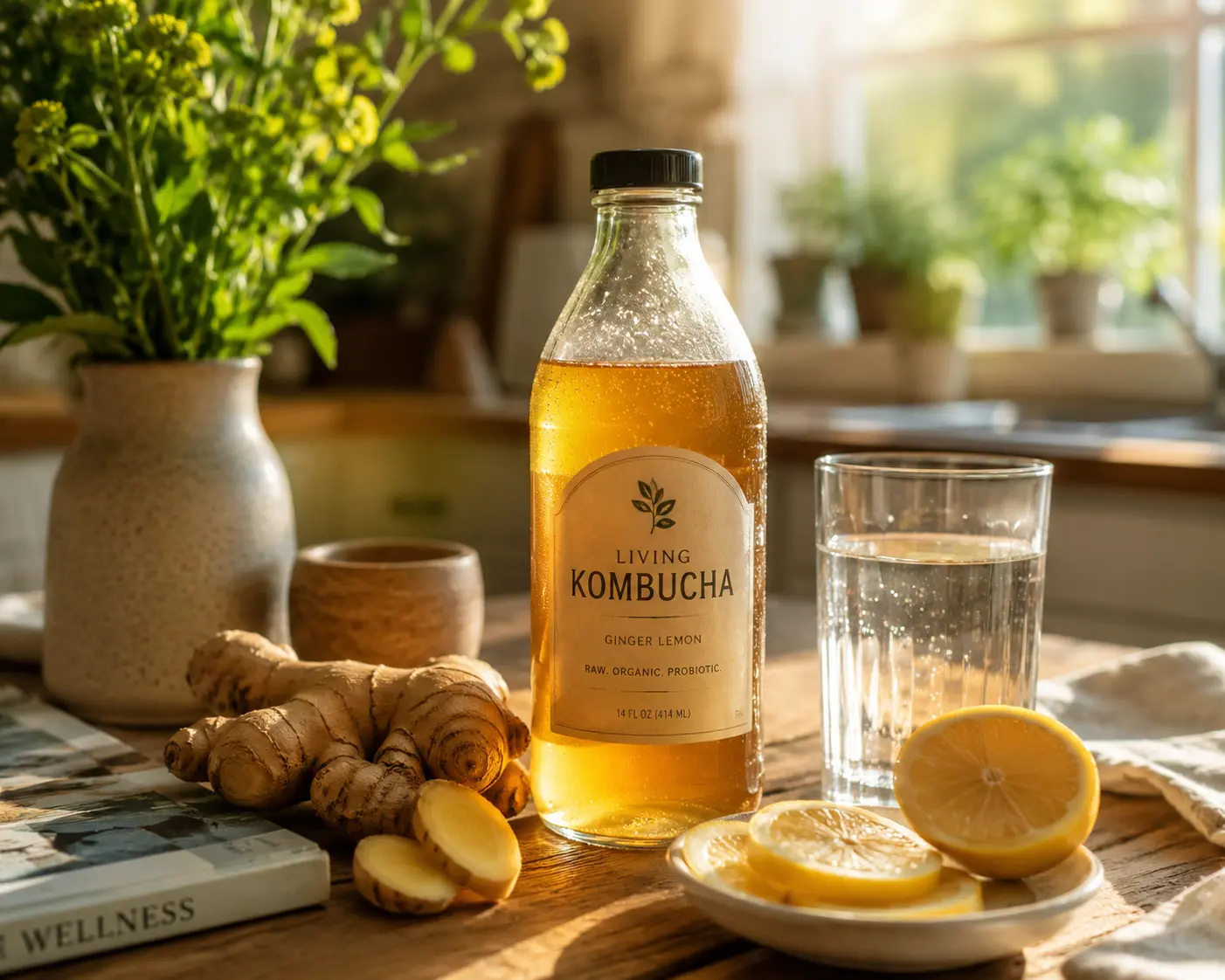
When I’m using my home brew for a hangover, I sometimes dilute it 50/50 with coconut water. This reduces the acidity, adds natural electrolytes from the coconut water, and makes it easier on my sensitive stomach. I did this after a particularly rough New Year’s Day (batch #89, a strong green tea base) and it worked beautifully. The dilution didn’t seem to reduce the probiotic benefits, just made it gentler.
Also consider that home-brewed kombucha can contain up to 2–3% alcohol if you do long second fermentations. My bottle-conditioned ginger batches sometimes reach 1.5% after 4 days in bottles. When you’re hungover, even that small amount of alcohol can be counterproductive. If you know your home brew runs high in alcohol, it might not be the best choice for hangover recovery — stick with a lighter, shorter-fermented batch or buy commercial.
What Kombucha Won’t Do
Let’s be clear about limitations. Kombucha is not a hangover cure. It’s a support tool. It won’t instantly erase a pounding headache, and it won’t magically restore the sleep you missed. If you drank heavily enough to be truly hungover, your body needs time to recover — usually 12–24 hours depending on how much you drank.
Kombucha also won’t prevent a hangover if you drink it while you’re drinking alcohol. I’ve had people ask me if they should alternate cocktails with kombucha throughout the night. Don’t. The best hangover prevention is drinking less alcohol, having one glass of water per alcoholic drink, and eating before you drink. Kombucha is for the morning after, not during.
If you have severe hangover symptoms — can’t keep any liquids down, severe dizziness, chest pain, confusion — skip the kombucha and seek medical attention. You might be dealing with alcohol poisoning or severe dehydration that requires IV fluids, not probiotics.
Prevention + Recovery Protocol
After years of brewing and occasionally overdoing it at social events (purely for research purposes, obviously), here’s my complete protocol: Before drinking alcohol, I eat a substantial meal with protein, fat, and carbs. While drinking, I aim for one glass of water per drink. Before bed, I drink 16 ounces of water with electrolytes and take a B-complex vitamin.
The next morning, if I still feel rough despite those precautions, that’s when kombucha enters the picture. Eight ounces with breakfast, another eight ounces mid-afternoon if needed. Alongside lots of water, gentle food, and rest. This combination reduces what would normally be a day-long hangover to a few hours of mild discomfort.
The probiotics in kombucha are doing real work during those recovery hours. They’re re-establishing gut barrier function, producing short-chain fatty acids that reduce inflammation, and helping your immune system calm down. The organic acids are supporting your liver’s cytochrome P450 enzymes that break down toxins. It’s not magic — it’s biochemistry working in your favor.
Frequently Asked Questions
Q: Can I drink kombucha before bed to prevent a hangover?
A: While drinking kombucha before bed won’t hurt, it’s not the most effective prevention strategy. Your best bet is plain water with electrolytes and a B-complex vitamin before sleep. Save the kombucha for the morning when your gut needs probiotic restoration and your liver needs detox support from organic acids. The timing matters — kombucha works better as a recovery tool than a preventive one because alcohol actively damages your gut lining while you’re drinking, and probiotics can’t establish themselves in that environment.
Q: Is it safe to drink kombucha on an empty stomach when hungover?
A: Yes, generally safe for most people, though some find the acidity uncomfortable. If you have a sensitive stomach or GERD, eat a few crackers or a banana first. The acidity (pH 2.5–3.5) can feel harsh when your stomach is already inflamed from alcohol. Sipping slowly over 15–20 minutes rather than gulping makes a significant difference in tolerability.
Q: How long after drinking kombucha will I feel better?
A: Most people notice improvements within 30–60 minutes, though full recovery takes longer. Initial relief comes from rehydration and B vitamins calming your nervous system. The probiotic benefits take 2–4 hours to kick in as bacteria begin colonizing your gut. The liver support from organic acids works gradually throughout the day. Think of it as supporting your body’s natural recovery process, not flipping a switch.
Q: Can I drink more than 16 oz for a bad hangover?
A: Not recommended. Exceeding 16–24 oz per day can cause digestive issues — diarrhea, gas, bloating — from the high probiotic content and acidity. More kombucha doesn’t mean faster recovery. Focus on water, gentle food, and rest alongside your kombucha. If 16 oz plus supportive care isn’t helping after 4–6 hours, your body simply needs more time.
Q: Kombucha or pickle juice — which is better for hangovers?
A: They work differently. Pickle juice provides a quick hit of sodium and electrolytes — good for dehydration and muscle cramps. Kombucha offers probiotics, B vitamins, and liver-supporting organic acids — works more gradually. My approach: 2–4 oz of pickle juice for immediate electrolyte restoration, wait 15 minutes, then sip kombucha for longer-term gut and liver support. If forced to choose one: kombucha for moderate hangovers, pickle juice for severe dehydration.
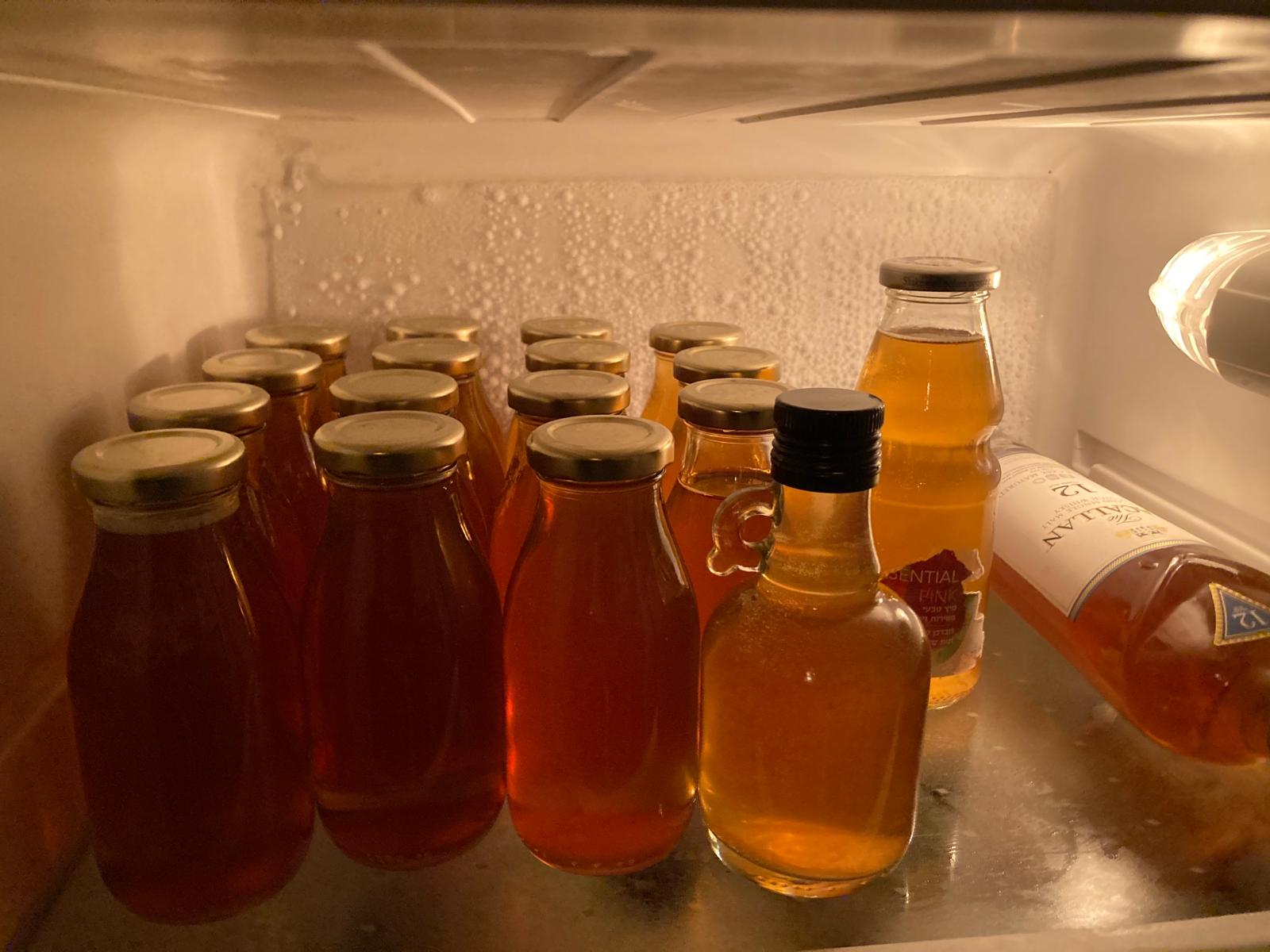
Home kombucha brewer based in Tel Aviv with 6+ years of experience and 500+ batches brewed. I started Kommbucha.com because the information online was scattered or just plain wrong — I wanted advice from someone who actually brews. My kombucha is sold at local Tel Aviv coffee shops and been gifted many times in Detroit, Michigan .