
✍️ Written & Updated by Ofir The Fermenter · 📅 July 23, 2026
Cracking open a cold bottle of kombucha after dinner feels like a pretty harmless wind-down. But if you’ve been wondering whether that habit is secretly messing with your sleep, you’re not alone. The honest answer sits somewhere between “totally fine” and “it depends,” and a few specific things in your brew are worth knowing about before you make it a nightly ritual.
If you want the broader picture on kombucha and your health, check out our guide on is kombucha healthy.
How Much Caffeine Is Actually in Kombucha?
This is the first thing people worry about, and the good news is that the numbers are pretty small. Kombucha is typically made from black or green tea, and though the caffeine content is reduced during fermentation, there’s still caffeine present in the finished brew, about 10 to 25 mg of caffeine per cup (8 oz / 240 ml).
The fermentation process cuts down on the tea’s natural caffeine content, with about one-third remaining in the final product. Here’s the mechanism: yeast and bacteria break down caffeine as a key nutrient during fermentation. So the SCOBY is literally consuming some of the caffeine for fuel as it works.
One cup (8 fl oz / 240 ml) of brewed coffee contains about 6 to 8 times the caffeine as one cup of kombucha. That’s genuinely a low number. Still, individual brands vary more than you’d think. The caffeine content in store-bought kombucha can range significantly, from as low as 7 mg to as high as 80 mg per serving.

Will Kombucha Caffeine Disrupt Your Sleep?
For most people, no. Kombucha contains very little caffeine, so it generally will not keep you awake at night. But if you’re highly sensitive to caffeine, you might want to steer clear of any caffeinated drinks in the evening.
Timing matters a lot here. Most medical experts recommend you don’t consume any caffeine for 4 to 6 hours before you go to bed. Even though kombucha contains less caffeine than a standard cup of tea, the caffeine can still influence sleep if you’re sensitive to stimulants.
If you already avoid tea, coffee, or chocolate before bed, kombucha at night may not be ideal for you. There’s also the L-theanine angle worth knowing about. Unlike coffee, which can raise anxiety levels, tea and by extension kombucha has a calming effect due to the amino acid L-theanine. That’s why some people actually feel relaxed after an evening glass rather than wired.
The Acidity and Carbonation Problem
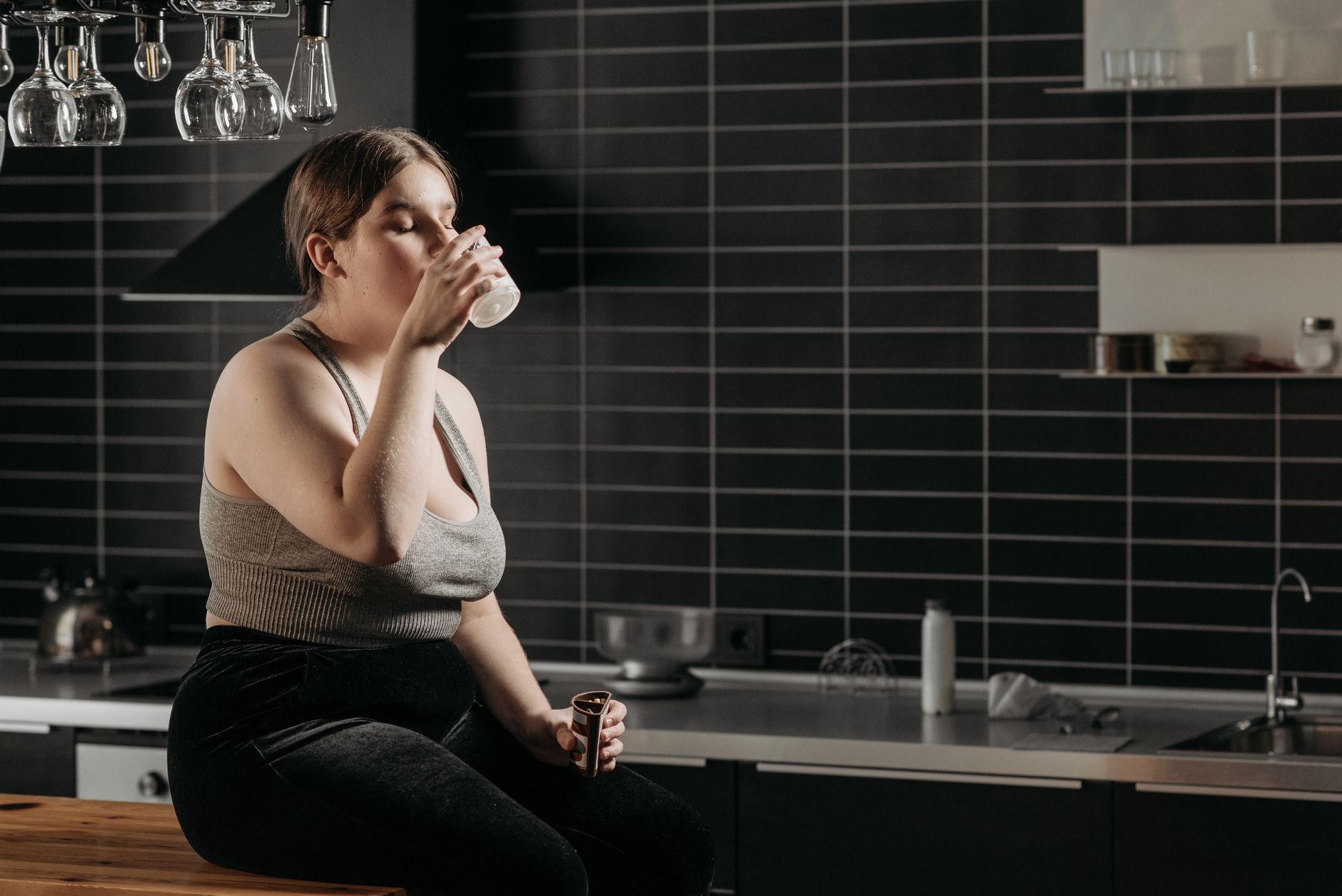
Caffeine isn’t the only thing to think about. Kombucha is naturally acidic, and when combined with carbonation, it may trigger acid reflux or bloating in sensitive individuals. Lying flat amplifies this, so if you already deal with GERD or a sensitive stomach, right-before-bed kombucha is probably a bad idea.
The natural carbonation in kombucha can make your stomach feel full or gassy, which is not comfortable when you’re lying down. This is especially true if you drink a full 16 oz (475 ml) bottle in one sitting. A smaller pour, say 8 oz (240 ml), is usually more forgiving.
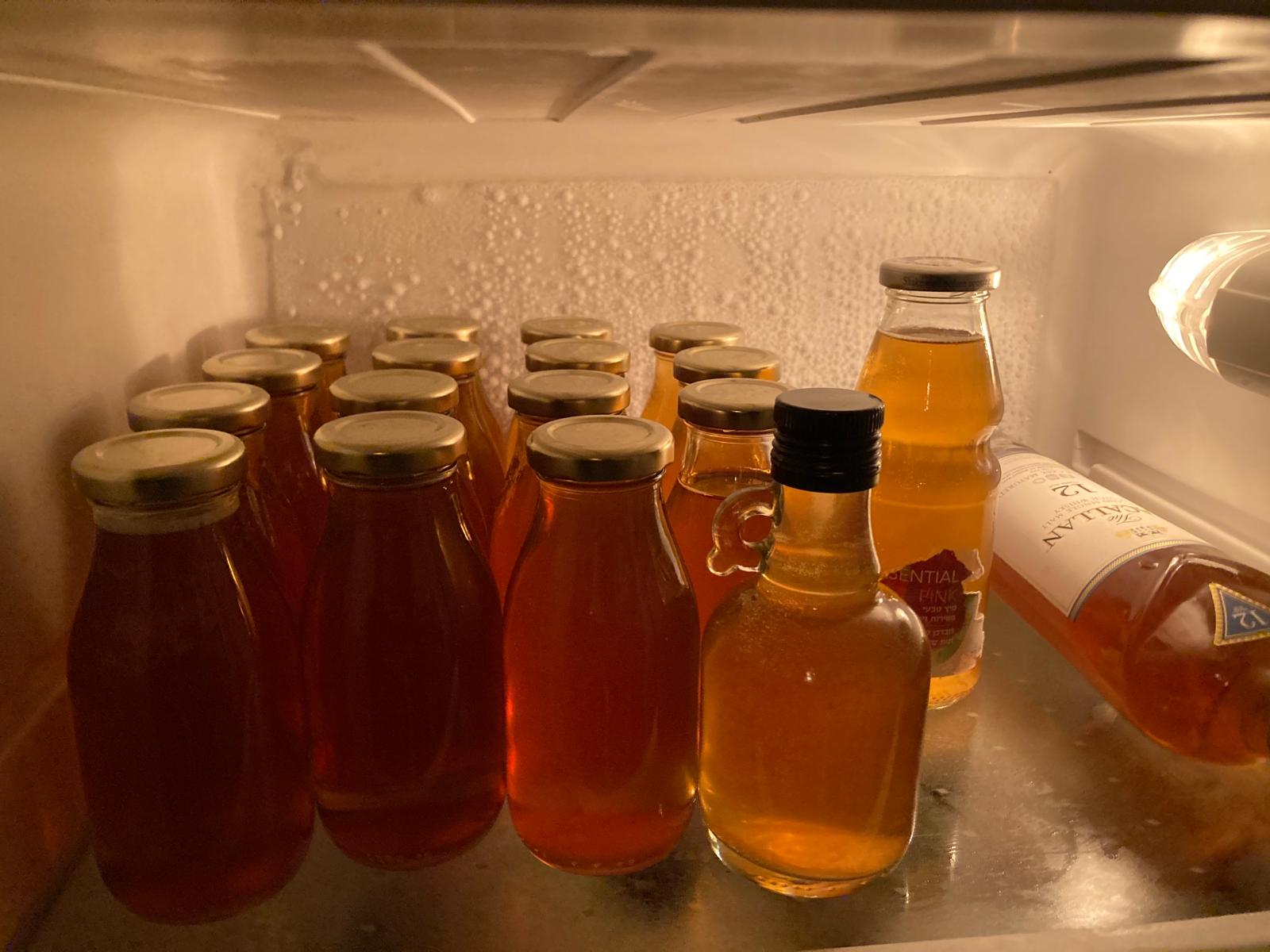
As a home brewer, I keep a row of swing-top bottles for the second ferment, where a single extra day on the counter changes the fizz completely. A very lively second ferment means more carbonation and, if you’re drinking it close to sleep, more potential for bloat.
What About the Sugar and Trace Alcohol?
Both of these are worth a look on the label. Commercial brands vary widely in sugar content. Some “dry” varieties have as little as 2 grams per serving, while others pack up to 20 grams.
High sugar intake before bed can lead to a rapid increase in blood sugar followed by a crash, which can trigger the release of stress hormones like cortisol, making it harder to fall asleep or causing awakenings during the night.
On the alcohol side, kombucha naturally contains trace amounts of alcohol, and by law non-alcoholic beverages must contain less than 0.5% ABV. That’s genuinely tiny. But if you’re curious about exactly how that compares across different brews, our page on kombucha alcohol content covers the full picture. Home-brewed batches can occasionally test higher, so if you brew your own, it’s worth being aware, particularly right before bed.
Could Kombucha Probiotics Actually Help You Sleep?
Here’s the more interesting side of this question. The gut-sleep connection is a real and growing area of research. The gut-brain axis serves as a conduit for crosstalk between gut microbiota and the central nervous system, with dysbiosis impairing sleep quality.
Specific gut bacteria, like Lactobacillus and Bifidobacterium, enhance sleep through serotonin and gamma-aminobutyric acid production. Probiotics demonstrate therapeutic promise in restoring gut microbiota balance and synchronizing circadian rhythm. The key word there is “promise.”
Direct research specifically on kombucha’s impact on sleep cycles is currently limited, so it’s too early to claim kombucha is a sleep aid. What we can say is that a healthy gut microbiome and good sleep appear to reinforce each other, which is a reasonable argument for regular kombucha consumption generally, not necessarily right at bedtime.
Timing Guide: When to Drink Kombucha at Night
Practical Tips to Make It Work
- Check the label for sugar. Stick to a brew with under 8 grams of sugar per 8 oz (240 ml) serving if you’re drinking it in the evening.
- Pour a smaller amount. An 8 oz (240 ml) serving is usually more forgiving than a full 16 oz (475 ml) bottle, especially close to bedtime.
- Go low-caffeine if you brew your own. A huge benefit of making your own kombucha is controlling what goes into it. Caffeine is a source of nitrogen for the SCOBY, but it is not the only source, so opting for a caffeine-free or herbal tea won’t be detrimental to your culture.
- Sit upright for 30 minutes. This gives carbonation time to settle and reduces the risk of reflux.
- Try it and pay attention. Listening to your own body and paying attention to how you feel after drinking kombucha is the best way to determine what works for you.
The Bottom Line on Kombucha Before Bed
Kombucha before bed isn’t a problem for most people, especially if you give yourself an hour or two of buffer and choose a low-sugar, lightly carbonated brew. The caffeine is genuinely low, and there’s promising (if still early) science pointing toward gut-friendly drinks supporting better sleep over time.
Where it gets tricky is the combination of acidity, carbonation, and residual sugar right before lying down. Those three together can disturb anyone’s night. Know your sensitivities, read the label, and treat the timing like you would any caffeinated drink.
Frequently Asked Questions
Q: Can I drink kombucha every night before bed?
A: You can drink kombucha at night, but it may affect sleep for some people due to its caffeine, acidity, and probiotics. It’s best to drink it 1 to 2 hours before bed to support digestion while reducing the risk of sleep disruption, bloating, or acid reflux. Doing this consistently is fine for most healthy adults.
Q: How much caffeine is in a typical bottle of kombucha?
A: After fermentation, kombucha contains about 10 to 25 mg of caffeine per cup (8 oz / 240 ml), compared to about 40 mg in a cup of coffee. That said, some brands, especially energy kombucha products, can be considerably higher, so always check the label.
Q: Does kombucha help you sleep?
A: There’s no direct clinical evidence that kombucha improves sleep. However, specific gut bacteria like Lactobacillus and Bifidobacterium enhance sleep through serotonin and gamma-aminobutyric acid production, and kombucha delivers live cultures from both families. It’s a plausible long-term benefit, but not a proven short-term sleep aid.
Q: Is kombucha bad for people with acid reflux if drunk before bed?
A: Kombucha is naturally acidic, and when combined with carbonation, it may trigger acid reflux or bloating in sensitive individuals. If you have GERD or a sensitive stomach, either skip it before bed altogether or have a very small pour (4 oz / 120 ml) at least two hours before lying down.
Q: Can kids or pregnant people drink kombucha before bed?
A: Kombucha contains trace alcohol and live bacteria, making it a drink to approach with caution for kids, pregnant people, and immunocompromised individuals at any time of day, not just before bed. Talk to a healthcare provider before making it a regular habit in those cases.
Ofir is a brewer, not a doctor, so anyone with a medical concern should talk to a healthcare professional.
Home kombucha brewer based in Tel Aviv with 6+ years of experience and 500+ batches brewed. I started Kommbucha.com because the information online was scattered or just plain wrong — I wanted advice from someone who actually brews. My kombucha is sold at local Tel Aviv coffee shops and been gifted many times in Detroit, Michigan .