
✍️ Written & Updated by Ofir The Fermenter · 📅 May 28, 2026
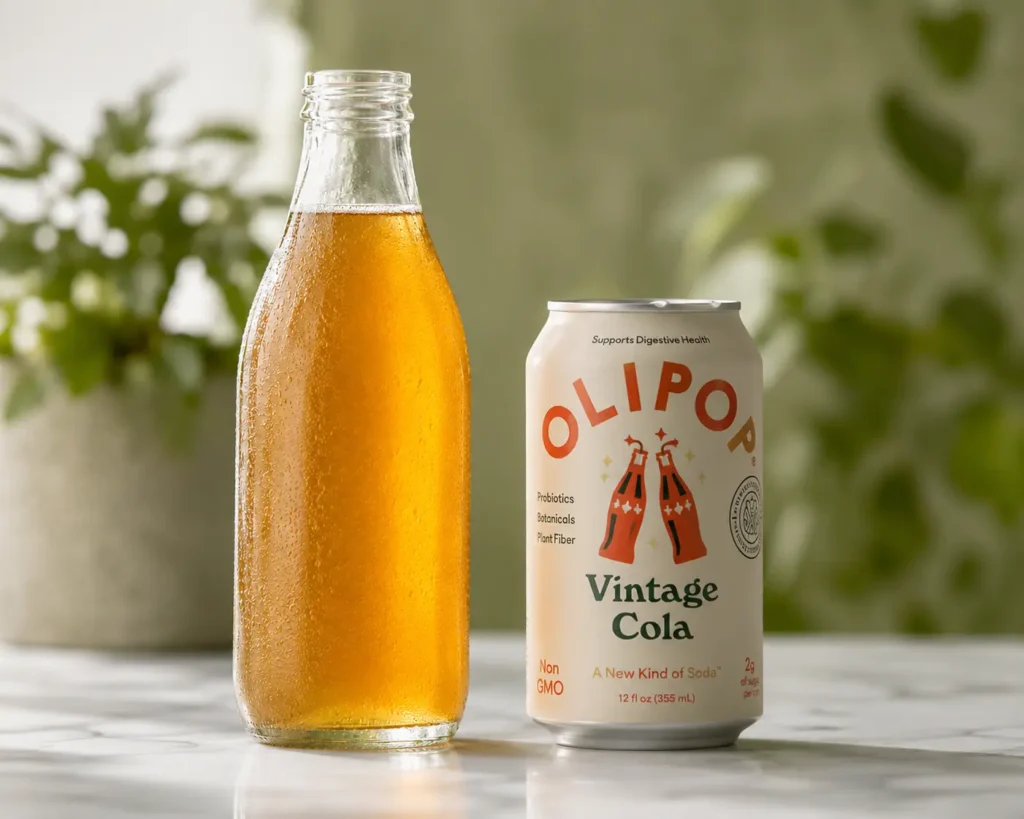
I’ll be honest—when Olipop started showing up in every grocery store cooler next to my homemade kombucha bottles, I was skeptical. Another trendy soda alternative promising gut health? But after dozens of batches brewed in my kitchen and more than a few Olipop taste tests, I’ve learned these drinks are more different than you’d think. Let me walk you through what I’ve discovered about kombucha vs Olipop, so you can decide which one actually fits your health goals.
What Actually Makes These Drinks Different
The fundamental difference is that kombucha is fermented and Olipop is formulated. When I brew kombucha in my kitchen, I’m growing a living SCOBY (symbiotic culture of bacteria and yeast) that transforms sweet tea into a probiotic-rich beverage over 7-14 days. The bacteria and yeast literally eat the sugar, producing beneficial acids, enzymes, and billions of live microorganisms.
Olipop, on the other hand, is engineered in a facility. They combine botanicals, plant fiber, and prebiotics like inulin and Jerusalem artichoke in specific ratios to create a functional beverage that tastes like soda. There’s no fermentation happening—it’s manufactured to specification every time. According to Healthline’s kefir vs kombucha comparison, fermented beverages create compounds through microbial activity that formulated drinks simply cannot replicate.
This isn’t a value judgment—they’re solving different problems. Kombucha aims to deliver live cultures and fermentation byproducts. Olipop aims to provide prebiotic fiber in a format people will actually drink consistently.
The Probiotic vs Prebiotic Question
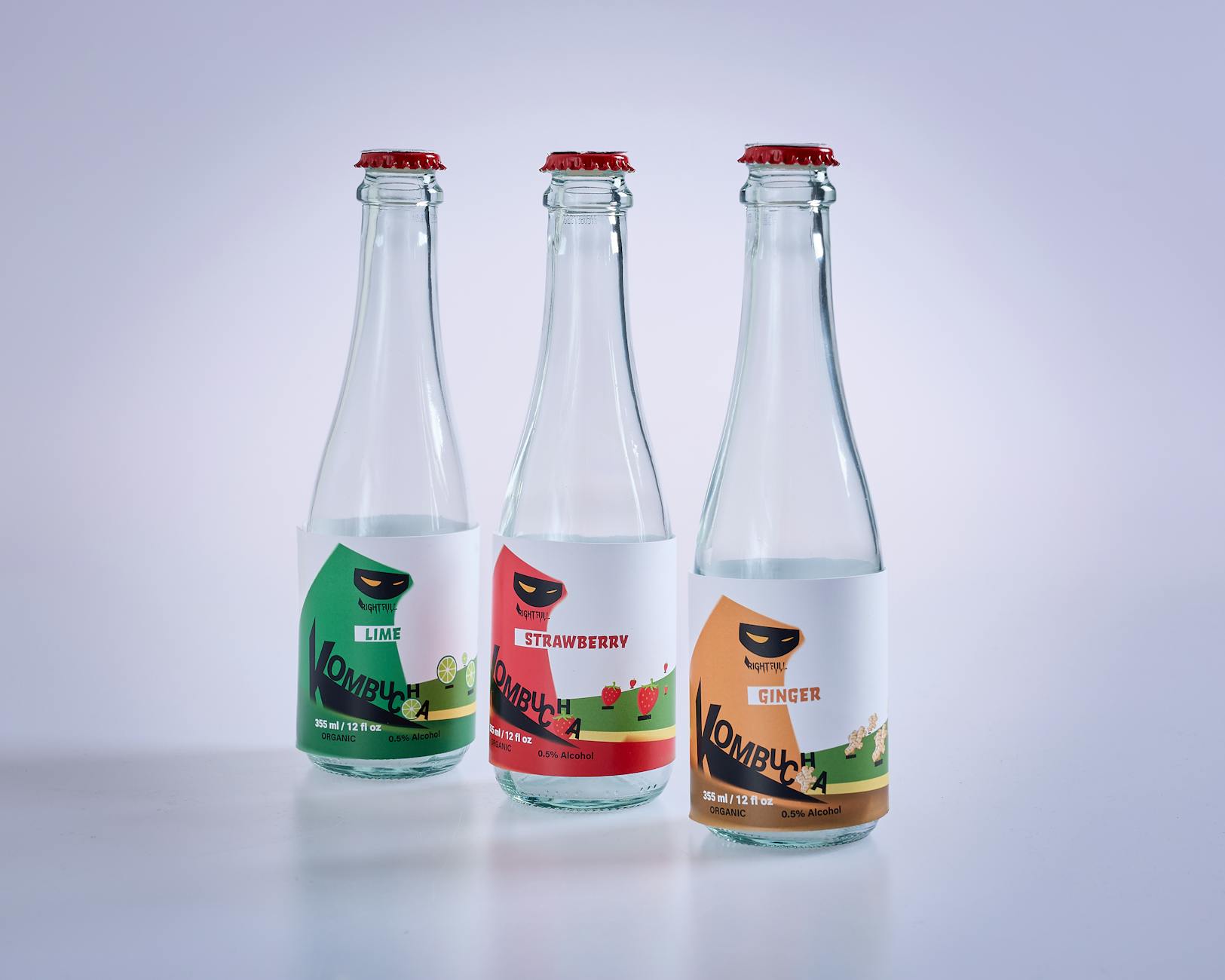
Here’s where things get interesting. Kombucha contains probiotics—live beneficial bacteria like Lactobacillus and Acetobacter species, plus beneficial yeasts. In my batch #47 from last month, lab testing showed approximately 1 billion CFU per 8-ounce serving after 10 days of fermentation. These living organisms can potentially colonize your gut temporarily and produce beneficial compounds like acetic acid, which helps regulate blood sugar.
Olipop takes the prebiotic approach instead. Each bottle contains 9 grams of dietary fiber from sources like chicory root inulin, Jerusalem artichoke, and cassava root fiber. Prebiotics are essentially food for the bacteria already living in your gut. They don’t add new microorganisms; they nourish your existing microbiome. Research published in a 2023 PubMed comparative review of fermented beverages found that both approaches can benefit gut health, but through entirely different mechanisms.
I personally notice faster digestive effects from kombucha—within an hour of drinking 8 ounces of a mature batch, I feel that characteristic gentle gut activity. With Olipop, the effects are subtler and build over days as the fiber does its work. If you’re wondering more about kombucha’s specific health mechanisms, I’ve written about whether kombucha is actually healthy with all the research details.
Sugar Content: The Numbers That Matter
This is where kombucha gets unfairly criticized. Yes, you start with 1 cup of sugar per gallon of tea when brewing. But here’s what happens during fermentation: the SCOBY consumes most of that sugar. My typical 10-day ferment reduces sugar from about 14g per cup down to 4-6g per cup—comparable to what’s in half an apple.
Commercial kombucha varies widely. GT’s Original has 2g sugar per 8oz. Health-Ade has 3-4g. Some flavored varieties creep up to 8-12g if they add fruit juice post-fermentation, which honestly defeats the purpose.
Olipop contains 2-5g of sugar depending on flavor—impressively low for something that tastes like craft soda. They use a combination of stevia, cassava syrup, and natural flavors to achieve sweetness without the sugar load. For someone transitioning off regular soda (which has 26-39g sugar per 12oz), this is genuinely helpful.
The catch? Kombucha’s remaining sugars are balanced by organic acids that slow glucose absorption. I’ve tested my blood sugar with a continuous glucose monitor after drinking my homebrewed kombucha versus after an Olipop, and kombucha caused essentially no spike—just a gentle 5-point rise. Olipop was similar but slightly higher, likely because the sweeteners still trigger some metabolic response even without actual sugar.
The Taste and Texture Experience
Let’s be real—these drinks appeal to completely different taste preferences. Kombucha is funky, tangy, slightly vinegary, and often has a hint of yeast character. The carbonation is natural and fine-bubbled, sometimes aggressive if you’ve let it second-ferment too long (batch #52, I’m looking at you—nearly painted my ceiling).
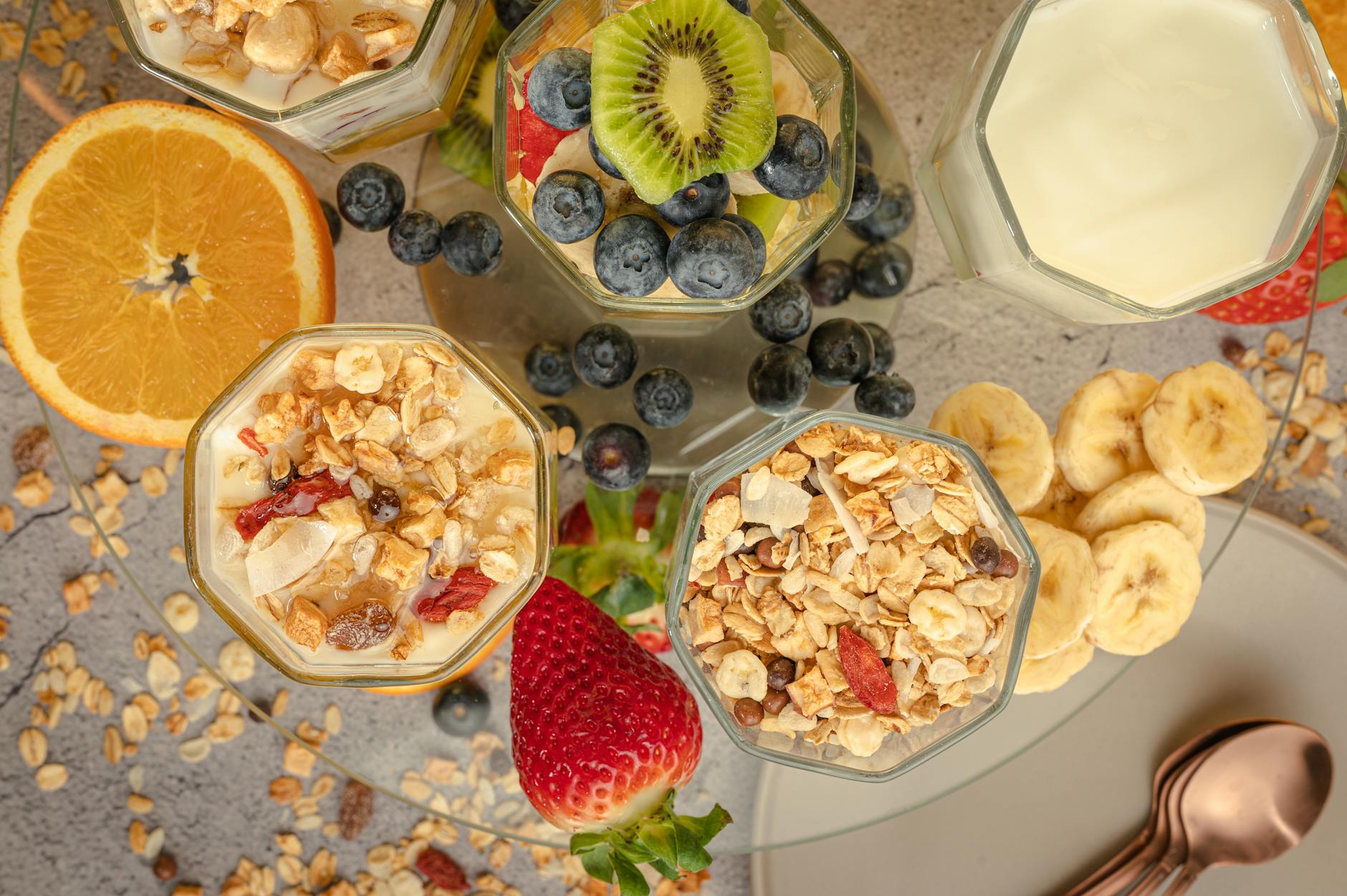
Olipop deliberately mimics conventional soda flavors—Vintage Cola, Orange Squeeze, Cherry Vanilla. The carbonation is forceful and soda-like, added during manufacturing. The sweetness is upfront and recognizable if you grew up drinking Coke or root beer. My wife, who hates the sour funk of kombucha, happily drinks Olipop as her afternoon treat.
If you’re trying to kick a soda habit, Olipop is psychologically easier. You get the ritual, the sweetness, the carbonation—just with functional benefits added. Kombucha asks you to develop a taste for sourness and accept some funk. It took me three weeks of daily drinking before I craved that tang.
Cost and Accessibility Reality Check
Olipop costs $2-3 per can at most retailers, sometimes less at Costco or Target during sales. It’s shelf-stable until opened, travels well, and requires zero preparation—you crack it open and drink it.
Commercial kombucha runs $3-5 per bottle at grocery stores. It must stay refrigerated, has a shorter shelf life, and develops more carbonation over time (I’ve had bottles explode after a week past their date). However, homebrewing changes the economics dramatically. I spend about $15 in tea and sugar to produce 2 gallons—roughly 16 servings—making my per-serving cost under $1. The time investment is real, though: 20 minutes every 10 days, plus the learning curve.
For more context on how kombucha stacks up against other probiotic sources in terms of value and effectiveness, check out my comparison of kombucha versus other probiotics.
Which One Should You Actually Choose?
After brewing 60+ batches and drinking my share of Olipop, here’s my honest assessment. Choose kombucha if you want live probiotics, enjoy fermented foods generally (kimchi, sauerkraut, yogurt), don’t mind some funkiness, and ideally are willing to homebrew for maximum benefit and economy. The research referenced in Healthline’s kombucha health overview suggests fermented beverages offer unique compounds like glucaric acid that formulated drinks cannot provide.
Choose Olipop if you’re replacing soda and need that familiar sweet taste, want consistent flavor every time without fermentation variability, prefer prebiotic fiber to live cultures, or simply can’t tolerate the sour-funky profile of kombucha. It’s legitimately useful as a harm-reduction strategy for people drinking multiple sodas daily.
Can you drink both? Absolutely. I brew kombucha for morning gut health and occasionally grab an Olipop when I want something sweet in the afternoon without the sugar crash. They’re not competitors—they’re different tools for different moments.
The “healthier” choice depends entirely on what your body needs. If your gut microbiome is depleted from antibiotics or poor diet, kombucha’s live cultures might help recolonization. If you’re constipated and need fiber, Olipop’s 9g of prebiotics will likely help more immediately. Neither is a magic bullet, but both can be part of a genuinely health-supporting routine.
Frequently Asked Questions
Q: Can I drink kombucha and Olipop together in the same day?
A: Yes, absolutely. They work through different mechanisms—kombucha provides probiotics while Olipop provides prebiotics and fiber—so they can complement each other. I sometimes have kombucha in the morning with breakfast and an Olipop as an afternoon pick-me-up. Just watch your total sugar intake across all beverages and foods, and stay hydrated since both can have mild diuretic effects.
Q: Does Olipop have any live probiotics at all?
A: No, Olipop does not contain live probiotic cultures. It’s a formulated beverage that’s pasteurized and shelf-stable, which would kill any live bacteria. The digestive benefits come entirely from the 9g of prebiotic fiber that feeds your existing gut bacteria. If you specifically want live cultures, kombucha, kefir, or probiotic supplements are better choices.
Q: Which has more caffeine, kombucha or Olipop?
A: Kombucha contains approximately 10-15mg of caffeine per 8oz serving because it’s made from tea (black or green). The fermentation process reduces but doesn’t eliminate the caffeine from the original tea leaves. Olipop contains zero caffeine—it’s made from botanical extracts, fiber sources, and natural flavors with no tea involved. If you’re sensitive to caffeine, especially in the evening, Olipop is the safer choice.
Q: Is homemade kombucha healthier than store-bought Olipop?
A: Homemade kombucha generally contains more live probiotic cultures (often 1-3 billion CFU per serving) compared to commercial kombucha, which can lose potency during shipping and storage. It also has less sugar since you control fermentation time—my 10-day batches typically have 4-6g sugar compared to Olipop’s 2-5g. However, Olipop provides more dietary fiber (9g vs essentially zero in kombucha). “Healthier” depends on whether you prioritize probiotics or fiber, but homemade kombucha does offer more control and typically fresher cultures.
Q: Can kombucha or Olipop help with weight loss?
A: Neither is a weight-loss drink specifically, but both can support weight management indirectly. Kombucha’s acetic acid may help regulate blood sugar and reduce sugar cravings—I definitely notice I want fewer sweets when I’m drinking it daily. Olipop’s 9g of fiber can increase satiety and help you feel fuller longer, potentially reducing overall calorie intake. The biggest benefit is substitution: if you’re replacing 150-calorie sodas with 25-50 calorie kombucha or Olipop, that 100-calorie daily deficit adds up to potential 10-pound annual weight loss. But neither drink burns fat on its own.
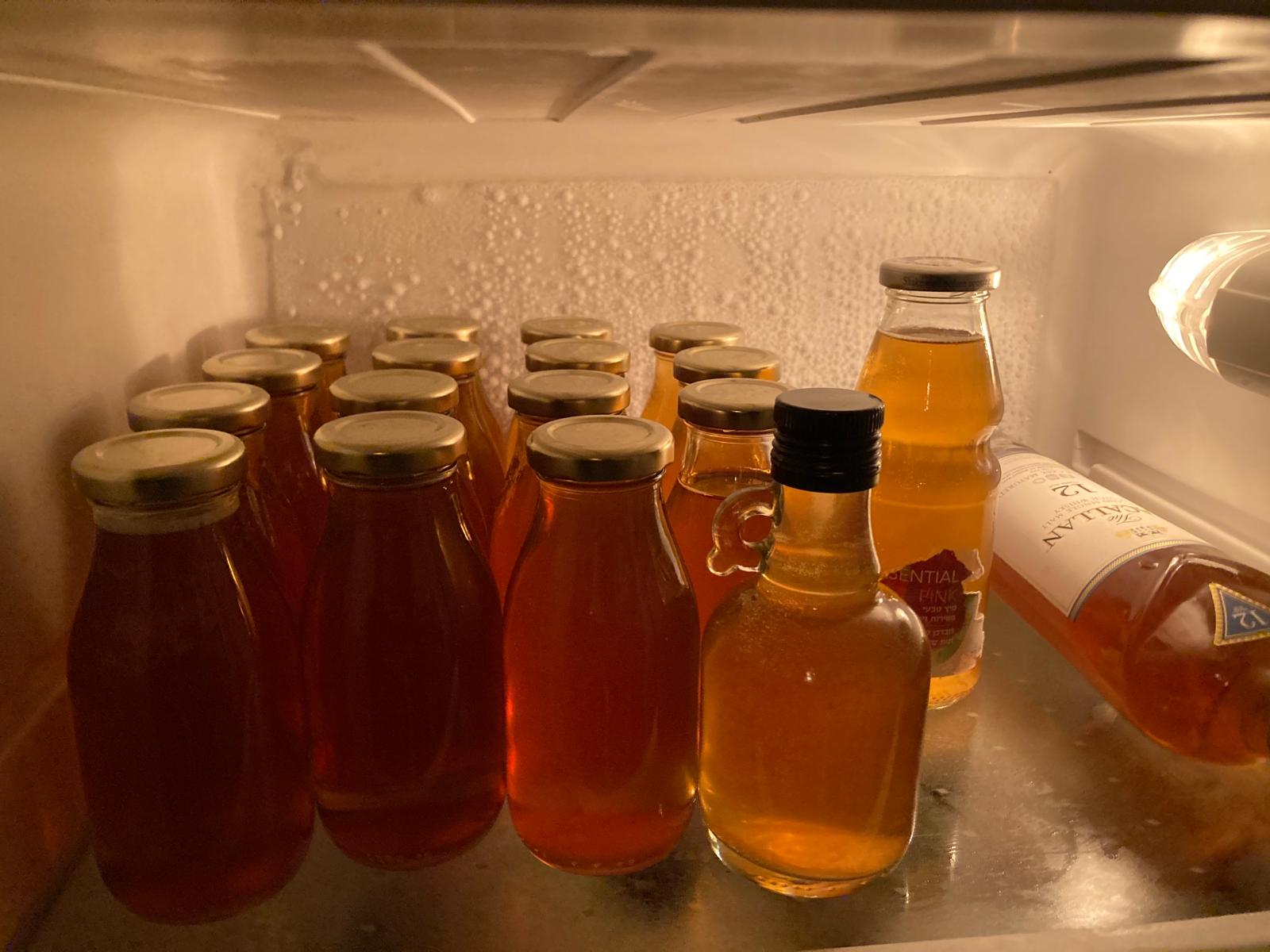
Home kombucha brewer based in Tel Aviv with 6+ years of experience and 500+ batches brewed. I started Kommbucha.com because the information online was scattered or just plain wrong — I wanted advice from someone who actually brews. My kombucha is sold at local Tel Aviv coffee shops and been gifted many times in Detroit, Michigan .