
✍️ Written & Updated by Ofir The Fermenter · 📅 June 3, 2026
Kombucha Contains About 8–15 mg of Caffeine Per 8 oz Serving
Most store-bought kombucha delivers between 8 and 15 milligrams of caffeine per 8-ounce serving. To put that in perspective, that’s significantly less than the 25–48 mg you’d get from the same amount of brewed tea, and nowhere near the 95 mg in an 8 oz cup of coffee.
I learned this the hard way during my batch #47 last summer. I’d been drinking kombucha at 9 PM thinking it was completely caffeine-free, then wondered why I was staring at the ceiling at midnight. After testing my black tea SCOBY brew with different fermentation times, I realized my 7-day ferments still had enough caffeine to affect my sleep when consumed late in the evening.
The caffeine in kombucha comes entirely from the tea leaves you use to brew the sweet tea base—there’s no caffeine in the sugar or the SCOBY itself. During fermentation, the bacteria and yeast consume some of the caffeine along with the sugar, which is why finished kombucha has less caffeine than the original tea you brewed.
Why Kombucha Has Less Caffeine Than Tea
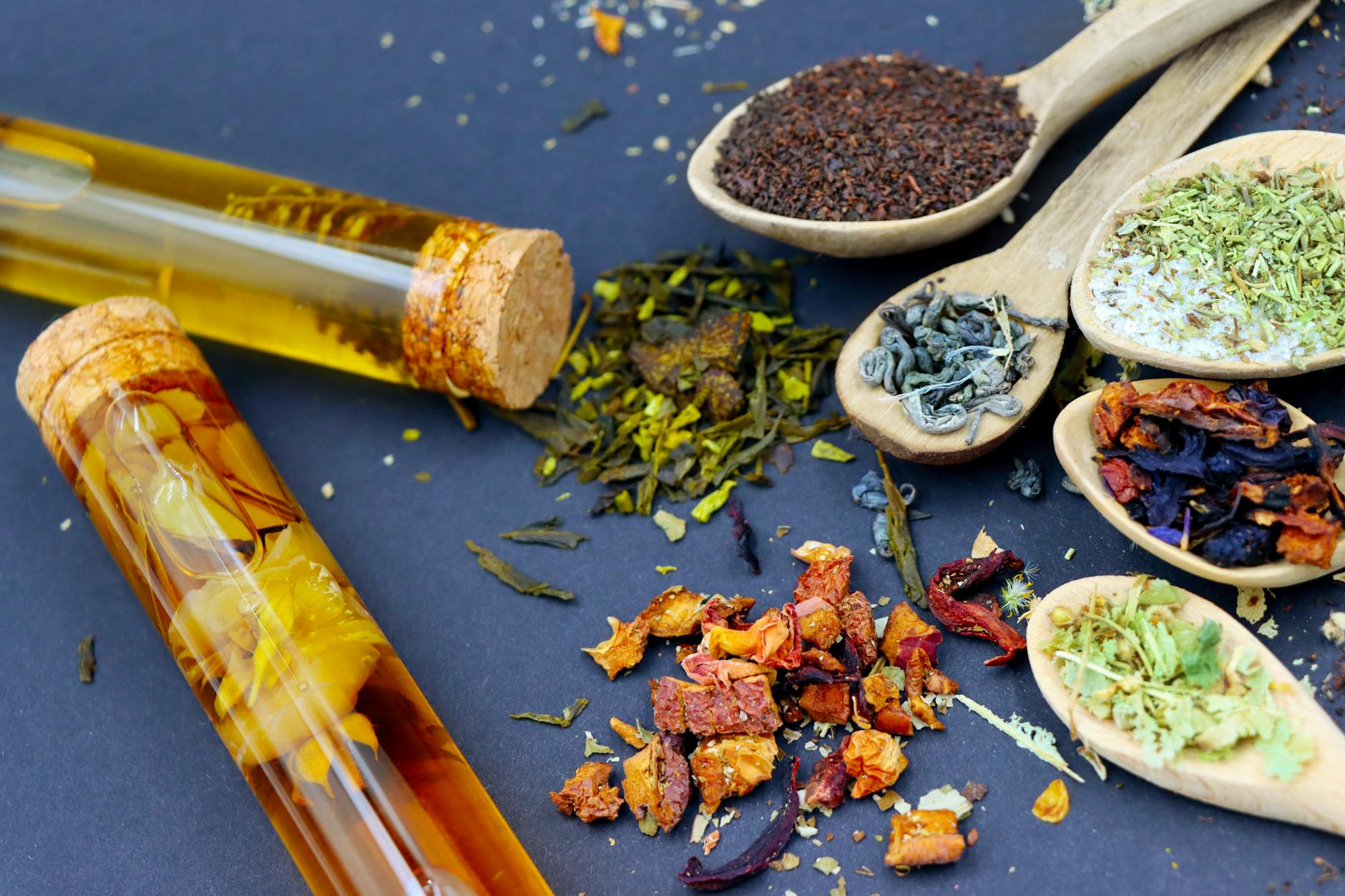
The fermentation process naturally reduces caffeine content through a fascinating biological mechanism. The microorganisms in your SCOBY—primarily various strains of bacteria like Acetobacter and Gluconacetobacter, along with yeasts—actually metabolize some of the caffeine molecules as they convert sugar into organic acids and carbon dioxide. This is the same fermentation process that makes kombucha a natural probiotic drink, packed with live bacterial cultures.
According to a peer-reviewed review on kombucha health properties (PubMed), the fermentation process can reduce caffeine content by approximately 25–30% compared to the original tea infusion. This means if you start with tea containing 40 mg of caffeine per cup, your finished kombucha might end up with around 28–30 mg after a week of fermentation.
The longer you ferment, the more caffeine gets metabolized. In my experience testing batches from day 5 through day 14, I noticed my 14-day ferments tasted noticeably less “buzzy” than my standard 7-day brews, though at that point the sourness was often too intense for my taste.
Different Tea Types Mean Different Caffeine Levels
Your choice of tea base dramatically affects your kombucha’s final caffeine content. Here’s what I’ve observed across dozens of batches:
- Black tea kombucha: typically contains 12–15 mg per 8 oz (started with ~40 mg before fermentation)
- Green tea kombucha: usually has 8–12 mg per 8 oz (started with ~25–30 mg)
- White tea kombucha: contains about 6–10 mg per 8 oz (started with ~15–20 mg)
- Oolong tea kombucha: falls somewhere between green and black at 10–13 mg per 8 oz
- Herbal tea kombucha: essentially caffeine-free if you use pure herbals without any Camellia sinensis
When I switched from my standard black tea blend to a green tea base for batch #52, I immediately noticed I could drink it later in the evening without affecting my sleep. The flavor was lighter and slightly sweeter too, which made sense given that green tea ferments a bit differently than black tea.
Can You Make Caffeine-Free Kombucha?
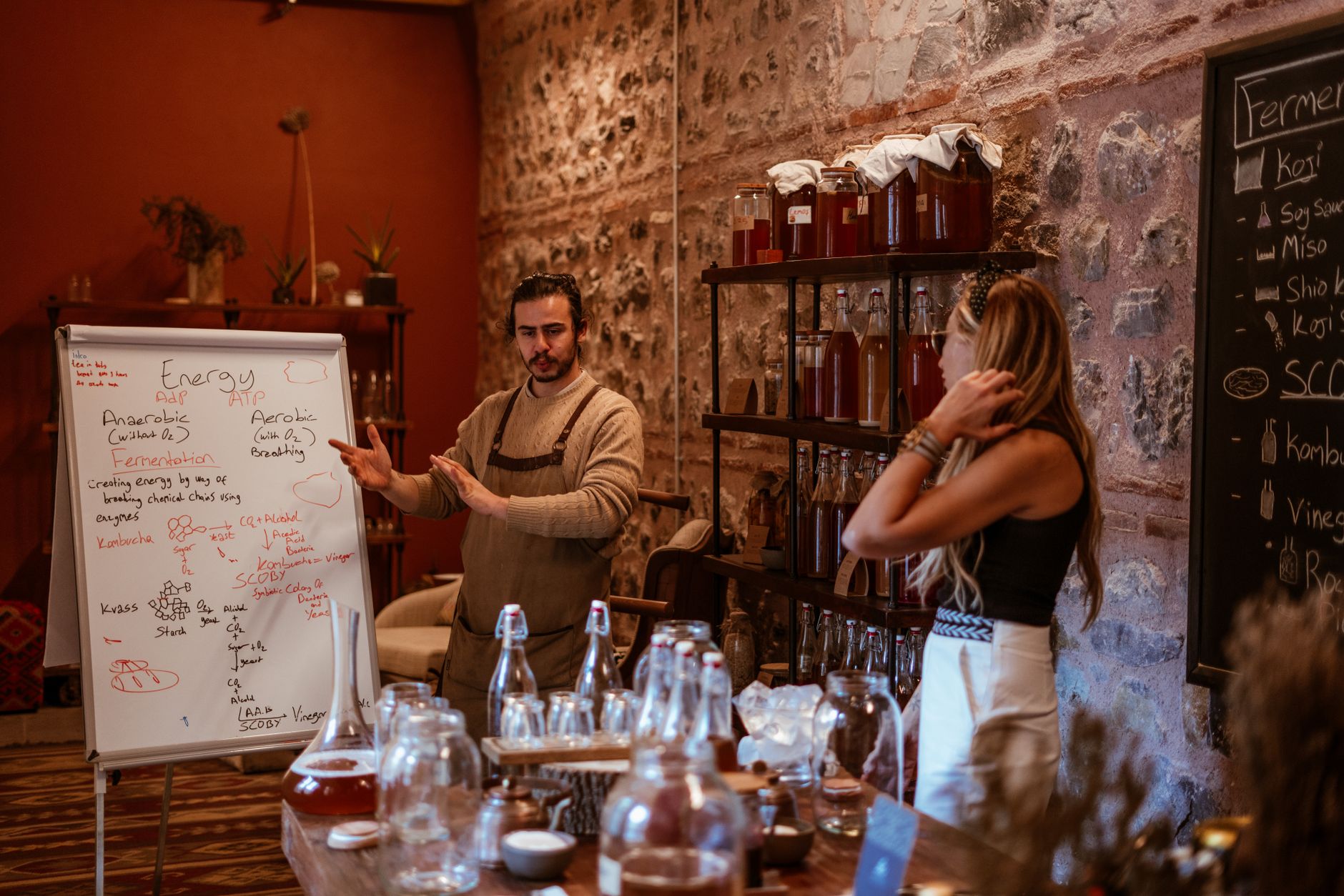
Technically yes, but there’s a catch. While you can brew kombucha using only herbal teas like rooibos, hibiscus, or chamomile, your SCOBY won’t thrive long-term without the nutrients found in true tea (Camellia sinensis). Real tea contains specific compounds—particularly nitrogen-containing substances—that feed the bacterial and yeast cultures.
My solution? I maintain a healthy SCOBY with regular black or green tea batches, but occasionally do a single “guest batch” with herbal tea using a SCOBY from my main hotel. This gives me a caffeine-free or very low-caffeine brew without compromising my culture’s health. After the herbal batch, that SCOBY goes back into the hotel for a regular tea feeding. If you want to keep multiple SCOBYs on hand for experimenting, our guide on how to brew kombucha at home covers the basics of managing your cultures and brew cycles.
Another option is mixing—say, 25% black tea and 75% herbal tea. This maintains enough nutrients for the SCOBY while significantly reducing caffeine content. The 2023 study on kombucha pharmacological activities (NIH) mentions that tea blends can alter both the nutritional profile and fermentation dynamics of the final beverage.
How Kombucha’s Caffeine Compares to Other Drinks
Let’s look at caffeine content across popular beverages (per 8 oz serving):
- Kombucha: 8–15 mg
- Decaf coffee: 2–5 mg
- Green tea: 25–30 mg
- Black tea: 40–48 mg
- Cola: 22–25 mg
- Energy drinks: 70–80 mg
- Coffee: 95–165 mg
This makes kombucha an excellent middle-ground beverage. It’s not completely caffeine-free, so you’ll get a gentle, subtle energy boost, but it won’t give you the jitters or crash that coffee sometimes causes. When I need an afternoon pick-me-up but don’t want to risk evening sleeplessness, kombucha hits the perfect sweet spot.
As explained in Healthline’s evidence-based guide to kombucha benefits, the relatively low caffeine content combined with kombucha’s probiotic properties and organic acids makes it a functional beverage that provides energy without over-stimulation.
Factors That Affect Your Kombucha’s Caffeine Content
Beyond just tea type, several brewing variables influence final caffeine levels:
Steeping time: The longer you steep your tea before adding the SCOBY, the more caffeine extracts into the water. I steep for exactly 7 minutes with black tea, which gives a strong but not overpowering caffeine base.
Fermentation duration: Longer ferments mean more caffeine degradation. My 5-day ferments are noticeably more caffeinated than my 10-day batches, though the flavor differences are significant too.
Temperature: Warmer fermentation temperatures (75–85°F) speed up microbial activity, which may increase caffeine metabolism rates compared to cooler ferments.
Tea quantity: Using more tea leaves per gallon obviously increases starting caffeine levels. I use 8 tea bags or 2 tablespoons loose leaf per gallon, which is fairly standard.
Second fermentation: The bottled F2 stage continues fermenting and may reduce caffeine slightly further, though the difference is minimal since most sugar has already been consumed.
Is Kombucha’s Caffeine a Health Concern?
For most people, kombucha’s caffeine content is beneficial rather than problematic. The modest 8–15 mg per serving provides a gentle energy lift and may enhance mental clarity without causing anxiety or sleep disruption when consumed earlier in the day.
However, if you’re particularly caffeine-sensitive, pregnant, or avoiding caffeine for medical reasons, even kombucha’s low levels might matter. Worth noting: kombucha also contains a small amount of alcohol from fermentation — typically 0.5–1% ABV — which is another factor to consider alongside caffeine if you’re sensitive or pregnant. You can read more about that in our detailed breakdown of kombucha’s alcohol content.
The good news is that kombucha’s caffeine content is remarkably consistent across commercial brands since they follow standardized brewing protocols. When you find a brand and flavor you tolerate well, you can generally trust it’ll have similar caffeine levels bottle to bottle.
Want to learn more about kombucha’s overall health profile? Check out our comprehensive guide on is kombucha healthy for a deep dive into the science behind this fermented tea.
Tips for Controlling Caffeine in Your Homebrew
If you’re brewing at home and want to fine-tune caffeine levels, here’s what works for me:
Choose your tea strategically: Start with green or white tea instead of black if you want lower caffeine. I keep separate SCOBY hotels for my black tea and green tea cultures now.
Extend fermentation: Let your brew go 10–14 days instead of the standard 7. You’ll get a tangier, more vinegary kombucha with slightly less caffeine. I personally find day 9 hits the perfect balance of tartness and reduced caffeine.
Try decaf tea occasionally: While not ideal for long-term SCOBY health, a single batch with decaf tea won’t harm your culture and produces an almost caffeine-free kombucha. I’ve done this successfully when preparing kombucha for an evening event.
Dilute your kombucha: Mix finished kombucha with sparkling water or juice to reduce caffeine per serving. I do 50/50 kombucha-to-sparkling-water sometimes when I want the probiotic benefits without any caffeine effect.
Track your brewing: Keep notes on tea type, steep time, and fermentation duration for each batch. After about 10 batches, you’ll have clear data on which variables produce the caffeine level you prefer.
Frequently Asked Questions
Q: Does homemade kombucha have more caffeine than store-bought?
A: Homemade kombucha can vary more widely in caffeine content depending on your tea choices and fermentation time, but it’s not necessarily higher or lower than commercial versions. Store-bought kombucha typically contains 8–15 mg per 8 oz because manufacturers use consistent recipes and controlled fermentation periods. When I brew at home, I’ve measured anywhere from 6 mg (green tea, 12-day ferment) to 18 mg (strong black tea, 5-day ferment) in my batches. If you want consistency, stick to the same recipe and timeline each brew cycle.
Q: Will kombucha keep me awake like coffee does?
A: Unlikely. With only 8–15 mg of caffeine per serving compared to coffee’s 95+ mg, kombucha provides a much gentler energy boost without the jitters or sleep disruption coffee can cause. That said, individual sensitivity varies—I can drink kombucha at 7 PM without issue, but my sister cuts herself off by 4 PM to ensure good sleep. If you’re extremely caffeine-sensitive, you might notice a subtle effect, especially if you drink multiple servings in the evening.
Q: Does flavoring kombucha with fruit affect caffeine content?
A: No, adding fruit, juice, or herbs during second fermentation doesn’t change the caffeine content that’s already present from your tea base. The caffeine level is determined entirely by your initial tea choice and first fermentation. I regularly add ginger, berries, and citrus to my bottles during F2, and while these additions dramatically change flavor and can increase carbonation, they don’t touch the caffeine that was extracted from the tea leaves during brewing.
Q: Can children drink kombucha despite the caffeine?
A: The low caffeine content isn’t typically the primary concern with kids and kombucha—the trace alcohol from fermentation (usually 0.5–1%) is what most parents consider first. That said, 8–15 mg of caffeine is less than a cup of hot chocolate (around 5–10 mg) or a small serving of chocolate milk, so caffeine levels alone aren’t prohibitive for older children. I personally wouldn’t give kombucha to kids under 4, but that’s more about the acids and alcohol traces than caffeine. For older kids, a few ounces diluted with water is generally fine, though you know your child’s sensitivity best.
Q: Does the SCOBY itself contain caffeine?
A: The SCOBY absorbs trace amounts of caffeine from the tea during fermentation, but the concentration is minimal. Think of the SCOBY like a sponge soaking in your sweet tea—it takes on whatever’s in the liquid, including tiny amounts of caffeine. However, since most people don’t eat their SCOBYs (though some do make SCOBY jerky or dog treats), this isn’t a practical source of caffeine consumption. The vast majority of caffeine remains dissolved in the liquid kombucha itself.
Home kombucha brewer based in Tel Aviv with 6+ years of experience and 500+ batches brewed. I started Kommbucha.com because the information online was scattered or just plain wrong — I wanted advice from someone who actually brews. My kombucha is sold at local Tel Aviv coffee shops and been gifted many times in Detroit, Michigan .