
✍️ Written & Updated by Ofir The Fermenter · 📅 June 30, 2026
Kombucha Mocktails: 4 Easy Recipes for Alcohol-Free Entertaining
I still remember the first kombucha mocktail I made for a friend’s birthday party last summer. She’d recently stopped drinking, and I wanted something that felt special—not just sparkling water with a lemon wedge. I mixed my ginger kombucha with muddled basil, fresh lime juice, and a dash of aromatic bitters. The look on her face when she tasted it? Pure joy. She said it was the first “fancy drink” she’d actually enjoyed since going alcohol-free.
That moment taught me something important: kombucha mocktails aren’t just trendy drinks. They’re bridges for people navigating social situations where everyone else has a cocktail in hand. The natural complexity of fermented tea—the tang, the bubbles, the slight funkiness—gives these drinks a sophistication that regular sodas or juices simply can’t match.
Why Kombucha Makes Better Mocktails Than Regular Mixers
Kombucha works brilliantly in mocktails because of its unique fermentation profile. During the brewing process, the SCOBY converts sugar into beneficial acids that create tartness similar to the bite you’d get from spirits, while the natural carbonation provides that celebratory fizz we associate with special drinks.
When I switched from using plain club soda to kombucha in my mocktails, the difference was immediately obvious. The depth of flavor meant I needed fewer additional ingredients. According to peer-reviewed research on kombucha bioactive compounds (NIH), fermentation byproducts contribute not just flavor but also potential health benefits—though I’m mainly interested in how they make my drinks taste incredible.
Classic Kombucha Mojito Mocktail
This is my go-to recipe when someone asks me to “make that kombucha drink.” It’s refreshing, herbaceous, and ridiculously easy.
Ingredients:
– 6 oz plain or ginger kombucha (chilled)
– 8-10 fresh mint leaves
– 1 oz fresh lime juice (about half a lime)
– 1 tsp maple syrup or agave (optional, for sweetness)
– Lime wheel and mint sprig for garnish
– Crushed ice
Method: Gently muddle mint leaves in the bottom of your glass—don’t destroy them, just bruise them enough to release oils. Add lime juice and sweetener if using. Fill glass with crushed ice, pour kombucha over slowly to preserve carbonation, and stir gently. Garnish with a lime wheel and fresh mint sprig. The key is using a kombucha that’s not overly sweet—you want that fermented tang to balance the mint and lime.
Spicy Grapefruit Kombucha Paloma
After experimenting with various kombucha batches, I discovered that tart, slightly bitter fruit flavors make incredible Paloma-style mocktails. The grapefruit and kombucha combination is unbeatable.
Ingredients:
– 4 oz grapefruit kombucha or plain kombucha
– 2 oz fresh grapefruit juice
– ½ oz fresh lime juice
– 2-3 thin jalapeño slices (remove seeds for less heat)
– Pinch of sea salt
– Tajín or chili-lime salt for rim
Method: Rim your glass with lime juice and dip in Tajín. Muddle jalapeño slices gently in the glass. Add both citrus juices and a pinch of salt, fill with ice, then top with kombucha. Stir once and garnish with a grapefruit wedge. The capsaicin from jalapeño creates a warming sensation similar to the alcohol burn in traditional cocktails, while the salt enhances all the other flavors.
Berry Basil Kombucha Smash
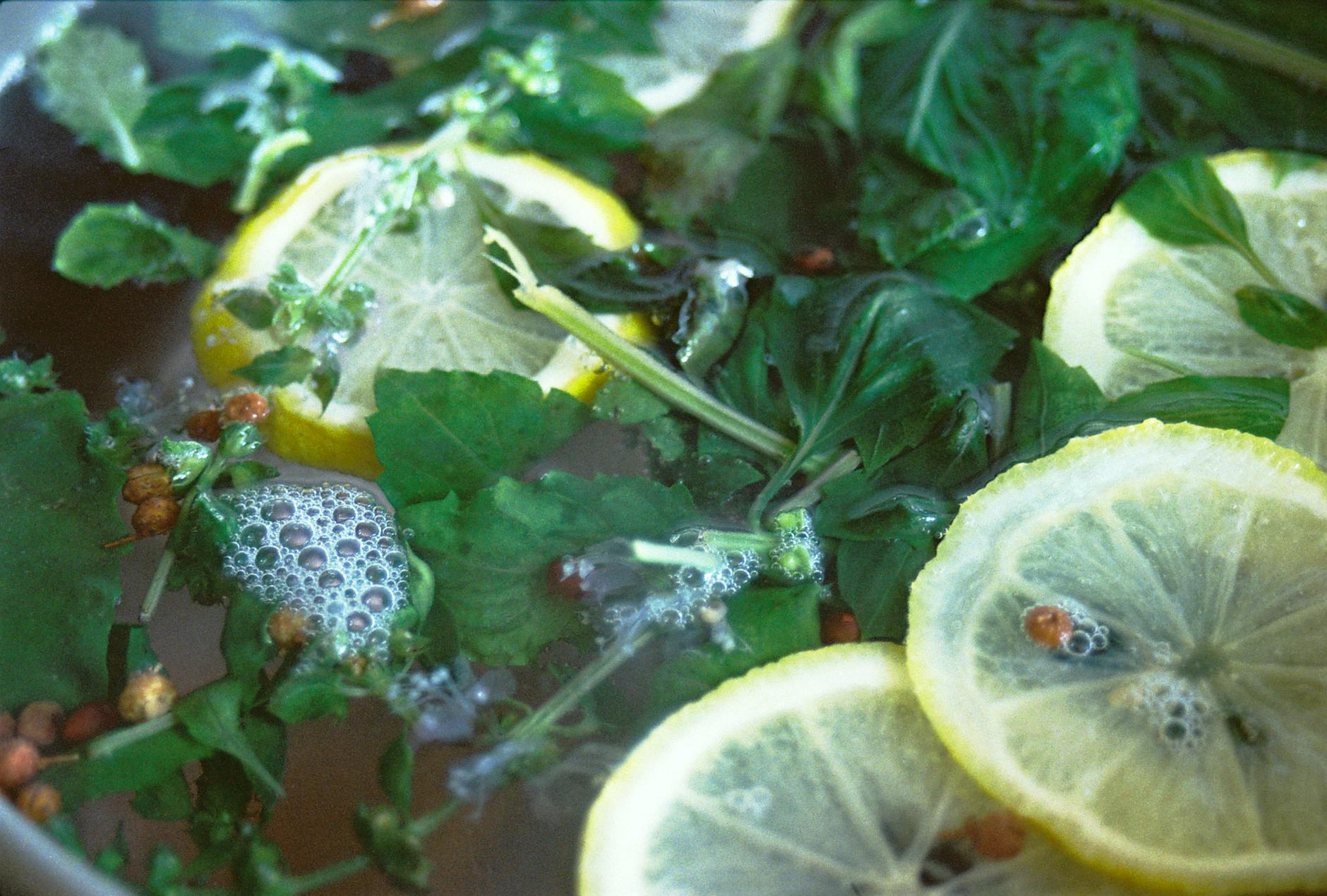
This one’s perfect for summer gatherings. I made it for a backyard barbecue last July, and three people asked for the recipe before the evening ended.
Ingredients:
– 6 oz berry-flavored kombucha (or plain with added berries)
– 5-6 fresh raspberries or blackberries
– 3-4 basil leaves
– ½ oz lemon juice
– ½ oz honey syrup (equal parts honey and warm water, mixed)
– Fresh berries and basil for garnish
Method: Muddle berries and basil together in a shaker or sturdy glass until berries break down. Add lemon juice and honey syrup. If you have a cocktail shaker, add ice and shake for 10 seconds, then strain into glass over fresh ice. If not, just strain into an ice-filled glass. Top with kombucha and garnish. The anthocyanins in berries provide gorgeous color and complement the polyphenols already present in the tea base.
Golden Hour Turmeric Kombucha Tonic
This is what I drink when I want something sophisticated but also genuinely good for me. The earthy complexity works surprisingly well in a cocktail-style format.
Ingredients:
– 5 oz ginger kombucha
– 1 oz fresh orange juice
– ½ tsp fresh turmeric juice (or ¼ tsp ground turmeric)
– Small pinch of black pepper (activates turmeric’s curcumin)
– 2 dashes aromatic bitters (most are alcohol-based but such small amounts they’re considered non-alcoholic)
– Orange twist for garnish
Method: In a glass, combine orange juice, turmeric, and black pepper. Add a few ice cubes, then kombucha and bitters. Stir gently to combine. Express an orange twist over the drink (squeeze it skin-side down to release oils) and drop it in. This drink looks stunning—golden and glowing—and the curcumin from turmeric adds anti-inflammatory properties alongside the beneficial acids from fermentation.
Tips for Making Better Kombucha Mocktails
After making dozens of variations over the past two years, I’ve learned some non-negotiable rules.
**First, always add kombucha last** and pour it slowly down the side of the glass. Vigorous pouring kills carbonation, and flat kombucha loses half its appeal.
**Second, taste your base kombucha before mixing.** If it’s already very sweet (like some commercial brands), skip additional sweeteners or your drink will taste cloying.
**Third, temperature matters.** Always chill your kombucha in the fridge for at least four hours before using it in mocktails. Room-temperature kombucha mixed with ice creates dilution problems.
**Fourth, don’t be afraid of bitters.** Yes, they’re technically alcohol-based, but the amounts used (2-3 dashes) contain less alcohol than a ripe banana. They add incredible depth and that “grown-up drink” complexity.
**Finally, match your kombucha flavor profiles to your other ingredients.** Ginger kombucha pairs with citrus and spice. Fruit-flavored kombuchas work with herbs. Plain kombucha is your blank canvas for bolder ingredients like jalapeño or turmeric.
The Sober Curious Movement and Kombucha Culture
The overlap between kombucha enthusiasts and the sober-curious community isn’t accidental. Both movements prioritize intentionality—choosing what you consume based on how it makes you feel rather than social pressure or habit.
The ritual matters too. Making a kombucha mocktail takes the same time and attention as mixing a cocktail. You’re not just grabbing a can from the fridge. You’re muddling, garnishing, choosing glassware. That intentionality transforms drinking from a passive act into something mindful. Plus, instead of a hangover, you wake up with potential probiotic benefits from the live cultures in raw kombucha—though I’ll admit I drink it primarily because it tastes amazing.
Hosting a Kombucha Mocktail Party
Last month, I hosted what I called a “Kombucha Cocktail Hour” for eight friends. I set up a DIY mocktail bar with three different kombucha flavors (plain, ginger, and berry), fresh herbs in small vases, citrus wheels, various bitters, simple syrups, and printed recipe cards for four signature drinks.
The setup cost less than buying two bottles of decent wine, and everyone left with new recipe ideas. If you’re planning something similar, I’d recommend having plenty of ice—you’ll go through more than you expect—and using clear glassware so people can see the beautiful colors of their drinks. Also, provide small tasting cups so guests can sample base kombuchas before committing to a full mocktail.
Frequently Asked Questions
Q: Does kombucha in mocktails contain alcohol?
A: Commercial kombucha contains trace amounts of alcohol (typically 0.5% or less) from the fermentation process, similar to the amount in ripe fruit or fresh bread. This is far below the legal threshold for alcoholic beverages. However, if you’re in recovery or avoiding alcohol for medical or religious reasons, check labels carefully—some brands have higher levels. For truly zero-alcohol options, look for specially processed non-alcoholic kombuchas, though they’re less common.
Q: Can I make kombucha mocktails ahead of time for parties?
A: You can prep most ingredients ahead, but don’t add the kombucha until serving time. Muddle herbs and fruits, mix juices and syrups, and store them in the fridge in mason jars for up to 4 hours before guests arrive. Then add kombucha and ice right before serving. If you pre-mix everything including kombucha, it’ll go flat within 30-60 minutes. For large gatherings, set up a simple assembly line where guests add their premixed base to a glass, then top with fresh kombucha from bottles kept on ice.
Q: What’s the best store-bought kombucha for mocktails?
A: Look for raw, unpasteurized kombucha with minimal added sweeteners—brands that list sugar content under 4-6 grams per serving work best. Plain or ginger flavors are most versatile. The kombucha should taste noticeably tart and slightly vinegary when sipped alone. Avoid kombuchas marketed as “extra sweet” or with fruit juice as the second ingredient—they’ll make your mocktails taste like soda rather than sophisticated drinks.
Q: How do I keep my kombucha mocktails from going flat quickly?
A: Carbonation preservation is all about technique. First, chill everything beforehand. Add kombucha last, pouring slowly down the inside of the glass rather than directly onto ice. Use fewer ice cubes or larger ice spheres, which melt slower than crushed ice. Don’t stir more than once or twice. The single most important tip: serve immediately after mixing.
Q: Can I use flavored kombucha or should I stick to plain?
A: Both work beautifully, but they serve different purposes. Plain kombucha is your blank canvas—you control all the flavors you’re adding. Flavored kombucha can either enhance your mocktail or create interesting complexity, but you need to taste-test first to ensure flavors complement rather than compete. Keep both in your fridge: use plain for creative recipes, and flavored kombuchas for quick, simple drinks.
Home kombucha brewer based in Tel Aviv with 6+ years of experience and 500+ batches brewed. I started Kommbucha.com because the information online was scattered or just plain wrong — I wanted advice from someone who actually brews. My kombucha is sold at local Tel Aviv coffee shops and been gifted many times in Detroit, Michigan .