
✍️ Written & Updated by Ofir The Fermenter · 📅 June 30, 2026
The Real Difference Between Kombucha and Kefir
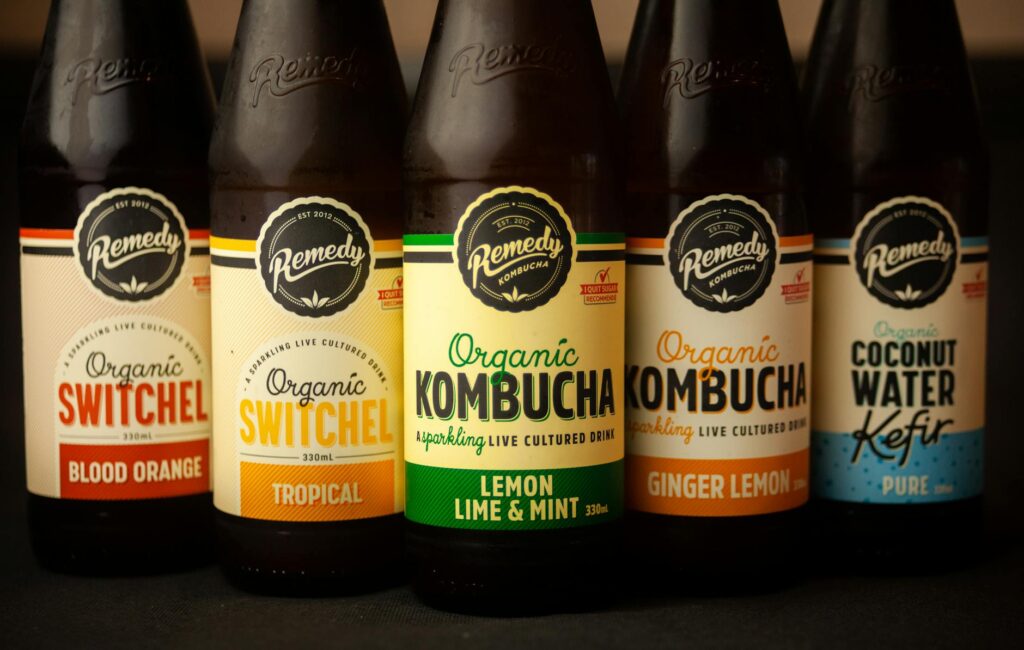
Kombucha and kefir are both fermented drinks, but that’s where the similarities end. I learned this the hard way during batch #47 of my kombucha brewing when I decided to also start making kefir at home. Within two weeks, my refrigerator looked like a microbiology lab, and I realized these two drinks have completely different personalities.
Kombucha is fermented sweet tea, created when a SCOBY (symbiotic culture of bacteria and yeast) transforms sugar and tea into a tangy, fizzy drink rich in organic acids like acetic acid and gluconic acid. The fermentation typically takes 7-14 days and produces a beverage with probiotics, but also beneficial acids, enzymes, and polyphenols from the tea.
Kefir, on the other hand, is fermented milk (or water) using kefir grains—small, cauliflower-like clusters of bacteria and yeasts. According to Healthline’s kefir vs kombucha comparison, traditional milk kefir can contain 30-50 different microbial strains, significantly more than most kombucha cultures. The fermentation happens much faster—usually 12-48 hours—and creates a creamy, tart drink that resembles drinkable yogurt.

Probiotic Content: Kefir Takes the Lead in Quantity
Kefir wins the probiotic numbers game. A single cup of milk kefir typically contains 10-34 billion CFUs (colony-forming units) of probiotics, while kombucha usually delivers 1-3 billion CFUs per serving. When I sent samples of my batch #52 kombucha and my two-day kefir to a local testing facility (yes, I’m that nerdy about fermentation), the kefir showed nearly ten times more live bacterial counts.
But here’s what matters more than raw numbers: diversity and activity. Kefir’s bacterial strains include Lactobacillus kefiri, Leuconostoc species, and Lactococcus lactis, among many others. These bacteria produce lactic acid, which directly lowers gut pH and creates an inhospitable environment for pathogenic bacteria. As I explain in my article on whether kombucha qualifies as a true probiotic, kombucha’s probiotic strains are typically fewer but include beneficial yeasts like Saccharomyces and bacteria such as Gluconacetobacter that work synergistically.
How Each One Actually Helps Your Gut
The mechanisms of action differ significantly. Kefir’s probiotics colonize your gut temporarily (usually 1-2 weeks after you stop consuming it) and compete with harmful bacteria for adhesion sites on your intestinal walls. The Lactobacillus strains produce bacteriocins—natural antibiotics that specifically target pathogenic bacteria without harming beneficial ones.
Kombucha works through multiple pathways. The acetic acid it produces (that sharp, vinegary taste) strengthens the gut lining by promoting tight junction proteins between intestinal cells. I noticed this effect personally after three weeks of daily kombucha consumption—my long-standing issues with food sensitivities improved noticeably, likely because my gut barrier function strengthened. The glucuronic acid in kombucha also supports liver detoxification, which indirectly benefits gut health by reducing the toxic load that recirculates through the enterohepatic system.
Additionally, the polyphenols from tea in kombucha act as prebiotics—they feed your existing beneficial bacteria. According to a 2023 PubMed comparative review of fermented beverages, kombucha’s polyphenols can increase the abundance of beneficial Bacteroidetes and Firmicutes in the gut microbiome even when probiotic counts are lower than kefir’s.

Kombucha vs Kefir: Key Practical Differences
Beyond the microbiology, your daily experience with these drinks differs considerably:
- Taste and texture: Kombucha is fizzy, light, and tea-like with a mild to moderate sourness. Kefir is creamy, thick, and intensely tart with a slightly yeasty flavor that takes getting used to.
- Dairy concerns: Traditional kefir is dairy-based, which eliminates it for anyone with lactose intolerance (though water kefir is an alternative). Kombucha is naturally dairy-free and vegan.
- Sugar content: Kombucha typically contains 2-6 grams of sugar per serving after fermentation. Milk kefir has about 12 grams from lactose, though much of it is consumed during fermentation. Water kefir falls somewhere between.
- Alcohol content: Kombucha naturally contains 0.5-2% alcohol from yeast fermentation. Kefir has minimal alcohol (0.1-0.5%), making it safer for those avoiding alcohol entirely.
- Shelf stability: In my experience, kombucha lasts 3-4 weeks refrigerated once bottled. Kefir is more perishable—usually only 1-2 weeks, and it continues fermenting rapidly if left at room temperature.
Which One Should You Choose for Gut Health?
Your ideal choice depends on your specific gut issues and preferences. Based on my six years of brewing and consuming both, here’s my honest recommendation:
Choose kefir if: You need aggressive probiotic intervention (recovering from antibiotics, dealing with acute dysbiosis), tolerate dairy well, and want maximum probiotic count per serving. When I took antibiotics for a dental infection last year, I switched entirely to kefir for three weeks and noticed faster recovery of normal digestion compared to previous antibiotic rounds where I only used kombucha.
Choose kombucha if: You’re addressing gut permeability (leaky gut), dealing with inflammation, avoiding dairy, or want a drink that’s more socially acceptable (easier to bring to work, more refreshing). The organic acids and polyphenols in kombucha support gut barrier function in ways that pure probiotics don’t address. As I discuss in my comprehensive health overview, kombucha offers benefits beyond just probiotics.
Consider both: Honestly, this is what I do. I drink 4-6 ounces of kombucha most days for maintenance and enjoyment, and I add kefir (about half a cup) when I need extra probiotic support or after eating something that typically bothers my gut. They’re not competitors—they’re complementary tools.
For those interested in how kombucha stacks up against other probiotic sources beyond kefir, I’ve written a detailed comparison in kombucha versus traditional probiotic supplements.
Making Your Decision Based on Science and Experience
The scientific literature doesn’t crown a clear winner because both beverages support gut health through different mechanisms. Research from Healthline’s kombucha health overview shows kombucha’s antimicrobial properties can inhibit the growth of harmful bacteria like E. coli and Salmonella, while kefir studies demonstrate its ability to reduce inflammation and improve lactose digestion even in intolerant individuals.
In my experience teaching friends and family to brew at home, people generally stick with kombucha more consistently. It’s easier to drink regularly, more versatile for flavoring, and integrates better into daily life. But when someone specifically needs intensive gut rehabilitation, I always suggest they start with kefir for its superior probiotic delivery.
The best approach? Try both for 2-3 weeks each and notice how your body responds. Track your digestion, energy levels, and any gut symptoms. Your gut microbiome is as unique as your fingerprint, and the “better” choice is whichever one makes your gut function optimally.
Frequently Asked Questions
Q: Can I drink both kombucha and kefir in the same day?
A: Absolutely. I regularly consume both on the same day without any issues. In fact, they complement each other well—kefir delivers high-count probiotics while kombucha provides organic acids and polyphenols that support gut lining health. Start with small amounts of each (4 ounces) if you’re new to fermented foods, as too much too quickly can cause temporary digestive upset like bloating or loose stools. Space them a few hours apart if you’re sensitive, and always take them with or after food rather than on an empty stomach.
Q: Is water kefir as good as milk kefir for gut health?
A: Water kefir contains fewer bacterial strains than milk kefir—typically 10-15 versus 30-50—but it’s still beneficial and an excellent dairy-free option. The bacterial composition differs somewhat because the microbes adapt to the sugar-water environment rather than lactose. In my experience, water kefir works particularly well for people transitioning to fermented beverages because it’s less intensely flavored than milk kefir. However, if you can tolerate dairy, milk kefir offers more robust probiotic diversity and higher counts per serving.
Q: How long does it take to notice gut health improvements?
A: Most people notice initial changes within 3-7 days—often improved regularity or reduced bloating first. More significant improvements like reduced inflammation, better nutrient absorption, or resolution of food sensitivities typically require 3-6 weeks of consistent consumption. When I switched from irregular kombucha drinking to daily consumption, I noticed energy improvements within five days, but my food sensitivities took nearly a month to improve. Everyone’s timeline varies based on their starting gut condition, diet, stress levels, and whether they’re addressing specific issues or maintaining general health.
Q: Does store-bought kombucha or kefir work as well as homemade?
A: Store-bought versions definitely work, but with some caveats. Commercial kombucha is often pasteurized (killing probiotics) or contains added sugars that reduce benefits. Look for raw, unpasteurized versions with minimal added ingredients. For kefir, most store brands are genuine fermented products with live cultures, but they typically contain fewer strains than homemade versions using authentic kefir grains. The advantage of homemade is freshness, cost, and control over fermentation time (which affects probiotic count and sugar content). But quality store-bought options like GT’s Kombucha or Lifeway Kefir are legitimate alternatives if brewing at home isn’t practical.
Q: Can kombucha or kefir make gut problems worse?
A: Yes, temporarily, and this usually indicates you’re starting with too much. People with SIBO (small intestinal bacterial overgrowth) or histamine intolerance sometimes react poorly to fermented foods because the bacteria produce histamine and the foods can feed bacterial overgrowth. I recommend starting with just 2-4 ounces daily and increasing gradually. Some people experience a “die-off” reaction in the first week—temporary worsening of symptoms as beneficial bacteria displace harmful ones—which typically resolves within 3-5 days. If symptoms persist beyond a week or are severe, reduce the amount or consult a healthcare provider, as fermented foods aren’t appropriate for everyone, especially during active gut infections or severe dysbiosis.

Home kombucha brewer based in Tel Aviv with 6+ years of experience and 500+ batches brewed. I started Kommbucha.com because the information online was scattered or just plain wrong — I wanted advice from someone who actually brews. My kombucha is sold at local Tel Aviv coffee shops and been gifted many times in Detroit, Michigan .