
✍️ Written & Updated by Ofir The Fermenter · 📅 October 6, 2026
Here’s something I get asked about constantly: do you actually need that rubbery disc floating in your jar to make good kombucha? The short answer is no. But the longer answer is worth understanding, because it changes how you brew.
The SCOBY Isn’t What You Think It Is
Most people believe the thick, white rubbery layer floating on top is the SCOBY. That layer is actually called a pellicle.
The actual SCOBY, which stands for symbiotic culture of bacteria and yeast, lives primarily in the liquid itself. The starter tea you add to a new batch carries the active culture.
The SCOBY is just a byproduct of fermentation. The real magic lives in the liquid starter tea, which contains all the active cultures needed.
This is why you can brew kombucha without adding a pellicle at all. If your starter liquid is strong and acidic enough, a new pellicle will form naturally within a few days.
How Fermentation Actually Works
The yeast turns initial sugar into ethanol and carbon dioxide, while bacteria turn the ethanol into acetic acid. That acetic acid is the tang you taste.
Osmophilic yeasts break down sucrose to glucose and fructose during fermentation, while acetic acid bacteria produce cellulose, acetic acid, and other organic acids. The cellulose they secrete builds the pellicle at the surface.
Initial studies suggest that yeast is responsible for colony formation, while bacteria secrete the cellulose matrix. This creates the microbial mat or biofilm that keeps organisms organized at the surface.
So the pellicle is a result of the microbes doing their job. It’s not the engine; it’s the exhaust.
Your Best Option: Raw Store-Bought Kombucha
The key to success lies in obtaining high-quality, unflavored, and unpasteurized kombucha starter liquid. Pasteurized kombucha won’t work because heat kills the cultures.
Don’t use flavored kombucha, because the flavoring will carry through into every batch afterwards, since each batch comes from that same starter.
SCOBY can come from kombucha liquid from a previous batch, a pellicle, or both. Store-bought raw kombucha works as the SCOBY to grow your own pellicle for the first time.
Look for GT’s Original or any brand labeled “raw” or “live cultures.” That bottle is your starting point.
The No-SCOBY Starter Method: Step by Step
- Brew the sweet tea. Steep 6 to 8 black tea bags in 1 gallon (3.8 liters) of water. Stir in 1 cup (200 g) of plain white cane sugar until dissolved.
- Cool it completely. Never add starter liquid to hot tea, as heat will kill the microorganisms. Aim for 75°F (24°C) or below.
- Add the starter. Use at least 1 cup of starter liquid per gallon of sweet tea. I prefer 2 cups (475 ml) for a faster, safer ferment.
- Cover and ferment. Cover the jar with a breathable cloth like cheesecloth or a coffee filter secured with a rubber band. Keep it at room temperature, away from direct sunlight.
- Taste from day 5 onward. At an average room temperature around 70°F (21°C), most batches land between 7 and 14 days. Brew until the sweetness and tartness balance to your liking.
Want to take it further after your first ferment? Check out our guide to kombucha second fermentation to build carbonation and add fruit flavors.
What to Expect While It Ferments
Little white or translucent patches start appearing on the surface around days two to three. These specks are a brand-new SCOBY getting in formation, not mold.
SCOBY specks merge into one cohesive layer. Mold turns fuzzy, dry and unmistakably mold-colored. When in doubt, check our guide on kombucha mold vs SCOBY to know what you’re looking at.
Within 12 to 30 days, your SCOBY should be fully formed. It may start as a thin, patchy layer, but it will grow as you brew more kombucha. Most mature SCOBYs reach about 1/2 to 1 inch thick.
The Vinegar Backup (When You Can’t Find Raw Kombucha)
Sometimes the store is out of unflavored raw kombucha. There is a workaround.
When you can’t find unflavored kombucha, distilled white vinegar can be used instead. Vinegar lowers the pH of the brew. Use only 1/2 cup (120 ml) per gallon.
Do not use apple cider vinegar. It is flavored and has its own probiotic bacteria that may not interact well with the kombucha culture.
Vinegar is the emergency backup. It drops the pH and protects the brew, but it won’t seed the fermentation with live cultures the way raw kombucha does. Your first batch will be slower.
Comparison: Starter Methods at a Glance
Keep Your Starter Liquid for Next Time
Once your first batch is done, save some of it. You can use the bottom half cup to start a new batch.
Ideally, save 2 cups (475 ml) of finished kombucha every time to use as starter for the next brew. The culture gets stronger and more reliable with every cycle.
A thin, weak starter is behind most slow, flat, or off-tasting first batches. Once you have a reliable culture going, learning to brew kombucha from scratch becomes much easier, because you stop depending on finding a pellicle.
Does SCOBY-Free Kombucha Have the Same Benefits?
The short answer is yes, because the benefits come from the fermented liquid, not the pellicle.
Kombucha is a fermented tea rich in probiotics that may support gut health, digestion, and inflammation management. When made with green tea, it contains antioxidants and polyphenols. Kombucha also produces acetic acid during fermentation, which may kill harmful bacteria.
As Medical News Today’s analysis of kombucha notes, many potential benefits are tied to its antioxidants, organic acids, and probiotic content developed during fermentation in the liquid.
That said, researchers are still working out the full picture. There are not yet enough scientific results to fully support all potential health claims. What’s brewed in your jar is promising, but honest brewers acknowledge the evidence is still building.
Frequently Asked Questions
Q: Can kombucha without a SCOBY still grow a new pellicle?
A: Yes. The method takes 7 to 10 days of first fermentation at room temperature and grows its own SCOBY on the surface. As long as your starter liquid is raw and unpasteurized, the bacteria will produce cellulose and form a new pellicle naturally.
Q: How much store-bought kombucha do I need as a starter?
A: Use at least 1 cup (240 ml) per gallon (3.8 liters) of sweet tea, but 2 cups (475 ml) is better for your first attempt. A stronger starter protects the brew from unwanted bacteria in the early days.
Q: Will pasteurized kombucha work as a starter?
A: No. Pasteurization heats the liquid to kill microorganisms, which is exactly what you need alive for fermentation to work. Always check the label for “raw,” “live cultures,” or “unpasteurized.”
Q: Is it safe to brew kombucha without a traditional SCOBY pellicle?
A: Yes, with one important condition: your starter liquid must be acidic enough to protect the brew from the start. The starter tea makes the sweet tea acidic, which prevents bad bacteria from forming in the first few days.
Q: How do I know if my no-SCOBY batch is fermenting correctly?
A: A new thin layer forming on top indicates proper fermentation. The tea will lighten in color over several days, and you will see some bubbling. A developing vinegary flavor is a good sign. Start tasting from day five.
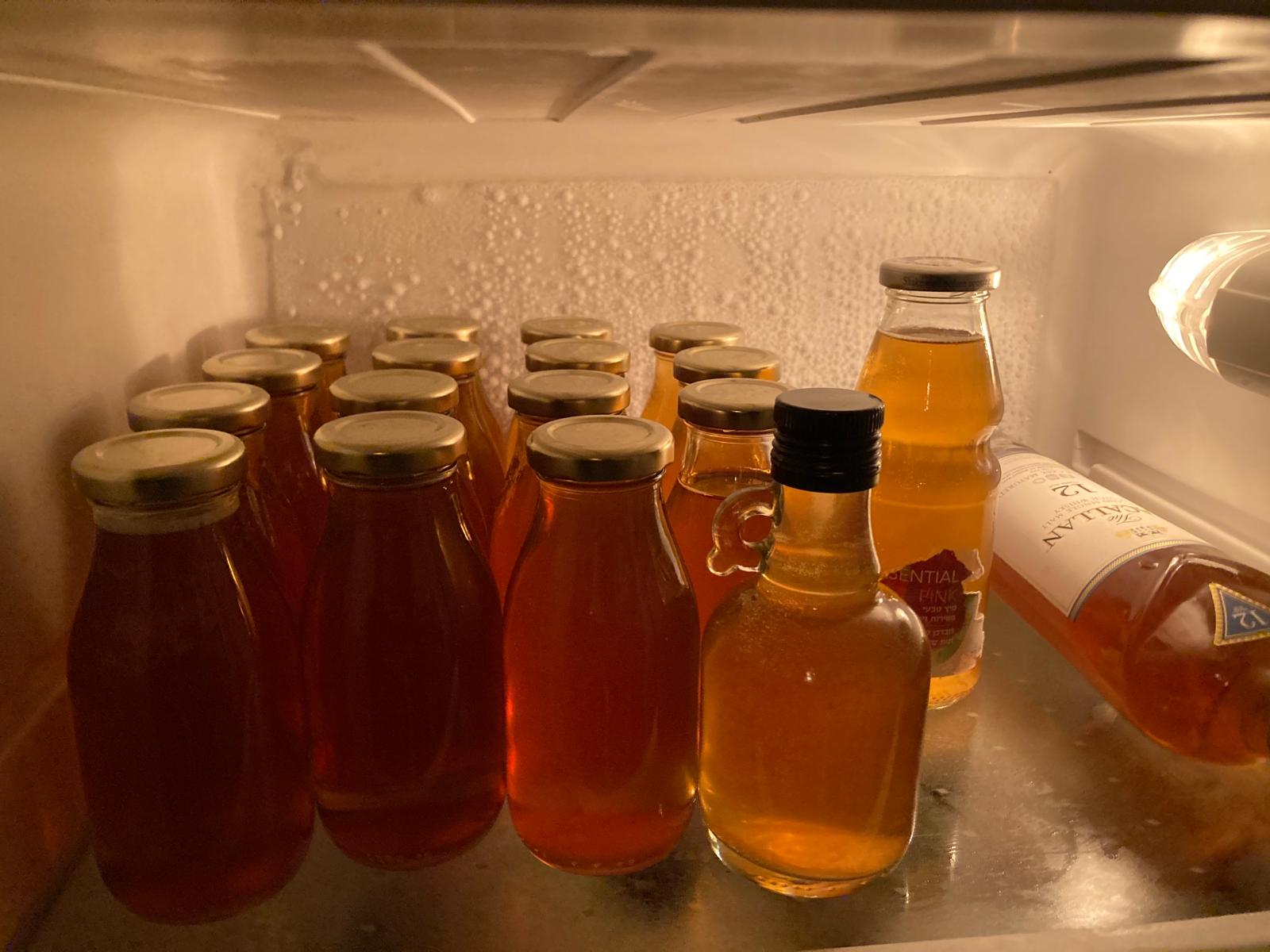
Home kombucha brewer based in Tel Aviv with 6+ years of experience and 500+ batches brewed. I started Kommbucha.com because the information online was scattered or just plain wrong — I wanted advice from someone who actually brews. My kombucha is sold at local Tel Aviv coffee shops and been gifted many times in Detroit, Michigan .