
✍️ Written & Updated by Ofir The Fermenter · 📅 November 18, 2026
Metronidazole (Flagyl) is prescribed for bacterial vaginosis, C. difficile, dental infections, and several other anaerobic infections. If you brew kombucha or drink it daily, you are right to wonder whether the two can coexist. The short answer is: not comfortably, and for more than one reason.
Why Metronidazole and Alcohol Don’t Mix
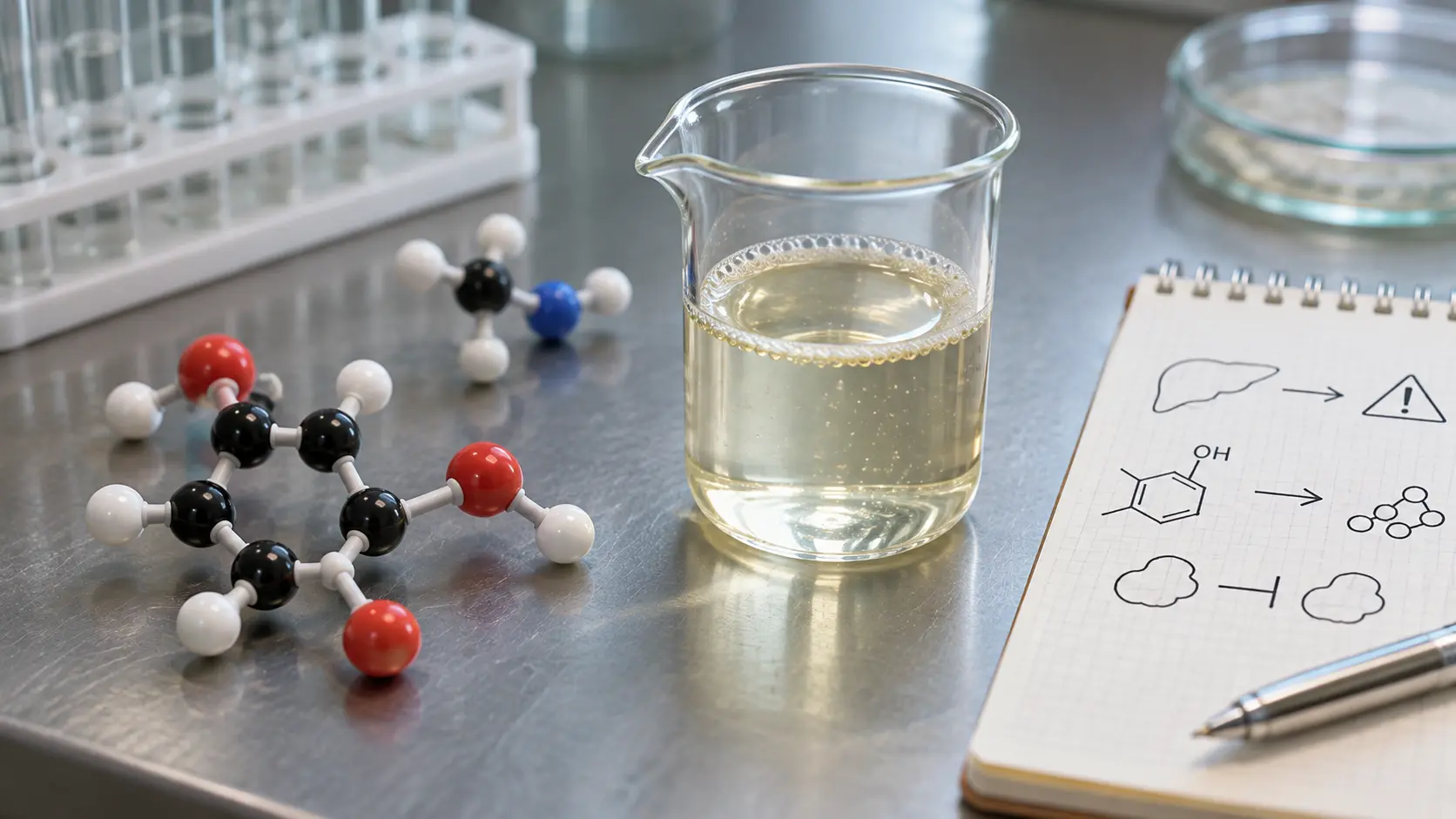
The core issue is a biochemical one. Metronidazole inhibits aldehyde dehydrogenase, the enzyme your body uses to break down acetaldehyde, a toxic byproduct of alcohol metabolism.
When that enzyme is blocked, acetaldehyde builds up rapidly in the bloodstream. This is the same mechanism used by disulfiram, a medication prescribed to deter drinking.
Your body converts alcohol to acetaldehyde in step one, then normally clears it in step two. Metronidazole blocks step two. Symptoms can include abdominal cramps, nausea, vomiting, headache, flushing, weakness, dizziness, sweating, and low blood pressure.
How Solid Is That Warning, Really?
It is worth being honest here. Controlled experimental data show metronidazole does not reliably increase acetaldehyde or produce disulfiram-like reactions.
The evidence for this reaction “appears to be weak at best.” The purported reaction could be an alcohol-independent side effect, an effect of alcohol itself, or disease-related.
So why still avoid alcohol? The mechanism is biologically plausible and the official prescribing information carries the alcohol warning. No clinician recommends testing your luck mid-course. The recommendation is clinically sound.
Kombucha’s Alcohol Content: Does It Matter?
Kombucha is not a beer. The alcohol content in commercial kombucha is regulated and typically kept below 0.5% ABV to comply with legal limits for non-alcoholic beverages.
Home-brewed kombucha is a different story. One study found that the alcohol content in some homemade kombuchas was as high as 3% ABV, which is real, meaningful alcohol in the range of a light beer.
The longer the kombucha ferments, the more potential it has to contain higher alcohol. A second-ferment batch left at room temperature for 72°F (22°C) or higher can climb faster than you expect.
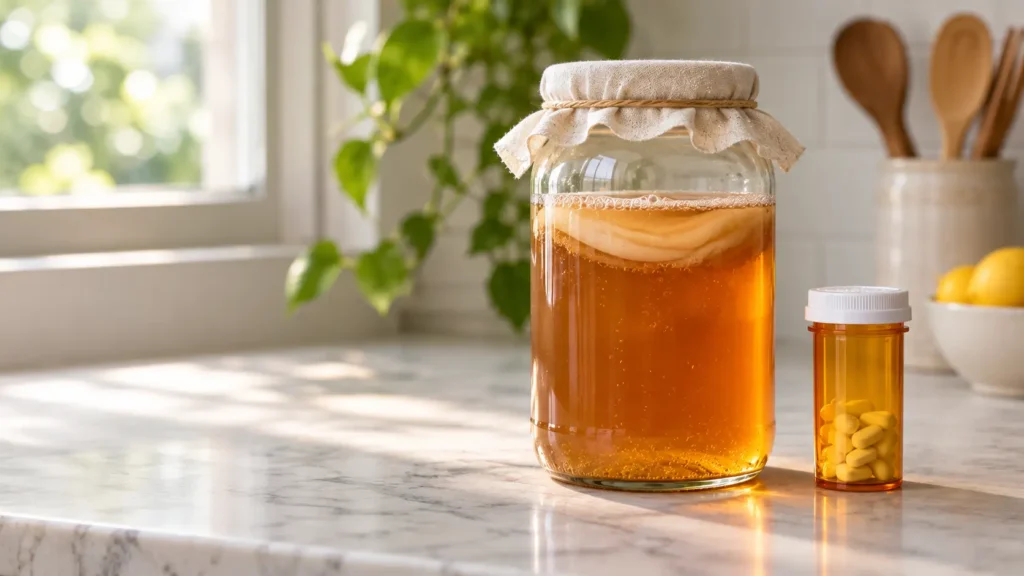
The backup SCOBY I keep in a jar on the side stays in the fridge during a course. No brewing, no tasting, full stop.
The Fermentation Chemistry Behind That Alcohol
The microbial community in kombucha consists of yeasts, acetic acid bacteria, and lactic acid bacteria within the SCOBY. Yeasts convert sugars to ethanol, which acetic acid bacteria then oxidize into organic acids.
Acetic acid (vinegar) gives kombucha its tang. First, yeast converts sugars to ethanol. Then bacteria oxidize the ethanol to acetaldehyde, then to acetic acid. Notice the intermediate step: acetaldehyde appears briefly in the brew itself before conversion.
That is exactly the molecule metronidazole prevents your liver from clearing. It is a minor consideration with store-bought kombucha, but worth noting if you home-brew.
Probiotics: Useful, but Not During This Course
Metronidazole is a powerful antibiotic that disrupts gut bacteria. Kombucha is known for its probiotic content, which consists of beneficial bacteria that support gut health.
It sounds like kombucha would help. The timing makes it complicated. Studies show that taking probiotics with antibiotics can help prevent antibiotic-associated diarrhea. But the alcohol in kombucha creates a specific risk with metronidazole that does not exist with most other antibiotics.
For more on spacing fermented drinks during any antibiotic course, see our guide on whether you can drink kombucha while on antibiotics.
What About After the Course?
The enzyme inhibition from metronidazole persists for up to 3 days after the last dose. Most prescribers recommend waiting 48 to 72 hours after your final pill before reintroducing any alcohol-containing drinks.
Once that window clears, kombucha becomes genuinely useful. Kombucha can contribute to rebuilding gut diversity after antibiotics, but it should not be your only strategy.
A combination of diverse fermented foods, prebiotic fiber, and time is the most effective approach. Think kefir, yogurt, kimchi, and kombucha together, not just one source.
Commercial vs. Home-Brewed: A Quick Comparison
Other Hidden Alcohol Sources to Watch
Metronidazole’s interaction with alcohol extends beyond drinks. Hidden alcohol sources such as mouthwash, cough syrups, and certain foods can also trigger a reaction.
- Mouthwash: many contain 20% or more ethanol. Use an alcohol-free formula.
- Vanilla extract: typically 35% ABV. Skip it in baking during your course.
- Fermented foods: most are fine, but kombucha and kefir carry trace alcohol.
- Cough syrups: check the inactive ingredients list carefully.
What the Research Picture Looks Like Overall
The honest summary is that the science on the metronidazole-alcohol interaction is messier than the warning label implies. The interaction remains a topic of debate.
Even so, the FDA label is clear, reactions have been reported, and a 2025 review of kombucha research in Frontiers underscores that many health interactions around fermented beverages are still being characterized, calling for caution in sensitive contexts.
Playing it safe for a few days costs you nothing. For more on kombucha’s safety profile, see our pages on is kombucha healthy and the benefits of kombucha backed by current evidence.
Frequently Asked Questions
Q: Can I drink store-bought kombucha while on metronidazole?
A: No. Even though commercial kombucha is regulated below 0.5% ABV, the alcohol warning on metronidazole covers all sources of ethanol. The risk may be small, but no clinical guidance carves out an exception for low-alcohol fermented drinks.
Q: How long after my last metronidazole dose can I drink kombucha?
A: Wait at least 48 to 72 hours. The enzyme inhibition from metronidazole persists for up to 3 days after the last dose. Err toward 72 hours if you home-brew, since your batch may contain more alcohol.
Q: Is home-brewed kombucha riskier than store-bought on this medication?
A: Yes, meaningfully so. One study found the alcohol content in some homemade kombuchas was as high as 3% ABV. Without regular testing, you cannot know the exact level in your batch.
Q: What symptoms would signal a metronidazole-alcohol reaction?
A: Symptoms may include abdominal cramps, nausea, vomiting, headache, flushing, weakness, diarrhea, dizziness, sweating, and low blood pressure. If you experience them, stop drinking and contact a healthcare provider.
Q: Can I restart kombucha to help my gut recover after the course ends?
A: Yes, once the 48-to-72-hour window has passed. Kombucha can contribute to rebuilding gut diversity after antibiotics, but pair it with other fermented foods and prebiotic fiber for best results.
Ofir is a brewer, not a doctor, so anyone with a medical concern should talk to a healthcare professional.
Home kombucha brewer based in Tel Aviv with 6+ years of experience and 500+ batches brewed. I started Kommbucha.com because the information online was scattered or just plain wrong — I wanted advice from someone who actually brews. My kombucha is sold at local Tel Aviv coffee shops and been gifted many times in Detroit, Michigan .