

✍️ Written & Updated by Ofir The Fermenter · 📅 October 8, 2026
Kombucha has built a real reputation as an anti-inflammatory drink. But what does the actual science say, and where does the evidence fall short? Let’s dig into the research honestly.
What Makes Kombucha Potentially Anti-Inflammatory?
Kombucha is not a single compound. It is a complex fermented beverage with several components known to interact with inflammatory pathways.
Kombucha is rich in tea polyphenols and organic acids. Research points to anti-inflammatory ability among its notable properties. Those two ingredient classes do most of the heavy lifting when it comes to inflammation.
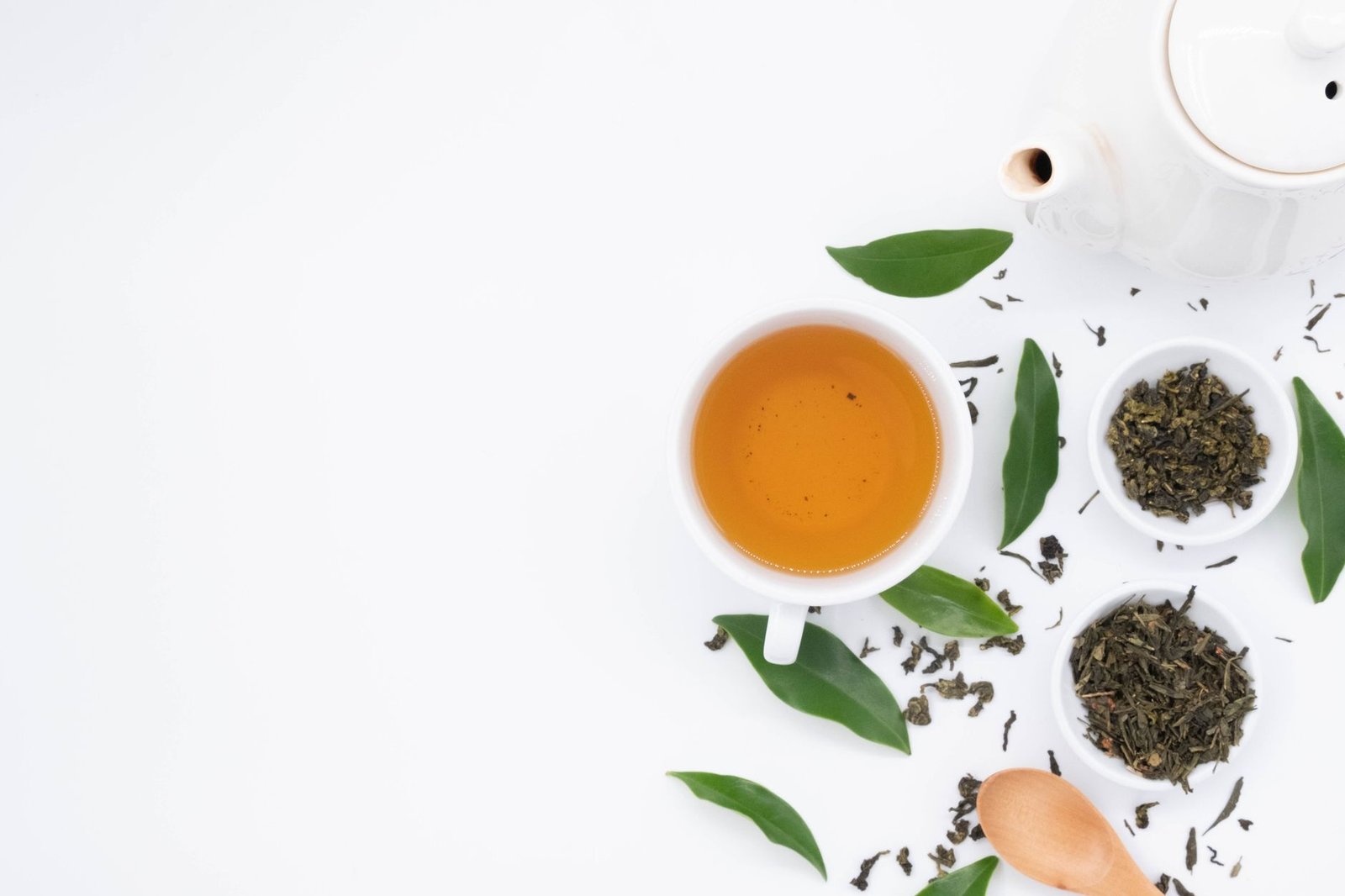
The polyphenols from tea, particularly in green tea-based kombucha, have shown anti-inflammatory effects in various studies. These compounds help neutralize free radicals that contribute to oxidative stress and inflammation.
Research also suggests that fermentation itself enhances the total phenolic content and antioxidant activity of the beverage, beyond what is found in unfermented tea.
The Key Mechanism: How Polyphenols Calm Inflammation
During fermentation, bacteria and yeast break down larger tea compounds into smaller, more bioavailable phenolic molecules.
These compounds, including quercetin and quercetrin, enter your cells and block nitric oxide (NO) production. Studies using LPS-induced macrophage cells attribute the anti-inflammatory effect directly to kombucha’s polyphenol content.
Kombucha also inhibits nitric oxide production and downregulates pro-inflammatory cytokines such as IL-1β and TNF-α. These are the same molecular targets that many anti-inflammatory drugs aim at.
What Lab and Animal Studies Show
Scientific evidence for kombucha’s anti-inflammatory properties is largely derived from preliminary research in laboratory settings or animal models. Components in the fermented tea can interfere with the biological processes of inflammation.
The in vitro results are consistently encouraging:
- Nitric oxide inhibition: Green tea kombucha exhibited the highest inhibition at 81.72%, followed by white tea at 68.60%, and black tea at 46.80%.
- Cytokine suppression: Pro-inflammatory cytokines IL-6 and TNF-alpha were significantly reduced by kombucha treatment.
- JNK pathway inhibition: Animal studies indicate kombucha suppresses inflammatory responses by inhibiting the JNK signaling pathway.
Kombucha has also been found to have higher inhibitory activity against 5-lipoxygenase than unfermented tea. Lipoxygenases play a role in producing inflammatory compounds in the body.

The Gut Connection
One important route to reduced inflammation is through the gut microbiome. A healthier gut lining means fewer inflammatory signals leaking into circulation.
The probiotics in kombucha contribute to a healthier gut microbiome, which plays a crucial role in regulating inflammation throughout the body.
Within the gut, commensal microbes generate short-chain fatty acids (SCFAs). These sustain epithelial integrity, support energy homeostasis, and dampen inflammation.
After kombucha intervention, SCFA-producing bacteria increased and pathogenic gram-negative bacteria decreased. Reduced intestinal barrier damage helped prevent inflammatory signals from leaking into circulation.
Thinking about kombucha purely as a direct anti-inflammatory agent misses part of the picture. The gut-inflammation axis matters. For a broader look, see whether kombucha is truly healthy across other dimensions of wellness.
What Human Clinical Trials Actually Show
Lab data is promising, but human trials are limited and results are mixed. As Harvard Health explains, the gap between lab findings and real-world human benefit is a recurring theme with fermented foods.
In a randomized controlled trial of individuals with excess body weight on a ten-week energy-restricted diet supplemented with green tea kombucha, IL-6 levels increased in both groups but reached significance only in the control group. No differences appeared for other markers.
An eight-week clinical trial in healthy individuals consuming a Western diet found no significant changes in immune features. Direct comparison revealed no differences, indicating kombucha did not influence inflammation in that cohort.
One more recent trial found most inflammatory markers, including hs-CRP, IFN-γ, and TNF-α, showed significant changes over time. However, responses to kombucha differed between groups for only a limited number of variables.
Results vary depending on the population studied, the type of kombucha used, and trial duration. No single picture has emerged yet.
Does the Type of Tea Matter?
Yes. The base tea used during fermentation meaningfully affects the anti-inflammatory potential.
Green tea kombucha demonstrates the highest antioxidant power due to its high polyphenol content. That higher polyphenol load translates into stronger anti-inflammatory activity in lab models.
The Sugar Caveat: Not All Kombucha Is Equal
One factor rarely discussed in the kombucha-inflammation conversation is sugar. Excess added sugar drives inflammation on its own.
Some brands add significant amounts of fruit juice or sweeteners after fermentation, which can counteract potential anti-inflammatory benefits. This is especially relevant to commercial bottles. When comparing home-brewed kombucha to commercial versions, the difference in sweetness suggests fermentation was stopped early or diluted with juice.
For more on how the full range of benefits of kombucha stack up, including gut health and antioxidant activity, that is a useful starting point. And for the other side of the coin, the kombucha side effects page covers the risks honestly.
How to Maximize the Anti-Inflammatory Potential
If anti-inflammatory benefit is your goal, these practical choices are supported by available research:
- Choose green tea kombucha when possible. It consistently shows the highest polyphenol content and nitric oxide inhibition in studies.
- Watch the sugar. Check labels and aim for under 5 grams of sugar per 8 oz (240 mL) serving.
- Ferment longer if brewing at home. Fermentation increases total phenolic content significantly through day 9.
- Pair with an anti-inflammatory diet. Kombucha works best alongside vegetables, fiber, and whole foods.
- Be consistent. Single servings are unlikely to move the needle. Trials that saw promising signals ran for eight to ten weeks.
The Honest Verdict
Despite promising findings in the lab, high-quality human clinical trials remain limited. Mixed conclusions remain regarding kombucha’s direct effect on systemic inflammation in people.
Kombucha is not a treatment for any inflammatory condition. At best, it is a low-sugar fermented beverage that delivers real polyphenols and supports a gut environment less hospitable to chronic inflammation. That is worthwhile, just not a miracle.
Current research suggests kombucha contains substances with anti-inflammatory potential. It should not be viewed as a substitute for established treatments.
Frequently Asked Questions
Q: Is kombucha anti-inflammatory?
A: Kombucha has anti-inflammatory properties in lab and animal research, driven mainly by polyphenols and organic acids. Human clinical trial results are mixed, with some studies showing modest benefits on certain markers and others showing no significant change. It is promising but not proven in humans.
Q: Which kombucha is best for inflammation?
A: Green tea kombucha consistently shows the highest polyphenol content and strongest nitric oxide inhibition in studies. Look for low-sugar options, ideally under 5 grams per 8 oz (240 mL) serving, since added sugar can counteract any anti-inflammatory benefit.
Q: How does kombucha reduce inflammation in the body?
A: Main pathways include polyphenol-driven suppression of pro-inflammatory cytokines like TNF-α and IL-1β, nitric oxide inhibition, and indirect gut support via SCFA-producing bacteria. A healthier gut barrier reduces the leakage of inflammatory compounds like LPS into circulation.
Q: How much kombucha should I drink for anti-inflammatory benefits?
A: Clinical trials that observed any effect typically used doses of 8 to 16 oz (240 to 475 mL) per day over eight to ten weeks. No single serving amount is proven to reduce inflammation. Start with 4 to 8 oz (120 to 240 mL) daily and assess tolerance.
Q: Can kombucha make inflammation worse?
A: For most healthy adults, kombucha is unlikely to worsen inflammation. High-sugar commercial versions may counteract benefits. People with immune conditions, SIBO, or yeast sensitivities should consult a doctor first, since live cultures and acids can cause digestive issues in some cases.
Ofir is a brewer, not a doctor, so anyone with a medical concern should talk to a healthcare professional.
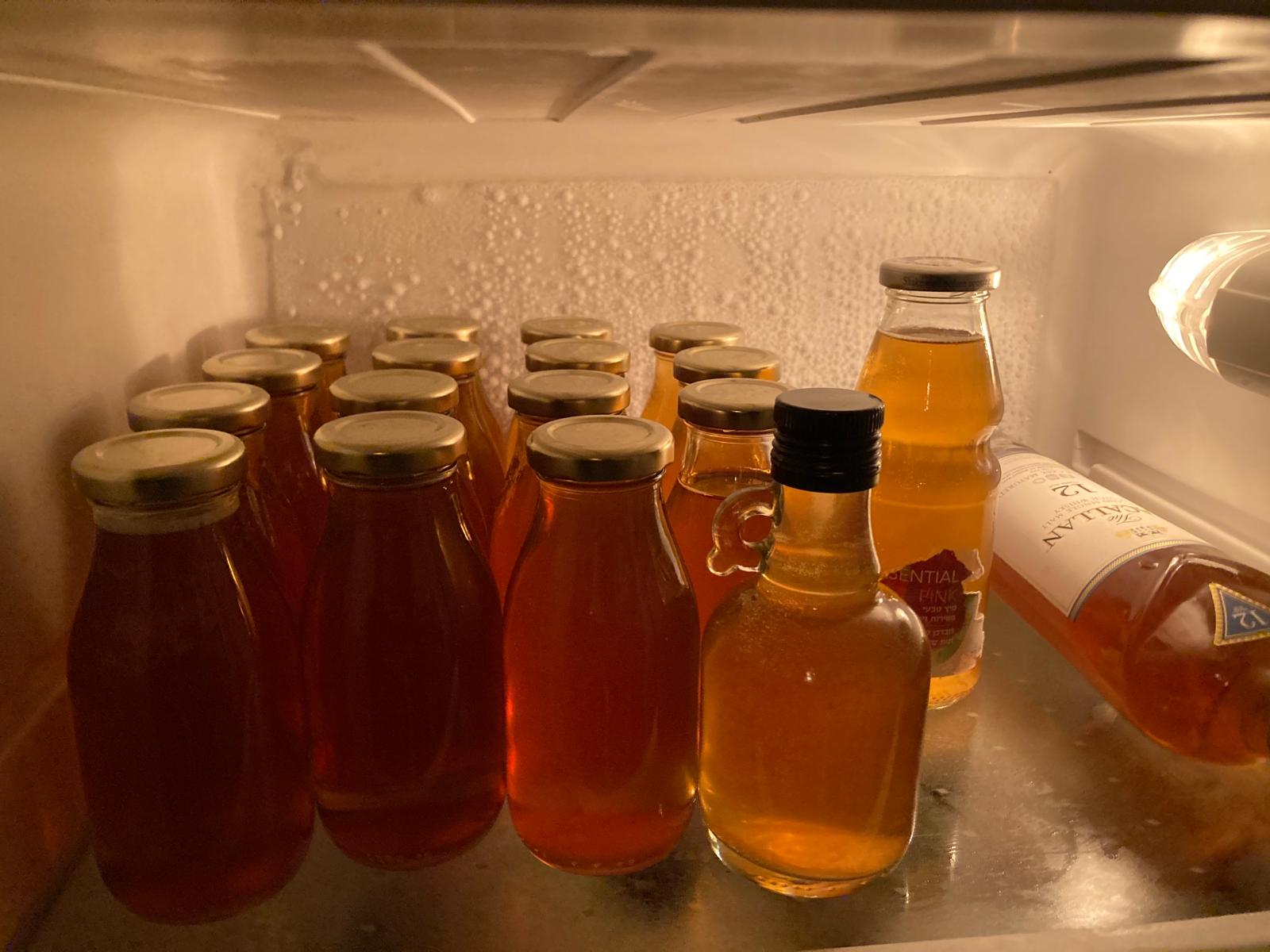
Home kombucha brewer based in Tel Aviv with 6+ years of experience and 500+ batches brewed. I started Kommbucha.com because the information online was scattered or just plain wrong — I wanted advice from someone who actually brews. My kombucha is sold at local Tel Aviv coffee shops and been gifted many times in Detroit, Michigan .