
✍️ Written & Updated by Ofir The Fermenter · 📅 November 20, 2026
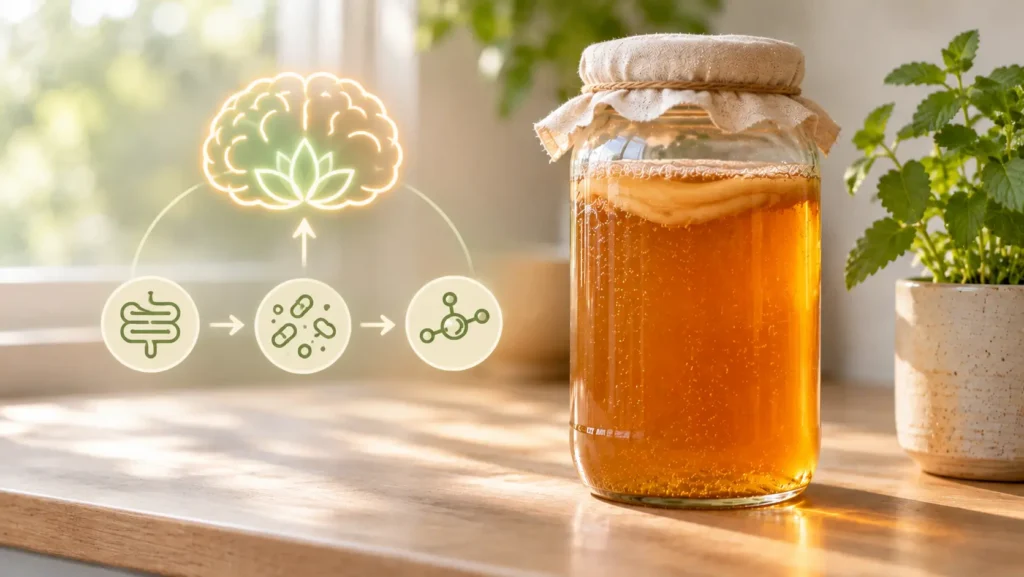
Kombucha and anxiety is one of the more talked-about intersections in gut health right now. The logic feels intuitive: a probiotic-rich drink, a gut that talks to the brain, a calmer mind. But what does the evidence actually say?
What Is the Gut-Brain Axis?
The gut-brain axis is a two-way communication highway between your digestive system and your central nervous system.
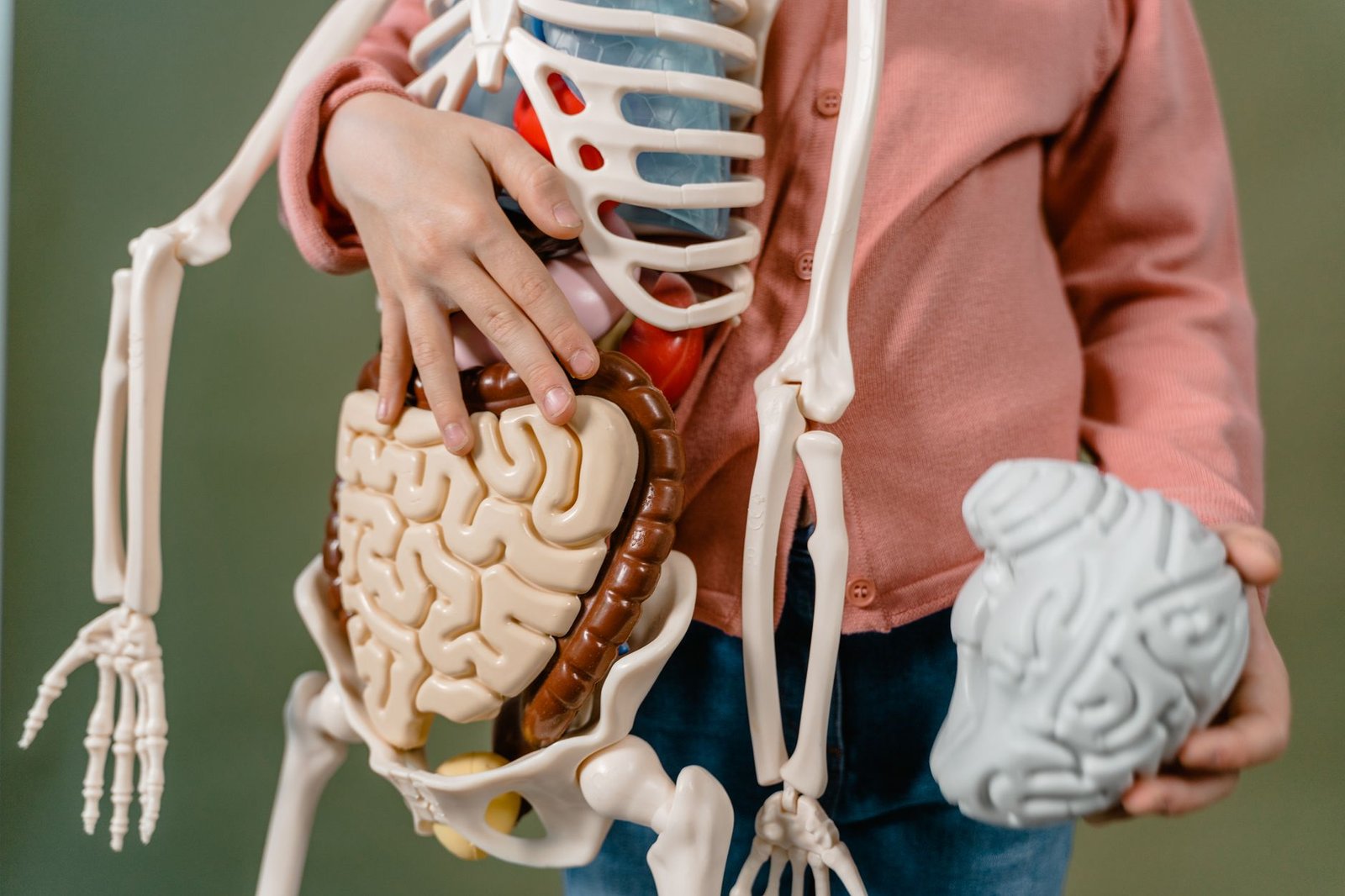
The gut is connected to the brain by approximately 200 to 600 million neurons. That is not a footnote. That is a highway.
The gut communicates with the brain via neural, immunological, and metabolic pathways. This occurs directly through the vagus nerve or indirectly through microbiome changes.
How Kombucha Is Made (and Why It Matters)
Kombucha fermentation is driven by a SCOBY (symbiotic culture of bacteria and yeast). These microbes do not just preserve the tea. They transform it.
During kombucha fermentation, sucrose is hydrolyzed by yeast cells into fructose and glucose. These are then metabolized to ethanol.
Acetic acid bacteria then convert that ethanol into acetic acid, the tangy backbone of every bottle.
This microbial consortium works synergistically to enhance the nutritional and functional properties of the drink. It produces key compounds with antioxidant, anti-inflammatory, and antimicrobial benefits.
Read more about the full picture in benefits of kombucha.
Kombucha’s Compounds and the Anxiety Pathway
Several components in kombucha have plausible links to anxiety regulation. Together they form a reasonable biological case.
- Probiotics (Lactobacillus, Bifidobacterium): Clinical studies indicate that combinations of Lactobacillus and Bifidobacterium strains can exert beneficial effects on stress and anxiety in healthy populations.
- L-theanine: L-theanine, a non-proteinogenic amino acid found in tea, promotes relaxed alertness by modulating GABA, dopamine, and serotonin pathways.
- GABA: GABA is produced during fermentation by specific strains of lactic acid bacteria. Some kombucha strains can produce this calming neurotransmitter directly.
- B vitamins: B vitamins play a crucial role in maintaining a healthy nervous system and regulating mood. Deficiency can lead to mood changes and anxiety.
- Organic acids: Organic acids such as acetic, lactic, and gluconic acid promote a healthy gut pH. They may support short-chain fatty acid production.
For a broader look at how these compounds interact with your body, see is kombucha healthy.

What the Animal Research Shows
Researchers from the University of Minnesota found that drinking kombucha was associated with reduced anxiety-like behaviors in mice. This is the most specific kombucha-anxiety study to date.
The researchers used two different diets, one high in fat and sugar and one lower in both. Mice drank kombucha three times a week for seven weeks.
Mice that drank kombucha showed fewer depression-like behaviors than those drinking water, regardless of diet. They also showed fewer anxiety-like behaviors in the Western-diet group.
Kombucha was linked to changes in gut bacteria involved in processing tryptophan, an amino acid the body uses to make serotonin. This tryptophan-serotonin link is a key piece of the puzzle.
Mice fed kombucha also showed changes in gut bacteria diversity. They had an increase in some gut bacteria and metabolites associated with gut-brain communication.
The Human Evidence: Probiotics, Not Kombucha Specifically
No clinical trial has tested kombucha specifically against anxiety outcomes in humans. The research is about fermented foods and gut bacteria broadly, or the gut-brain axis as a general mechanism.
Human trials on probiotics are encouraging. In a randomized placebo-controlled trial, probiotics improved panic anxiety, neurophysiological anxiety, negative affect, and worry.
In another 12-week probiotic trial, the probiotic modulated gut metagenome and enhanced functional diversity. It was linked to stress and anxiety reduction.
Lactobacillus and Bifidobacterium have demonstrated anxiolytic effects in studies. However, lack of standardization in dosing and strain selection limit applicability in clinical therapy.
Where the Evidence Falls Short
A recent Australian study found that drinking kombucha each day changed some metabolic markers. It did not produce clear changes in stress responses compared with a placebo drink.
Researchers did not observe clear differences in cortisol recovery, sweating, heart rate variability, or self-reported stress.
Biochemical changes alone are not evidence of mood improvement or mental health benefits. The findings suggest kombucha was doing something biologically measurable, but meaningful wellbeing benefit requires further evidence.
Temperature alone can shift a batch’s entire microbial profile. A summer heat wave once turned a batch sharp and vinegary in about 5 days. The microbes fermenting are sensitive to conditions, and that likely affects what ends up in the bottle.
The science connecting kombucha to mental health runs through several steps. Each step has decent evidence, but the full chain has not been tested in one study.
Fermentation Conditions That Affect Bioactive Compounds
Not all kombucha is equal. Temperature, fermentation time, and tea type all shift what ends up in your glass.
Fermentation generally takes 7 to 10 days at room temperature, with temperatures from 64°F to 79°F (18°C to 26°C) reported as optimal.
As fermentation continues, the taste shifts from pleasantly fruity to vinegar-like after longer fermentation. Over-fermented kombucha may also have a different probiotic profile.
So, Should You Drink Kombucha for Anxiety?
The honest answer is: it depends on what you expect. If you enjoy kombucha, it can be part of a varied diet.
But there is no strong evidence it improves mood in humans. It should not replace professional mental health support or prescribed treatment for anxiety.
What is fair to say is this: there is strong mechanistic evidence for gut-brain communication. There is moderate evidence that probiotic interventions reduce anxiety symptoms in clinical populations.
Kombucha fits naturally into a diet that supports gut diversity. For more on how it supports digestion, see does kombucha help digestion.
For the deeper science behind kombucha’s microbiology and production, a peer-reviewed Foods journal review of kombucha production and microbiology is a solid starting point.
Practical Notes for Home Brewers
If you brew at home and want to maximize probiotic content, keep your fermentation temperature steady. Aim for 72°F to 78°F (22°C to 26°C).
Shorter fermentation (7 days) tends to preserve more live cultures before acidity climbs and suppresses some strains.
Use black or green tea as your base. Green tea kombucha tends to retain higher L-theanine than black tea kombucha.
Refrigerate promptly after bottling. Cold storage slows fermentation and stabilizes the probiotic and metabolite profile.
Q: Can kombucha reduce anxiety?
A: No human clinical trial shows kombucha directly reduces anxiety. Animal research from the University of Minnesota found kombucha was associated with reduced anxiety-like behaviors in mice. Broader probiotic trials in humans show modest anxiety benefits. The evidence is promising but not yet definitive for kombucha.
Q: How does the gut-brain axis connect to anxiety?
A: The gut and brain communicate via the vagus nerve, immune signaling, and neurotransmitter precursors like tryptophan. Gut bacteria influence serotonin and GABA production. When gut microbiome balance is disrupted, it can affect mood and anxiety pathways. Kombucha may support this balance.
Q: What is in kombucha that might help with anxiety?
A: Kombucha contains probiotics, L-theanine, B vitamins, GABA in some batches, and organic acids. Each has independent evidence linking it to nervous system support or mood regulation. No single compound is proven to reduce anxiety at the levels found in kombucha.
Q: Does kombucha affect cortisol or stress hormones?
A: One Australian study found no significant difference in cortisol levels between kombucha and placebo groups after eight weeks. Kombucha altered some metabolic markers in blood and urine. Those biochemical changes did not translate to measurable improvements in acute stress responses in healthy adults.
Q: How much kombucha should I drink for gut health?
A: Most research and anecdotal experience points to 8 to 16 fluid ounces (240 to 475 ml) per day as reasonable. Start low if you are new to fermented foods to let your gut adjust. No established therapeutic dose exists for anxiety. Kombucha should complement a varied diet.
Ofir is a brewer, not a doctor, so anyone with a medical concern should talk to a healthcare professional.
Home kombucha brewer based in Tel Aviv with 6+ years of experience and 500+ batches brewed. I started Kommbucha.com because the information online was scattered or just plain wrong — I wanted advice from someone who actually brews. My kombucha is sold at local Tel Aviv coffee shops and been gifted many times in Detroit, Michigan .