
✍️ Written & Updated by Ofir The Fermenter · 📅 September 10, 2026
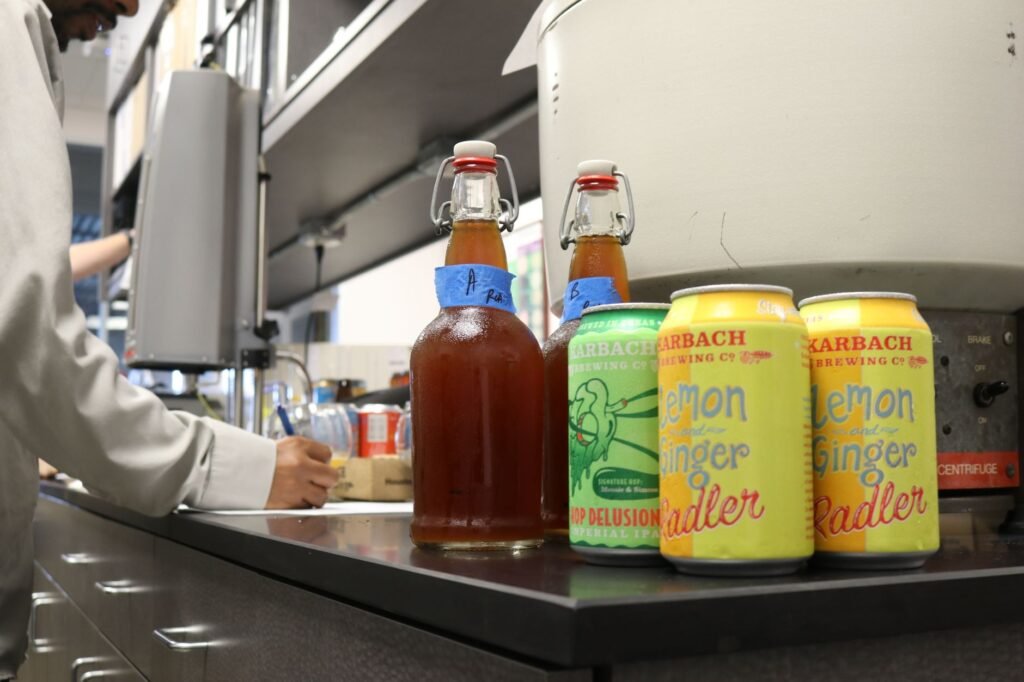
If you’ve spent any time with a bottle and a swing-top cap, you know that kombucha second fermentation is where the real fun happens. The SCOBY is out, the base is tart, and you can do almost anything with it.
I’ve tested a lot of the obvious combinations. Ginger lemon, blueberry, mango chili. Those work reliably. But the batches that taught me the most were the weird ones.
Below are the five boldest, strangest flavor combos I’ve put into a bottle. I’m ranking them honestly, by taste, not by how photogenic they were.
Why “Weird” Combos Actually Make Sense in Kombucha
Kombucha’s tart base is acidic, similar to a light vinegar. That acidity actually works like a seasoning, pulling out aromatic compounds from herbs and produce you’d never think to steep in plain water.
During fermentation, sucrose is hydrolyzed by yeast into fructose and glucose. These are metabolized to ethanol, which acetic acid bacteria oxidize to produce acetic acid. This lowers pH and gives kombucha its characteristic sour taste. That low pH is exactly what makes savory and spicy add-ins so interesting: they hit differently here than in any other drink.
A second fermentation period allows the flavors to meld and achieve a deeper, more complex flavor profile. With bold add-ins, that melding does real work.
A Quick Note on Ratios Before You Start
The 10-20% flavoring to 80-90% kombucha ratio is a guideline, not a rule. For subtle flavors like cucumber or herbs, use closer to 20-25% juice to achieve flavor. For intense flavors like ginger, citrus, or passion fruit, 10% or less may be sufficient.
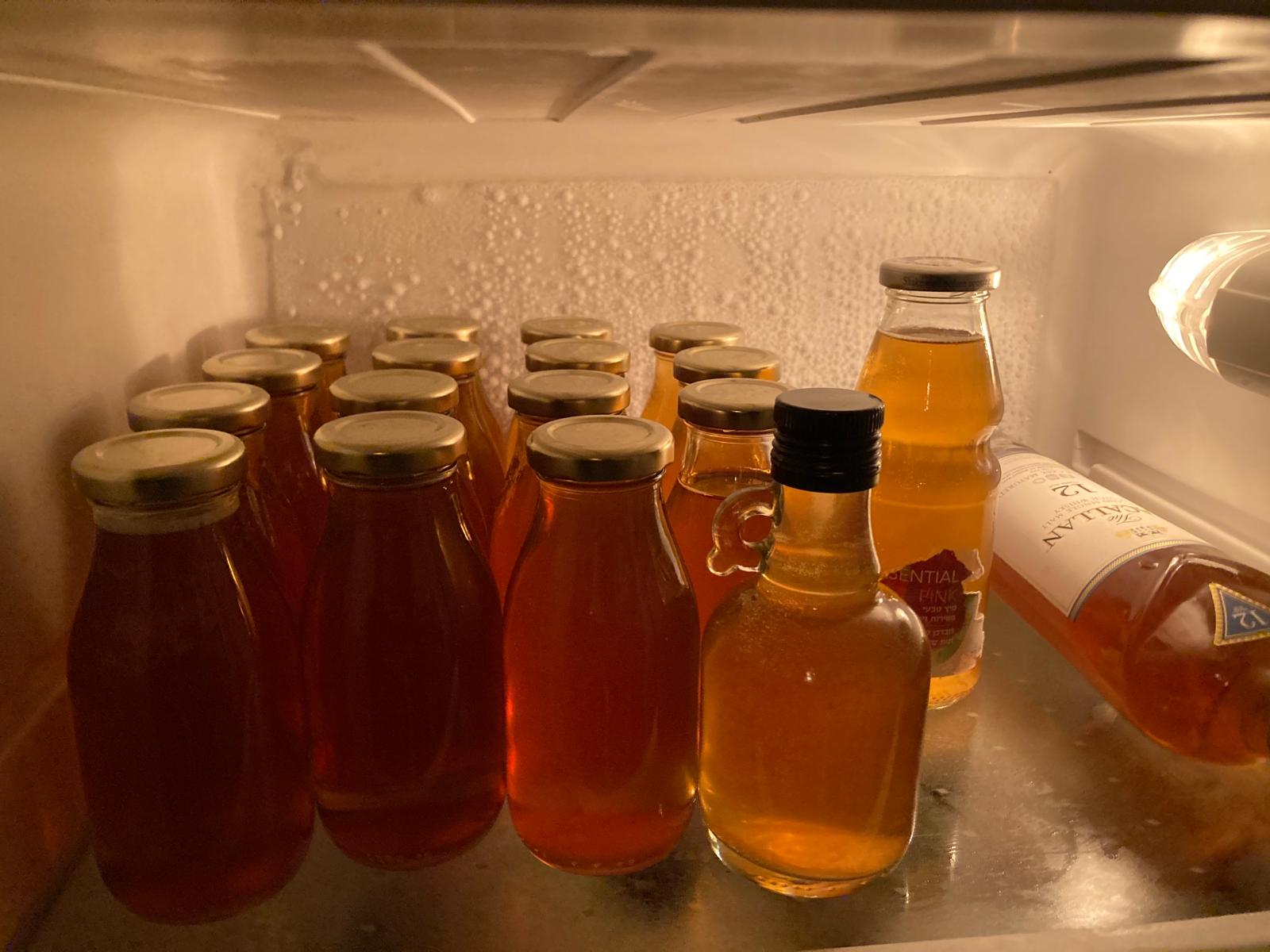
For all five combos below, I used 16-ounce (475 mL) swing-top bottles. Second fermentation typically lasts 2 to 4 days or longer. The longer you go, the more carbonated and less sweet it will become.
Check our best fruits and herbs to flavor kombucha page before you shop. Knowing which ingredients yield the most sugar saves a lot of flat-bottle frustration.
#5 (Last Place): Black Sesame and Raw Honey
I’ll be honest: this one looked amazing on paper. Toasty, nutty, faintly sweet. I added one teaspoon of black sesame paste and a half teaspoon of raw honey to a 16-ounce (475 mL) bottle.
The problem is texture. Sesame paste clumps in the cold. After 48 hours at 72°F (22°C), the bottle was adequately fizzy but visually murky and gritty on the palate. The flavor itself was actually pleasant, earthy and mellow.
If you want to try it, strain everything before drinking. Use tahini sparingly, no more than half a teaspoon. The honey dissolved fine and added round sweetness that played well with the acidity.
#4: Cucumber and Dill
This one I was most skeptical about. Cucumber-dill kombucha sounds like something you’d find at a Brooklyn pop-up charging $12 a glass.
Vegetables are an excellent option for flavoring kombucha. I used about 2 tablespoons (30 mL) of fresh cucumber juice and three small dill sprigs per bottle.
After 3 days at room temperature, the dill had mellowed considerably. The result was clean, almost spa-like, and very low in sugar, so carbonation was on the lighter side. It pairs well with a green tea base, which keeps the flavor delicate.
- What works: Fresh cucumber juice (not chunks, which transfer almost no flavor)
- What doesn’t: Dried dill, which tastes dusty after fermentation
- Best base: Green or white tea kombucha
- Carbonation level: Low to medium
#3: Beet Juice and Cardamom
Beet juice is a surprisingly reliable second-ferment ingredient. Beets and carrots, while not fruit, are great in kombucha. I added about 2 tablespoons (30 mL) of fresh beet juice and two crushed cardamom pods per 16-ounce (475 mL) bottle.
The result was a deep ruby color and a flavor that tasted almost mulled. Beet sugar drives strong carbonation, so I burped the bottles twice on day two. By day three, this was one of the most visually striking bottles I’ve ever opened.
The earthiness of beet and the floral warmth of cardamom turned out to be genuinely complementary. It reminded me of a chai-adjacent shrub. I served it over ice and even skeptical friends asked for a second glass.
#2: Tomato, Basil, and a Pinch of Black Pepper
Savory kombucha sounds wrong until you taste it. Adding a savory twist inspired by Bloody Mary flavors brings an unexpected and flavorful twist to your brew.
My version used 2 tablespoons (30 mL) of good cherry tomato juice, three fresh basil leaves, and a pinch of cracked black pepper per bottle. I used a black tea base for body.
After 2 days at 74°F (23°C), the result was genuinely surprising. The tomato mellowed out of “juice” territory and into something more herbal. The basil softened. The pepper gave a faint lingering warmth that worked beautifully with the acidity of the base.
This is the combo I’d serve at a dinner party as a non-alcoholic aperitif. Think of it as a lightly effervescent shrub with a savory backbone. People will ask what it is, and they won’t guess kombucha on the first try.
One tip: don’t overdo the tomato. Two tablespoons (30 mL) is the ceiling. More than that and it tips into cold soup territory, and not in a good way.
#1: Watermelon and Jalapeño
I almost didn’t test this one, because it sounds like a summer cocktail menu cliché. I’m glad I did. Sweet watermelon blends with bold spices to create a unique kombucha flavor, offering a fruity base with a spicy twist.
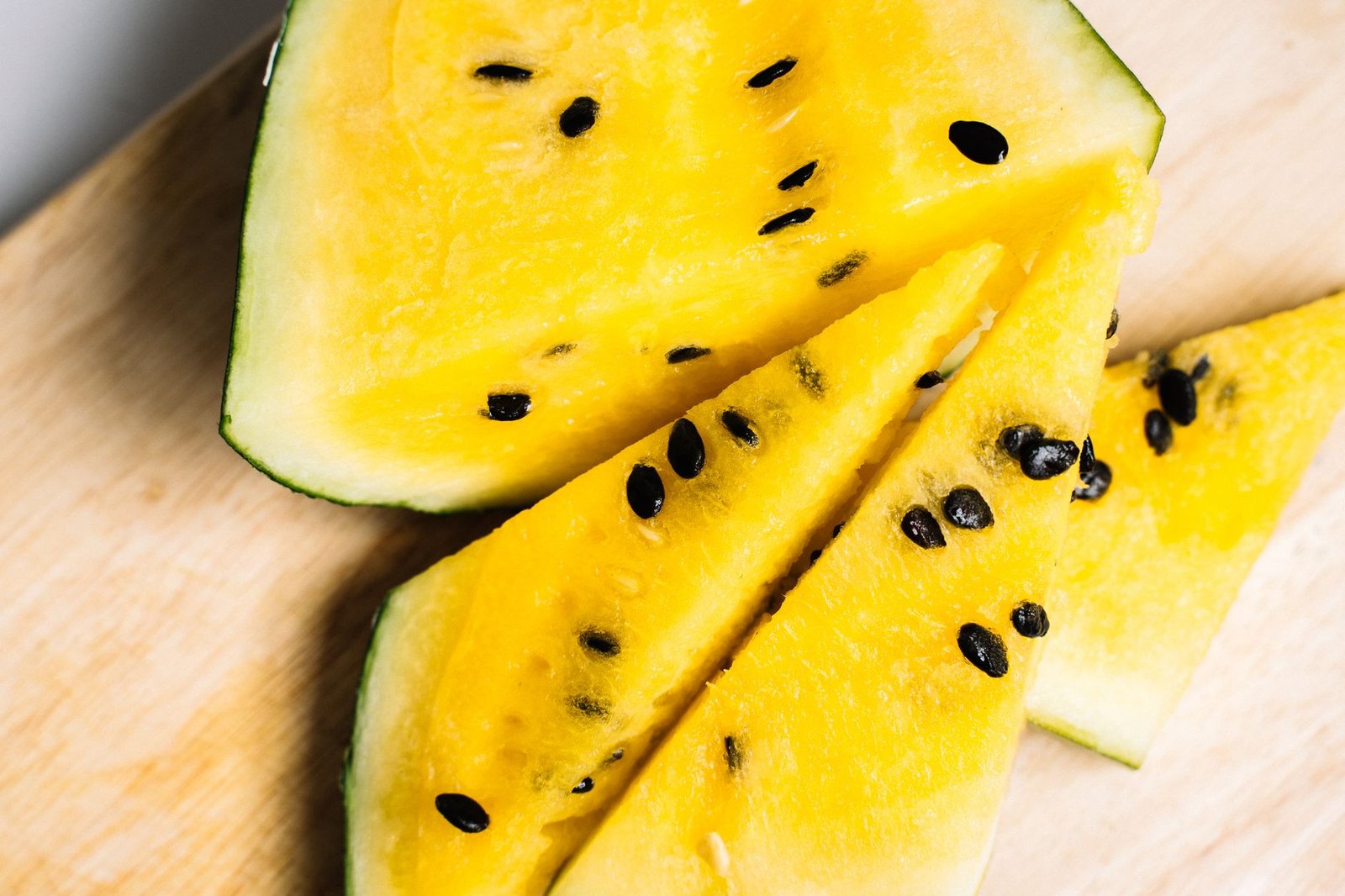
I used 3 tablespoons (45 mL) of fresh watermelon juice and two thin jalapeño slices per 16-ounce (475 mL) bottle. High-sugar fruits create more carbonation, so reduce the amount if getting excessive fizz. Watermelon is high in natural sugar, so I kept the bottle cold after 48 hours to stop it from going too far.
The result was genuinely the best glass of kombucha I’ve poured this year. The watermelon’s sweetness amplified by the acidity. The jalapeño heat built slowly and then faded cleanly. No harsh aftertaste. Just a dry, spicy, fruit-forward fizz that I kept wanting more of.
Use fresh jalapeño, not pickled, and remove the seeds if you want manageable heat. Leave the seeds in for full fire. Both work, but know what you’re signing up for before you seal the bottle.
Why Your Base Kombucha Matters Here
The bold-flavor combos above will amplify or clash with whatever is already in your base. A very sour first ferment makes jalapeño heat sharper and the tomato more acidic than you want.
I’ve seen this firsthand: a small US coffee shop I advised kept getting a house kombucha that came out too sour. We pulled the first ferment a couple of days shorter, and suddenly the second-ferment flavors had room to shine instead of fighting the base.
A second fermentation period allows flavors to meld into a deeper, more complex profile. Additionally, if bottled in an airtight container, the CO2 produced during fermentation stays trapped, giving the kombucha the fizzy texture it’s known for.
The Health Picture (Brief, Honest)
Flavor experiments are fun, but many people also brew kombucha for gut health. Kombucha contains live bacteria and yeast from fermentation. Multiple human clinical trials show it measurably changes the gut microbiome.
That said, bold spicy or savory add-ins don’t change the probiotic content in any meaningful way. The live cultures are already in your base. For a fuller picture of what kombucha does and doesn’t do, WebMD’s overview of kombucha benefits and safety is a clear, balanced read worth bookmarking.
Ready to Keep Experimenting?
If these five combos sparked ideas, check out the full kombucha flavors guide for 30-plus combinations I’ve tested and ranked. Plenty more fall into the “unusual but it works” category.
The rule I keep coming back to: if the ingredient tastes good in a vinaigrette, it probably tastes good in kombucha. That’s a solid starting point for your next batch.
Q: What are the best bold flavor combos for kombucha second fermentation?
A: Watermelon jalapeño ranks first for taste: the fruit sweetness and slow-building heat balance each other beautifully. Tomato basil with black pepper works as a savory aperitif-style option. Beet and cardamom produces strong carbonation and a mulled, complex flavor. All three outperformed subtler combos in blind taste tests.
Q: How long should I second-ferment a bold-flavored kombucha?
A: Two to three days at room temperature, around 72 to 75°F (22 to 24°C), is a reliable starting point. High-sugar add-ins like watermelon need closer monitoring. Burp bottles once or twice on day two, then refrigerate to stop fermentation once carbonation feels right. Going longer increases acidity and carbonation but can overpower delicate herbs.
Q: Can I use vegetables instead of fruit in second fermentation?
A: Yes. Cucumber, beet, tomato, jalapeño, carrot, and celery all work. The key is using juice or very thin slices rather than large chunks, which transfer little flavor. Low-sugar vegetables like cucumber produce less carbonation, so plan for a lighter fizz unless you add a small amount of fruit juice alongside them.
Q: Will spicy or savory add-ins affect the probiotics in my kombucha?
A: No meaningfully. The live bacteria and yeast are already in your base kombucha before you add flavoring. Spices and vegetables don’t eliminate those cultures. Keeping bottles properly sealed and refrigerating promptly after second fermentation is what preserves probiotic content, regardless of what flavors you add.
Q: Why does my bold-flavored kombucha taste too sour after second ferment?
A: The culprit is usually a first ferment that ran too long. If your base is already quite acidic, any additional 48 to 72 hours of second fermentation will push it further sour, and delicate flavors like basil or cucumber get buried. Try shortening your first ferment by one to two days, then re-test with the same flavor combo. The difference is significant.
Home kombucha brewer based in Tel Aviv with 6+ years of experience and 500+ batches brewed. I started Kommbucha.com because the information online was scattered or just plain wrong — I wanted advice from someone who actually brews. My kombucha is sold at local Tel Aviv coffee shops and been gifted many times in Detroit, Michigan .