
✍️ Written & Updated by Ofir The Fermenter · 📅 September 10, 2026
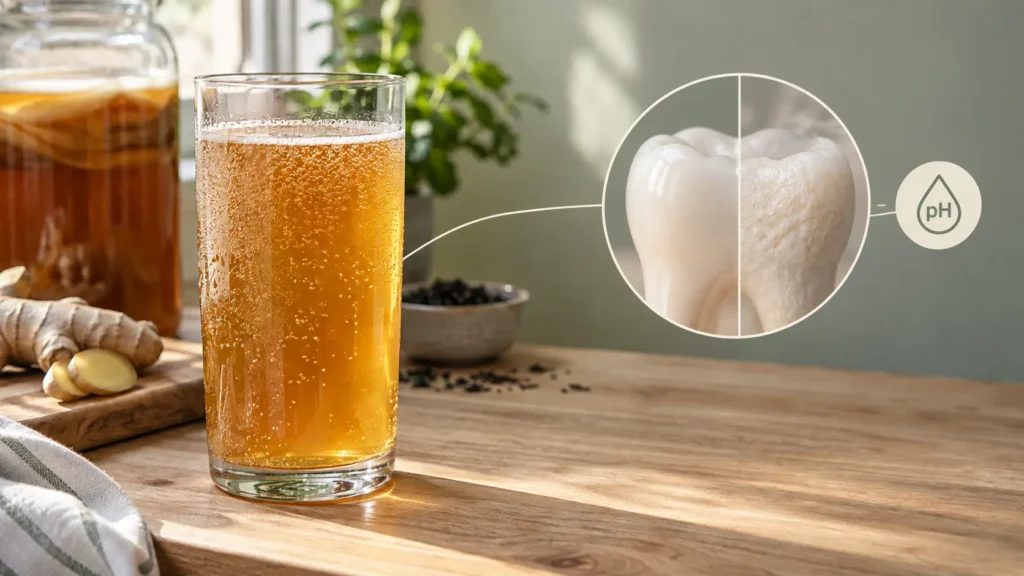
Kombucha and teeth is a topic I get asked about a lot, especially by friends at coffee shops who started offering my brew to customers. They loved the probiotics. Then a few of them started noticing sensitivity. That got my attention.
The short answer: yes, kombucha can affect your enamel. But how much depends heavily on how you drink it, and a few simple habits can cut the risk significantly.
Why Kombucha Is So Acidic
Fermentation is the culprit. The SCOBY (symbiotic culture of bacteria and yeast) converts sugar into organic acids, mainly acetic acid and gluconic acid.
Acetic acid bacteria oxidize the ethanol that yeast produces, turning it into acetic acid. This process, combined with gluconic acid and glucuronic acid production, drives pH down sharply during fermentation.
Tooth enamel begins to soften at a pH below 5.5. Kombucha at 2.5 to 3.5 falls well below that threshold.
Acetic acid and natural carbonation create a double challenge for enamel, both contributing to erosive potential. For context, kombucha pH ranges from 2.5 to 3.5, while white vinegar is around 2.4.

What the Research Actually Shows
Lab studies confirm the concern. Kombucha displays similar erosive potential as Coca-Cola after prolonged exposure to tooth surfaces.
A study published in Odontology evaluated kombucha’s erosive potential using a preclinical oral cavity simulator, measuring surface loss in bovine enamel and dentin specimens.
Korean research also raised a flag: kombucha likely causes dental erosion, including dissolution of tooth enamel. Enamel erosion is irreversible loss of hard dental tissue due to chemical acid action without bacterial involvement.
That matters. Enamel erosion from acid differs from cavities. You can have good oral hygiene and still experience acid erosion from what you drink.
For a broader look at kombucha’s health picture, Medical News Today’s analysis of kombucha provides a solid, balanced read.
The Sugar Factor
Acid is one part of the equation. Sugar is the other.
Sugar content in kombucha ranges from 2 to 30 grams (1 ounce) per serving, exceeding the recommended daily intake for some people.
Mouth bacteria feed on sugar. Sugar feeds the plaque that forms on teeth and can lead to cavities and gum disease.
When I home-brew, fermentation runs long enough that yeast eats most sugar. A well-fermented batch has far less residual sugar than store-bought bottles. Always read the label on commercial bottles.
Staining: The Less-Discussed Problem
Like coffee and tea, kombucha can stain your teeth. It is brewed from black or green tea, both containing tannins.
Kombucha is more acidic than water and can wear away the white enamel layer, making teeth sensitive and prone to decay. Over time, teeth appear brown as darker dentin beneath the enamel becomes exposed.
Browning is a two-step process: tannins stain the surface, and enamel thinning reveals naturally darker dentin underneath. Both are worth taking seriously.
How Sipping Habits Make Everything Worse
This is where most people go wrong: they treat kombucha like a water bottle, nursing it all morning.
Sipping kombucha throughout the day creates a consistently acidic environment leading to bad breath, weakened enamel, and increased cavity likelihood.
Anything lowering mouth pH below 5.5 increases cavity risk. Prolonged sipping keeps that pH low for hours.
Drink your kombucha in one sitting, ideally with a meal. Done quickly, saliva can buffer acidity and start remineralizing.
Five Habits That Protect Your Teeth
- Use a straw, placed far back. Position the straw behind your front teeth so acidic beverage has less contact with them.
- Rinse immediately after. Drink fluoridated water afterward to rinse your mouth and keep acids under control.
- Wait 30 minutes before brushing. Brushing too soon can erode the surface further. Saliva needs time to buffer acidity and remineralize enamel.
- Choose low-sugar bottles. Read ingredient labels and pay close attention to sugar content. Lower sugar means less fuel for decay-causing bacteria.
- Chew sugar-free gum. Gum stimulates saliva production, which neutralizes acids and protects enamel.
Home-Brewed vs. Store-Bought
Yes, it matters. Commercial bottles vary wildly in pH and sugar content across brands and bottles.
When I brew at home, I taste and test as I go. A longer first ferment produces more acid and less sugar, better for gut health but no gentler on enamel. pH is pH.
You can control sugar levels and fermentation length at home, but well-fermented batches still drop pH very low. Test your brew with pH strips and use a straw regardless.
Who Should Be Extra Careful
Know your cavity risk. If you are prone to cavities, kombucha is not a good idea. Talk to your dentist before adding it to your routine.
Once enamel is lost, it doesn’t regenerate, leaving teeth more susceptible to cavities. As enamel erodes, underlying dentin becomes exposed, leading to sensitivity with hot, cold, or sweet substances.
People with existing sensitivity, those wearing orthodontic brackets, or anyone with thin enamel should be cautious. Acidic drinks like kombucha can accelerate metal corrosion on orthodontic hardware.
For a full health picture, see our pages on whether kombucha is healthy and the benefits of kombucha. For the broader risk profile, our guide to kombucha side effects and safety is worth reading alongside this one.
The Bottom Line on Kombucha and Teeth
Kombucha deserves the same respect as any acidic drink. Enamel loss is permanent. Acid erosion does not care how many probiotics the drink contains.
Drink it fast, rinse well, wait before brushing, and use a straw. Those four habits make a real difference. Treat it like a treat, not an all-day water replacement.
Frequently Asked Questions
Q: Does kombucha damage tooth enamel?
A: Yes, it can. Kombucha likely causes dental erosion, including dissolution of tooth enamel. Dental erosion is irreversible loss of hard dental tissue due to chemical acid action. The risk depends on how often and how long you expose your teeth to the drink.
Q: What is the pH of kombucha, and why does it matter for teeth?
A: Kombucha has a pH level between 2.5 and 3.5. The threshold for cavity development is 5.5, which is generally accepted as the critical level. Anything below that threshold puts enamel at risk with sustained contact.
Q: Is kombucha worse for teeth than soda?
A: They are in a similar range. Kombucha is nearly as acidic as Coca-Cola or Pepsi. Lab research confirms kombucha shows similar erosive potential to Coca-Cola after prolonged exposure to tooth surfaces.
Q: Should I brush my teeth right after drinking kombucha?
A: No, wait at least 30 minutes. Brushing too soon abrades the weakened surface further. Your saliva needs time to buffer acidity and remineralize enamel. Rinse with water first, then brush later.
Q: Can home-brewed kombucha be less damaging to teeth?
A: Potentially, but not automatically. You can control sugar and fermentation at home, but pH can still drop very low. Test your brew with pH strips and use a straw regardless of the source.
Ofir is a brewer, not a doctor, so anyone with a medical concern should talk to a healthcare professional.
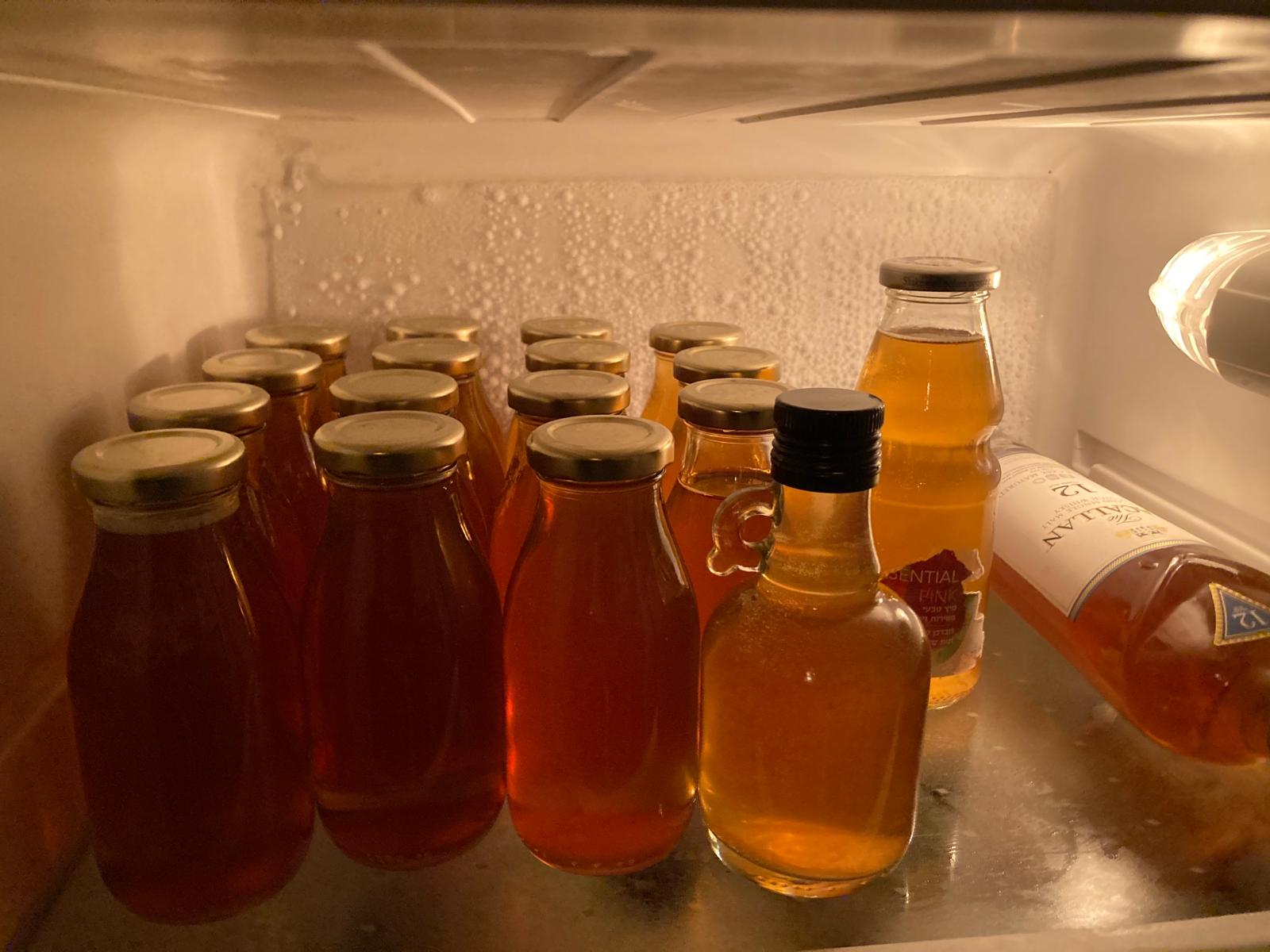
Home kombucha brewer based in Tel Aviv with 6+ years of experience and 500+ batches brewed. I started Kommbucha.com because the information online was scattered or just plain wrong — I wanted advice from someone who actually brews. My kombucha is sold at local Tel Aviv coffee shops and been gifted many times in Detroit, Michigan .