

✍️ Written & Updated by Ofir The Fermenter · 📅 September 2, 2026
The link between kombucha and cholesterol is one of the most searched health questions about the drink. Animal research looks promising. Human data, though, is still thin. Here is what the evidence actually says.
What the Animal Research Shows
Studies show that kombucha can increase “good” HDL cholesterol and decrease “bad” LDL cholesterol. Most evidence comes from animal models.
At Indonesia’s Padjadjaran University, increasing kombucha in drinking water consistently lowered total cholesterol in ducks. LDL decreased and HDL increased across groups.
A separate study tested green tea and kombucha on cholesterol in rats with high cholesterol. Rats received cholesterol-rich diets alongside either drink for 16 weeks.
Kombucha administration induced favorable effects on high cholesterol, particularly for liver and kidney function.
Research also assessed kombucha’s effect on cholesterol uptake in rabbits. The data suggest kombucha consumption helps prevent problems caused by high-cholesterol diets.

What the Human Evidence Actually Shows
While promising results appear in animal models, direct evidence in humans remains sparse. Only two recently published controlled clinical trials exist.
One eight-week clinical trial explored kombucha’s effects in healthy individuals. Researchers collected blood samples but did not observe significant changes in biochemical parameters.
A longer observational study at the University of Latvia reported some antioxidant effects and cholesterol reduction. However, blueberries, carrots, and other fruits and vegetables yield similar results.
Most research comes from animal studies and small human trials. More research is needed. That is not reason to dismiss kombucha, but reason not to overclaim.
How Kombucha Might Affect Cholesterol
During fermentation, yeast converts sugars into alcohol. Acetic acid bacteria then convert that alcohol into acetic acid and other organic compounds.
Tea polyphenols in kombucha have protective effects against cardiovascular disease. By inhibiting LDL oxidation, they help prevent atheroma development. They may inhibit pancreatic lipase, decreasing cholesterol and triglycerol absorption.
Glucuronic acid in kombucha can prevent cholesterol accumulation and convert cholesterol to a more water-soluble compound for easier excretion.
Kombucha also activates SIRT-1 and AMPK, suppressing chronic inflammation. It reduces lipogenesis and hepatic cholesterol synthesis while mitigating hepatic fat accumulation.
Kombucha delivers multiple active compounds. Polyphenols, organic acids, and probiotics each address different aspects of lipid metabolism.
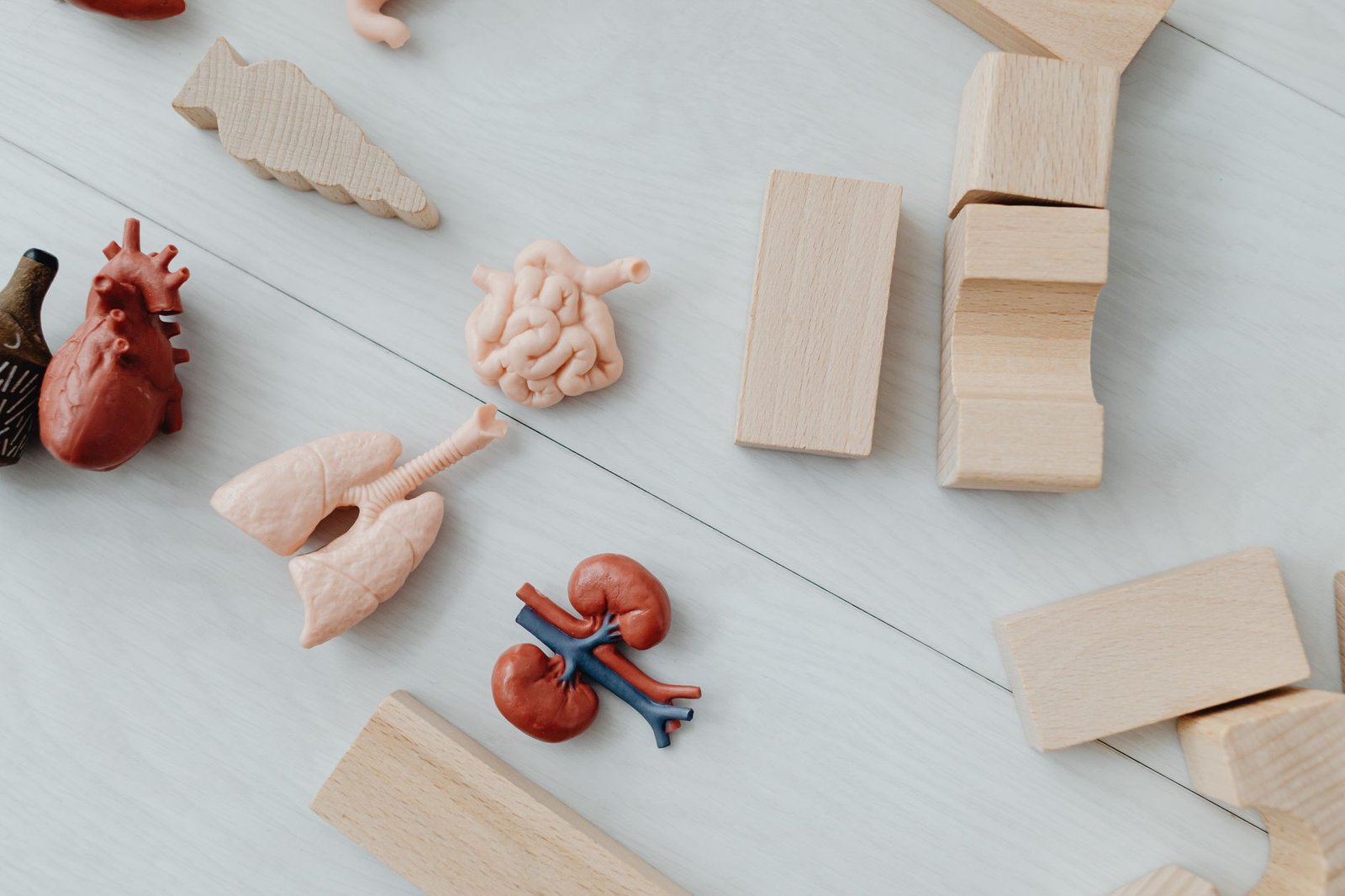
Key Compounds and Their Roles
Does the Type of Tea Matter?
Probably yes. Five studies found that kombucha prepared with green tea significantly reduced blood glucose and LDL cholesterol. HDL cholesterol increased.
Kombucha made from green tea contains many of the same plant compounds as green tea itself. Green tea-based kombucha likely carries more polyphenols into the final brew.
Black tea kombucha still delivers organic acids and probiotics, but may have a different polyphenol profile. The base tea changes the final character, from flavor to active compounds.
Kombucha and Cholesterol: Practical Takeaways
- Not a substitute: Kombucha is not a replacement for statins or doctor-prescribed lipid plans.
- Serving size matters: Most studies used modest amounts. 8 oz (240 mL) per day is a reasonable starting point.
- Choose wisely: High-sugar commercial kombucha offsets the benefit. Look for less than 6 grams of sugar per serving.
- Green tea base: If cholesterol is your focus, green tea-based kombucha has the most polyphenol support.
- Context counts: Kombucha alongside a fiber-rich diet makes more sense than alongside a saturated-fat-heavy diet.
For a broader look at what the drink may and may not do, see our page on the benefits of kombucha.
Who Should Be Careful
Kombucha may help limit plaque buildup in arteries. However, drinking too much could cause headache, nausea, or GI distress.
Our page on whether kombucha is healthy covers both sides honestly. For the full picture on safety, read up on kombucha side effects before making it a daily habit.
Much of what we know about kombucha’s health benefits comes from animal studies. Human clinical trials have not caught up yet. Cleveland Clinic’s guide to kombucha echoes this balanced view, noting the promise while flagging the gaps in human evidence.
Frequently Asked Questions
Q: Does kombucha lower cholesterol in humans?
A: Not conclusively yet. Animal studies show reduced LDL and raised HDL, but human clinical trials are small. The polyphenols and organic acids in kombucha have plausible mechanisms. More confirmation at scale in human populations is needed.
Q: How much kombucha should I drink for cholesterol support?
A: Research has not established a definitive dose. A practical starting point is around 8 oz (240 mL) per day. Choose a low-sugar option. More than 16 oz (480 mL) daily is generally not recommended due to potential digestive discomfort.
Q: Is green tea kombucha better for cholesterol than black tea kombucha?
A: The evidence leans toward green tea. Multiple studies found LDL and total cholesterol reductions with green tea-based kombucha. Green tea retains more catechins after fermentation. Black tea kombucha still provides organic acids and probiotics.
Q: Can kombucha replace my statin medication?
A: No. Kombucha is a fermented food, not a pharmaceutical. Statins have extensive human trial data behind them. Do not stop or adjust medication based on kombucha. Talk to your doctor about any dietary changes.
Q: Does kombucha affect triglycerides as well as cholesterol?
A: Early research suggests yes. Kombucha tea may help reduce fat accumulation and lower triglyceride levels. That research used animal models, so human confirmation is still needed.
Ofir is a brewer, not a doctor, so anyone with a medical concern should talk to a healthcare professional.
Home kombucha brewer based in Tel Aviv with 6+ years of experience and 500+ batches brewed. I started Kommbucha.com because the information online was scattered or just plain wrong — I wanted advice from someone who actually brews. My kombucha is sold at local Tel Aviv coffee shops and been gifted many times in Detroit, Michigan .