
✍️ Written & Updated by Ofir The Fermenter · 📅 September 7, 2026
Kombucha and UTI is one of those topics where the internet swings between “drink it every day to cure infections” and “the acid will wreck you.” The honest answer sits somewhere in the middle, and it depends on whether you’re trying to prevent a UTI or manage an active one.
What Actually Causes a UTI?
A UTI happens when bacteria from your skin or rectum spreads up into your urinary tract. It starts in the urethra, causing burning during urination.
The infection can travel up into the bladder and, if untreated, lead to a kidney infection. This matters when weighing any home remedy.
How Kombucha’s Chemistry Works
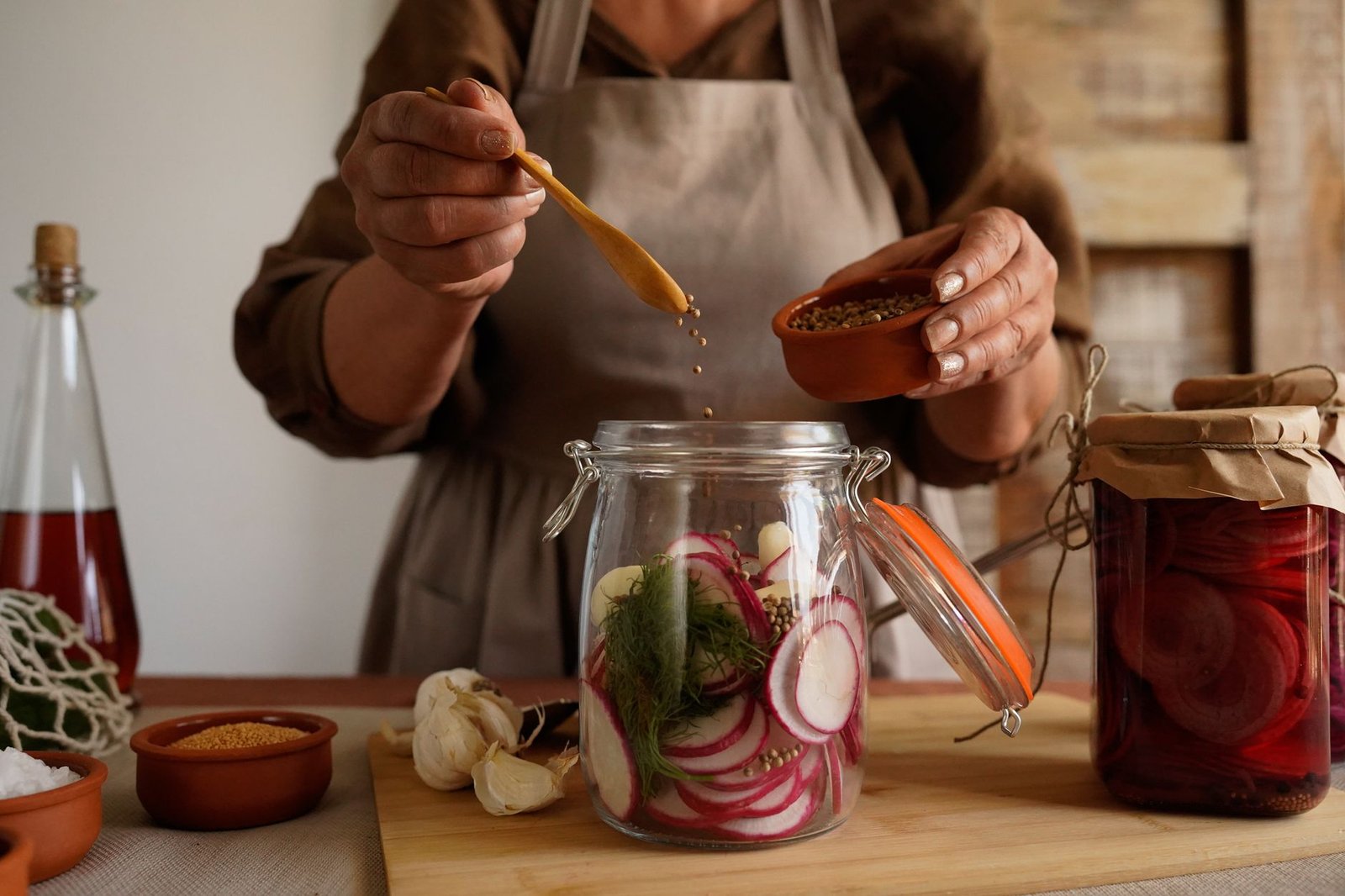
During fermentation, yeast converts sugar into alcohol. The rising alcohol concentration stimulates acetic acid bacteria, which produce organic acids including acetic acid and gluconic acid.
Kombucha’s antimicrobial activity comes from organic acids, bacteriocins, enzymes, and tea polyphenols. Acetic acid can inhibit harmful bacteria growth. Think of it as the brew’s built-in defense layer.
Fermentation creates bioactive compounds with antimicrobial potential. Research has established kombucha’s antimicrobial activity against bacteria and fungi. However, lab dish activity does not automatically translate to your bladder.
The Potential Upside: Probiotics and UTI Prevention
The probiotics in kombucha may help promote healthy bacteria balance in the gut and urinary tract. This reduces UTI risk and lines up with research on Lactobacillus.
Studies show that Lactobacillus prevents harmful uropathogens from attaching to urothelial cells. Good bacteria compete for the same attachment points that pathogens like E. coli need.
Probiotics with Lactobacillus reduce recurrent UTI incidence and lengthen the time between infections in premenopausal women. Prevention, not cure, is where probiotics shine.
For evidence-based details, a peer-reviewed review of kombucha’s properties on PubMed covers antimicrobial and biological activity in depth.

The Catch: Not All Kombucha Is Equal
Store-bought kombucha varies widely. Some bottles contain significant residual sugar. Sugar increases UTI risk and irritates the bladder, escalating urinary symptoms.
Caffeine is another variable. Caffeinated drinks worsen UTIs since caffeine acts as a diuretic and increases urination frequency during infection. Kombucha from black tea carries caffeine, so check the label.
Kombucha is acidic and can influence urinary tract sensations. Its acidity might mildly irritate the urethra or bladder. If you have an active infection, adding an irritant is the last thing you need.
When Kombucha Might Help vs. Hurt
After Antibiotics: Where Kombucha Fits Best
Probiotics are found in fermented foods such as kombucha, kefir, kimchi, and probiotic yogurt. They work well after antibiotics because antibiotics disturb gut bacteria.
Antibiotics clear the infection but also hit your microbiome broadly. A daily, low-sugar kombucha in the days following a course of antibiotics helps restore gut balance.
Having a steady supply of kombucha makes it easy to reach for a bottle consistently, which matters more than any single dose.
What the Research Doesn’t Show Yet
More research is needed to understand kombucha specifically for UTIs. Most antimicrobial studies are in vitro. Translating that to what happens after you drink involves many digestive and metabolic steps.
Signs suggest probiotics may reduce certain urinary disease risk, but large clinical trials are needed for definite evidence. Honest summary: promising, not proven.
For the broader picture on what kombucha does for your body, see our pages on whether kombucha is healthy and the benefits of kombucha.
Practical Guidance for UTI-Prone Individuals
- Choose low-sugar batches: Under 6 grams of sugar per 8 oz (240 ml) serving keeps bladder irritation risk low.
- Watch the caffeine: Green-tea kombucha has less caffeine than black-tea versions, which helps during active infection.
- Hydrate alongside it: Kombucha is not a substitute for water. Drink at least 60 oz (1.75 liters) of fluid daily to dilute and flush bacteria.
- Don’t delay treatment: If symptoms include fever, chills, or back pain, see a doctor immediately.
Be aware of possible kombucha side effects, especially if immunocompromised or pregnant, since those groups need extra caution with unpasteurized fermented foods.
The Bottom Line on Kombucha and UTI
Kombucha is a fermented drink with genuine antimicrobial compounds and probiotic activity. Those properties make it sensible for UTI prevention, especially for recurrent infections.
It is not a treatment for active UTI. High-sugar, caffeinated, or heavily acidic bottles can worsen symptoms. Low-sugar, home-brewed kombucha is most likely to help. Pair it with water, good hygiene, and medical care when needed.
Frequently Asked Questions
Q: Can kombucha cure a UTI?
A: No. An active urinary tract infection requires medical evaluation and usually antibiotics. Kombucha’s probiotics and organic acids show promise for prevention in recurrent cases, but no clinical evidence supports it clearing an established infection on its own.
Q: Does kombucha irritate the bladder?
A: Yes, it can. Kombucha is acidic and may mildly irritate the urethra or bladder, increasing urination frequency or discomfort. High-sugar or caffeinated versions are most likely to aggravate an inflamed bladder. Limit or skip it during active UTI symptoms.
Q: Is kombucha good for recurrent UTIs?
A: Potentially. Probiotic-rich foods support the urogenital microbiome, and research shows Lactobacillus-containing probiotics reduce UTI recurrence in premenopausal women. Kombucha is not a standardized supplement, but a low-sugar daily habit may offer protective benefit.
Q: When is the best time to drink kombucha for UTI prevention?
A: After a course of antibiotics is well-supported, since antibiotics disturb gut bacteria and fermented foods restore balance. For general prevention, a small daily serving of 8 oz (240 ml) low-sugar kombucha is reasonable, combined with high fluid intake and good hygiene.
Q: What type of kombucha is best if you are prone to UTIs?
A: Choose low-sugar kombucha with under 6 grams of sugar per 8 oz (240 ml) serving. Green-tea kombucha has less caffeine than black-tea versions, reducing bladder irritation. Home-brewed, longer-fermented batches tend to have less residual sugar. Avoid heavily sweetened commercial bottles.
Ofir is a brewer, not a doctor, so anyone with a medical concern should talk to a healthcare professional.

Home kombucha brewer based in Tel Aviv with 6+ years of experience and 500+ batches brewed. I started Kommbucha.com because the information online was scattered or just plain wrong — I wanted advice from someone who actually brews. My kombucha is sold at local Tel Aviv coffee shops and been gifted many times in Detroit, Michigan .