
✍️ Written & Updated by Ofir The Fermenter · 📅 August 30, 2026
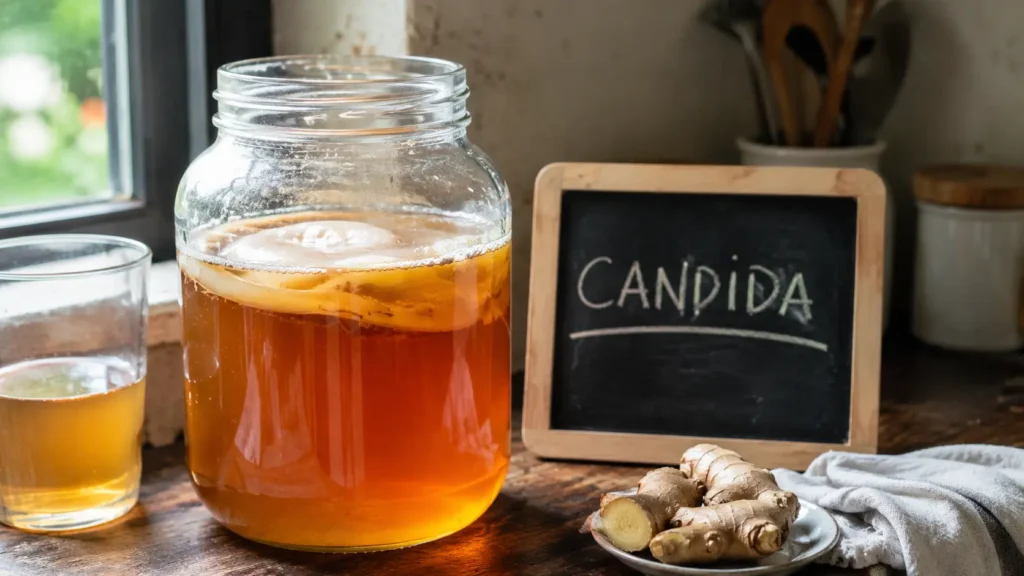
Kombucha and candida is one of the most genuinely complicated questions I get. The answer isn’t a clean yes or no. Here’s what the research actually shows, and what I’d honestly tell anyone thinking it through.
What Is Candida, and Why Does It Matter?
Candida is a fungal infection caused by a yeast of the same name. A small amount lives naturally in the body, and healthy bacteria usually keep it in check.
When that balance tips, candida can overgrow and cause infection. Does a fermented, acidic drink help restore order, or disrupt it further?
How Kombucha Fermentation Works
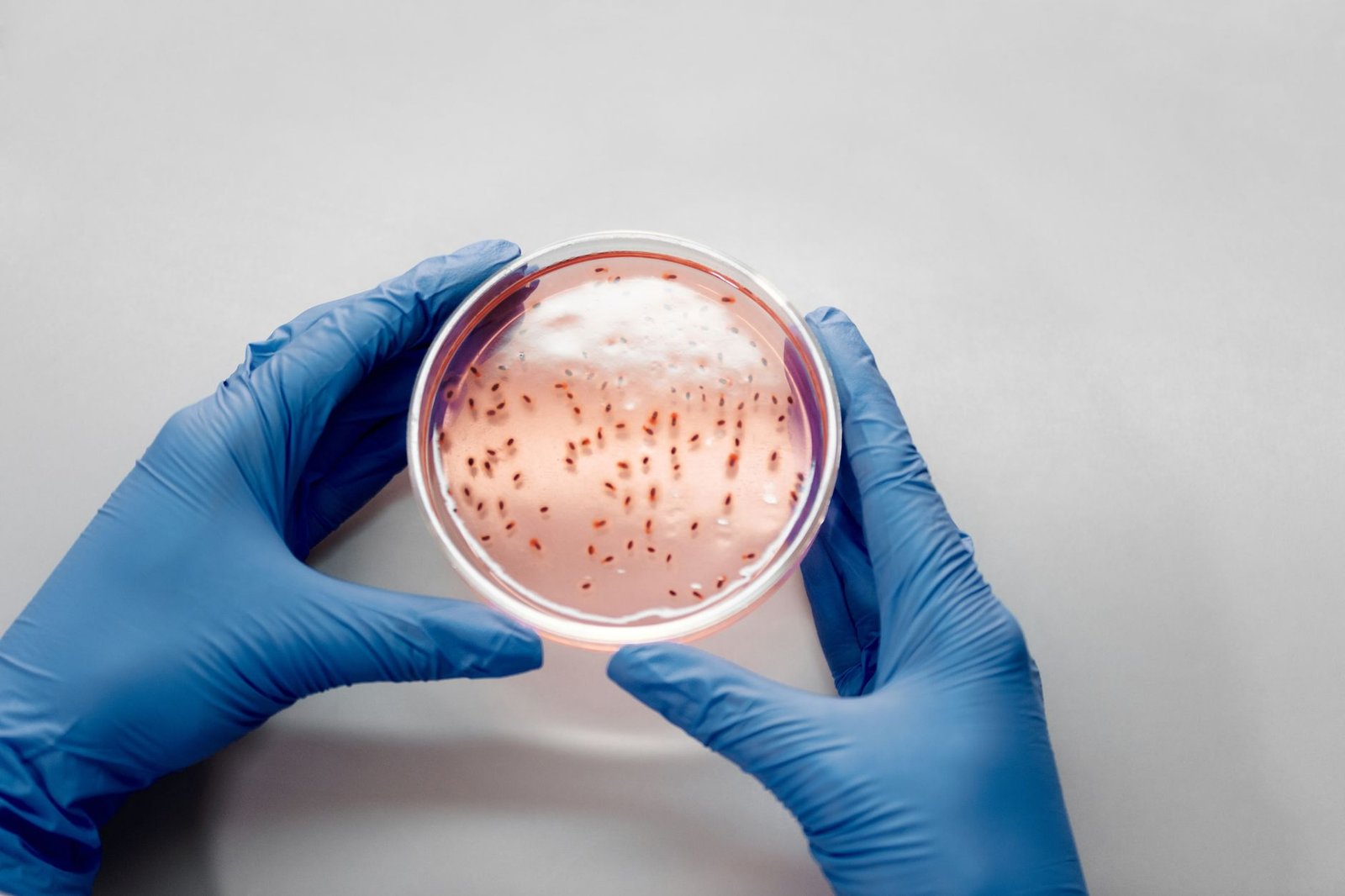
During fermentation, yeast breaks sucrose into fructose and glucose, then converts them to ethanol. Acetic acid bacteria then oxidize that ethanol into acetic acid, lowering the pH.
That drop in pH is important. The acidity produced by fermentation is the main driver of kombucha’s antimicrobial activity, not the tea or sugar alone.
A low-pH, high-acid environment is hostile to most pathogens, including many strains of Candida.
What Lab Research Shows About Kombucha and Candida
Several in-vitro studies have tested kombucha against Candida albicans directly. The picture is largely positive.
In-vitro studies confirm bactericidal and bacteriostatic properties of fermented kombucha beverages. White and green tea showed the highest antibacterial activity against Candida albicans.
A published study found broad antimicrobial spectrum of kombucha against pathogenic Candida involved in several candidoses. Antifungal activity was demonstrated specifically against C. albicans, C. glabrata, and C. tropicalis.
Research showed that kombucha prepared from black tea was able to inhibit C. albicans from day six to day fourteen of fermentation. Fermentation duration appears to matter.
One study found a different result. Fermented kombucha at around 7 g/L acetic acid had antimicrobial activity against all test organisms except C. albicans. Results vary by tea type, acid concentration, and fermentation length.
You can read more on the general health evidence in a peer-reviewed review of kombucha’s properties (PubMed).
The Contamination Risk You Should Know About
Here is where honest brewing experience matters. Not every SCOBY is created equal.
In one study, investigators found that two samples of homebrewed kombucha from a pool of 32 were contaminated with Candida albicans, the same opportunistic yeast that can take over the gut.
Sugar and alcohol levels can vary widely from batch to batch and manufacturer to manufacturer. A poorly fermented batch can harbor unwanted organisms.
That’s exactly why I keep a backup SCOBY stored in a small jar, so one bad batch never sends me back to square one. Good SCOBY hygiene and proper pH monitoring matter more when brewing for someone managing a health condition.
Those with compromised immunity should preferably consume controlled commercial kombucha beverages rather than home-brewed varieties.
The Sugar Question: Does Kombucha Feed Candida?
This is the worry most people bring up first. Candida thrives on sugar, and kombucha starts with sugar. Does that mean it’s feeding the problem?
Not necessarily. It depends on what you drink.
- Well-fermented kombucha: The SCOBY consumes most of the sugar during fermentation. A properly brewed, tart batch has significantly less residual sugar than the starting liquid.
- Short-fermented or commercial kombucha: A 6 oz (177 mL) serving typically contains around 3 grams of sugar. Flavored commercial versions can be much higher.
- Extended fermentation option: Some people managing candida extend the fermentation cycle to 10-14 days to ensure more sugar is consumed by the culture. This makes the brew notably tarter.
The lesson: read labels on store-bought, and ferment longer at home if residual sugar is a concern.
Could Kombucha Actually Help Candida?
The argument for kombucha rests on two things: acidity and the microbiome.
Kombucha’s acetic and lactic acids help keep the body’s pH slightly acidic, which holds harmful yeasts in check. When that acidic environment is lost, pathogen overgrowth becomes more likely.
Kombucha contains probiotics and naturally occurring bacteria thought to help balance the gut’s microbial population. A diverse, balanced microbiome is where Candida is least likely to overgrow.
Whether that translates to measurable clinical effect in humans with active candida overgrowth is genuinely unknown. Most supporting evidence comes from lab studies, not clinical trials.
To get a broader picture of what kombucha may and may not do for health, see our pages on whether kombucha is healthy and the full rundown of benefits of kombucha.
Who Should Be Extra Careful
Kombucha is not suitable for everyone managing candida-related concerns. The risks are higher in certain groups.
For a fuller picture of who should avoid or limit kombucha, the kombucha side effects, risks and safety page covers the safety landscape in detail.
Practical Takeaways for Kombucha and Candida
Lab evidence leans slightly in kombucha’s favor. Real-world candida management is more nuanced. Here’s how to think about it practically.
- Choose well-fermented brew. Tarter equals lower sugar and higher acid content, both more hostile to Candida.
- Stick to reputable commercial brands if you have active candida or a compromised immune system. Known microbial content matters.
- Start small. A few ounces a day lets you see how your body responds before drinking more.
- Avoid high-sugar flavored varieties. The added sugar can undermine any potential benefit.
- Don’t skip medical care. Kombucha is a beverage, not a treatment. A diagnosed infection warrants proper clinical attention.
The Bottom Line on Kombucha and Candida
Lab studies show real antifungal activity against Candida albicans. Green tea kombucha consistently shows the strongest effect across multiple studies.
But those results come from petri dishes, not people. The contamination data is also real, if limited. A small percentage of tested home brews have harbored C. albicans.
Kombucha is unlikely to worsen candida in a healthy person drinking a well-made batch. For someone already dealing with active overgrowth or a weakened immune system, a doctor’s input is the right starting point.
Q: Can kombucha cure a candida overgrowth?
A: No. There is no clinical evidence that kombucha cures candida overgrowth. Lab studies show antifungal activity in test conditions, but that has not been replicated in human trials. Kombucha may support gut balance as part of a broader diet, but it should never replace medical treatment for a confirmed candida infection.
Q: Does the sugar in kombucha feed candida?
A: A well-fermented, tart batch has significantly less residual sugar than an under-fermented one. Around 3 grams per 6 oz (177 mL) serving is typical for properly brewed kombucha. Flavored commercial varieties often contain more. Extending fermentation to 10-14 days further reduces residual sugar.
Q: Can a SCOBY contain Candida albicans?
A: Yes, in rare cases. One study found two of 32 homebrewed samples were contaminated with C. albicans. Proper SCOBY hygiene, a low starting pH, and good sanitation reduce this risk substantially. Commercial kombucha made under controlled conditions carries lower contamination risk.
Q: Is green tea or black tea kombucha better for candida?
A: Multiple studies found green tea kombucha showed stronger antimicrobial and antifungal activity than black tea versions. Both demonstrated activity against pathogenic Candida species in lab settings. Either can work, though green tea appears to have a slight edge based on current data.
Q: Should I avoid kombucha if I have a yeast infection right now?
A: Caution is warranted during an active yeast infection. Kombucha contains various live yeast strains, and occasional contamination with C. albicans has been documented. Adding yeasts during an active infection could complicate recovery. Talk to your doctor before drinking kombucha while treating an active candida condition.
Ofir is a brewer, not a doctor, so anyone with a medical concern should talk to a healthcare professional.
Home kombucha brewer based in Tel Aviv with 6+ years of experience and 500+ batches brewed. I started Kommbucha.com because the information online was scattered or just plain wrong — I wanted advice from someone who actually brews. My kombucha is sold at local Tel Aviv coffee shops and been gifted many times in Detroit, Michigan .