
✍️ Written & Updated by Ofir The Fermenter · 📅 July 19, 2026
So you’ve got a batch of kombucha you can’t finish, or you’re heading out of town and you’re not sure what to do with your SCOBY. Naturally, the freezer comes to mind. It’s a fair question, and the answer depends a lot on what you’re trying to freeze and why.
What Freezing Actually Does to Kombucha
Kombucha is a living drink. The bacteria and yeast that make it interesting are the exact same organisms that become vulnerable when temperatures drop hard enough to form ice crystals.
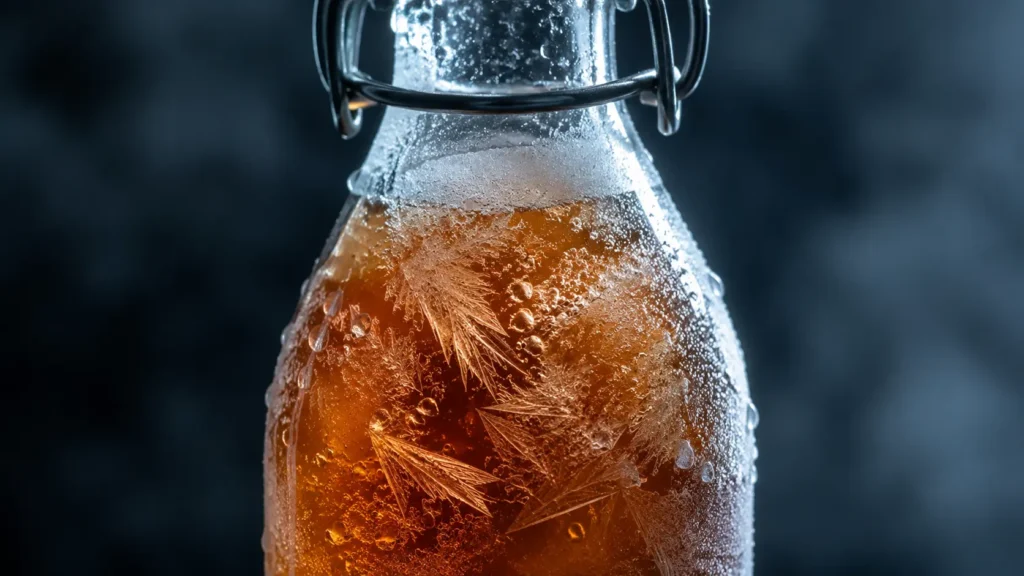
Here’s the simple mechanism: as the liquid freezes, water molecules expand and form sharp ice crystals. The cell membranes of yeast and beneficial bacteria can rupture as they expand, and ice crystals forming during the freeze can cause further damage to the bacteria. Slower freezing gives those crystals more time to grow, which is worse. Faster is better, but “better” still isn’t great.
Slowly freezing kombucha may damage some of the probiotics, but the majority should survive a short freeze. Freezing can also alter the flavor profile, and some people notice a slight change in taste because the process can affect the delicate balance of the live probiotics and yeasts present in kombucha.
What Happens to the Carbonation?
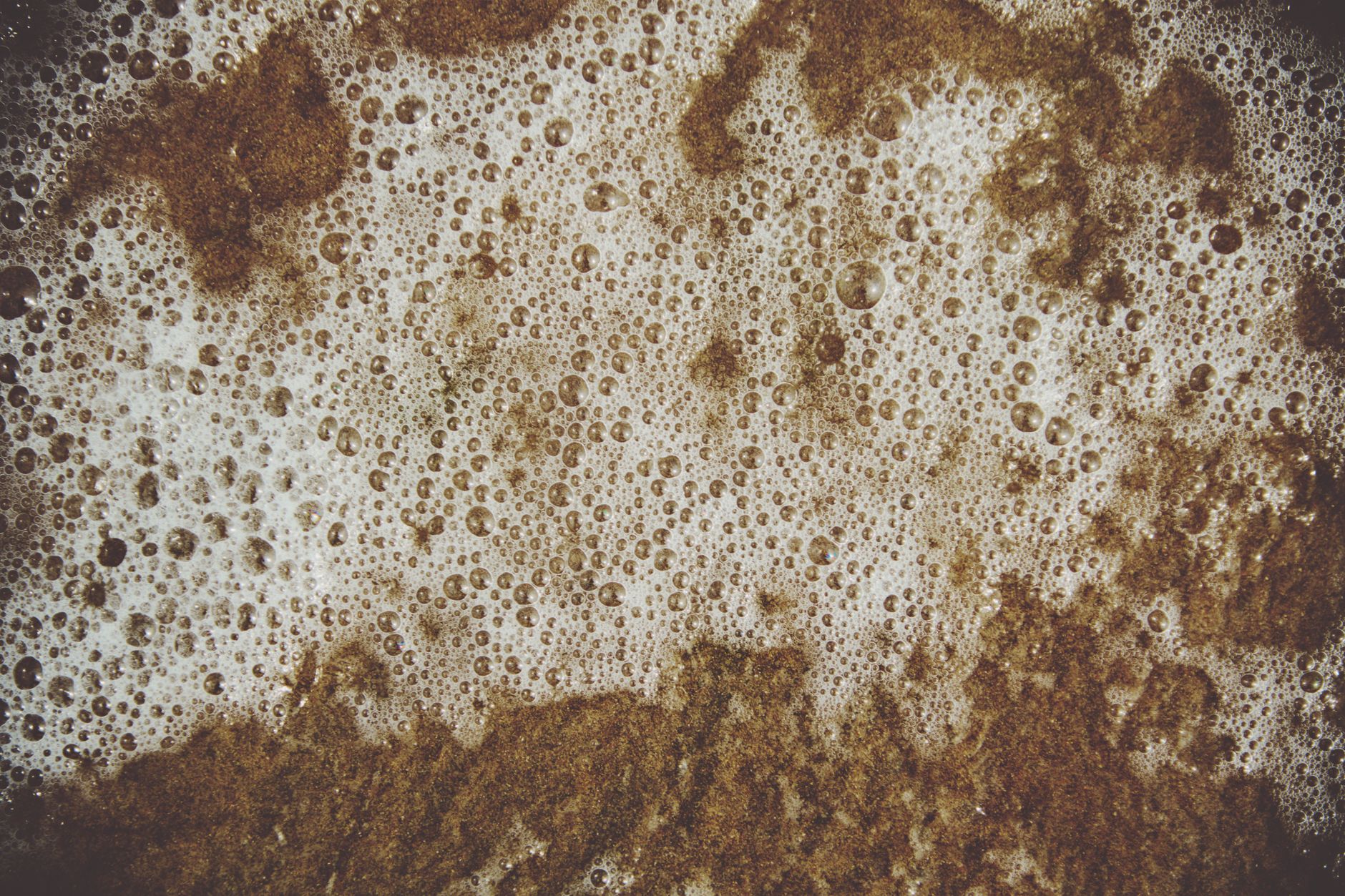
Carbonation is one of the defining characteristics of kombucha, and freezing can potentially reduce those carbonation levels. This happens because the fermentation process that keeps generating a little CO2 stops entirely at freezing temperatures.
At colder temperatures, your drink is no longer fermenting and carbonating. Once you thaw it, some of that fizz may have dissipated. It’s not flat forever, but don’t expect the same tight bubble you’d get straight from a second ferment. The longer it sits frozen, the more you lose.
Why You’d Bother Freezing Kombucha at All
Honestly, the fridge handles kombucha storage just fine for most situations. A properly sealed bottle keeps for 1 to 3 months in the refrigerator with minimal degradation. Freezing makes more sense if you’ve brewed a large batch and genuinely won’t get to it, or if you want to make kombucha popsicles or smoothie additions where fizz and live cultures are less critical.
Kombucha can be stored in the freezer for up to three months, but it’s best enjoyed sooner to preserve both flavor and probiotics. Beyond that window, you risk destroying the cultures, probiotics, and live organisms if you store it longer.
How to Freeze Kombucha (If You’re Going to Do It)
Container choice matters a lot here. Avoid plastic bottles, which can crack when the drink expands. Use glass bottles or jars with tight-fitting lids, and leave about an inch (2.5 cm) of headspace because the kombucha will expand when frozen.
Do not refreeze kombucha once it has thawed, as this increases the risk of damaging the beneficial bacteria. When you’re ready to drink it, patience helps. Don’t leave frozen kombucha out at room temperature to thaw. Put the bottles directly into your refrigerator for a few hours until they are completely thawed before drinking.
Why Freezing Your SCOBY Is a Bad Idea
This is where I have to be blunt: the freezer is not a SCOBY storage option. It feels like it should work, but the biology is against you.
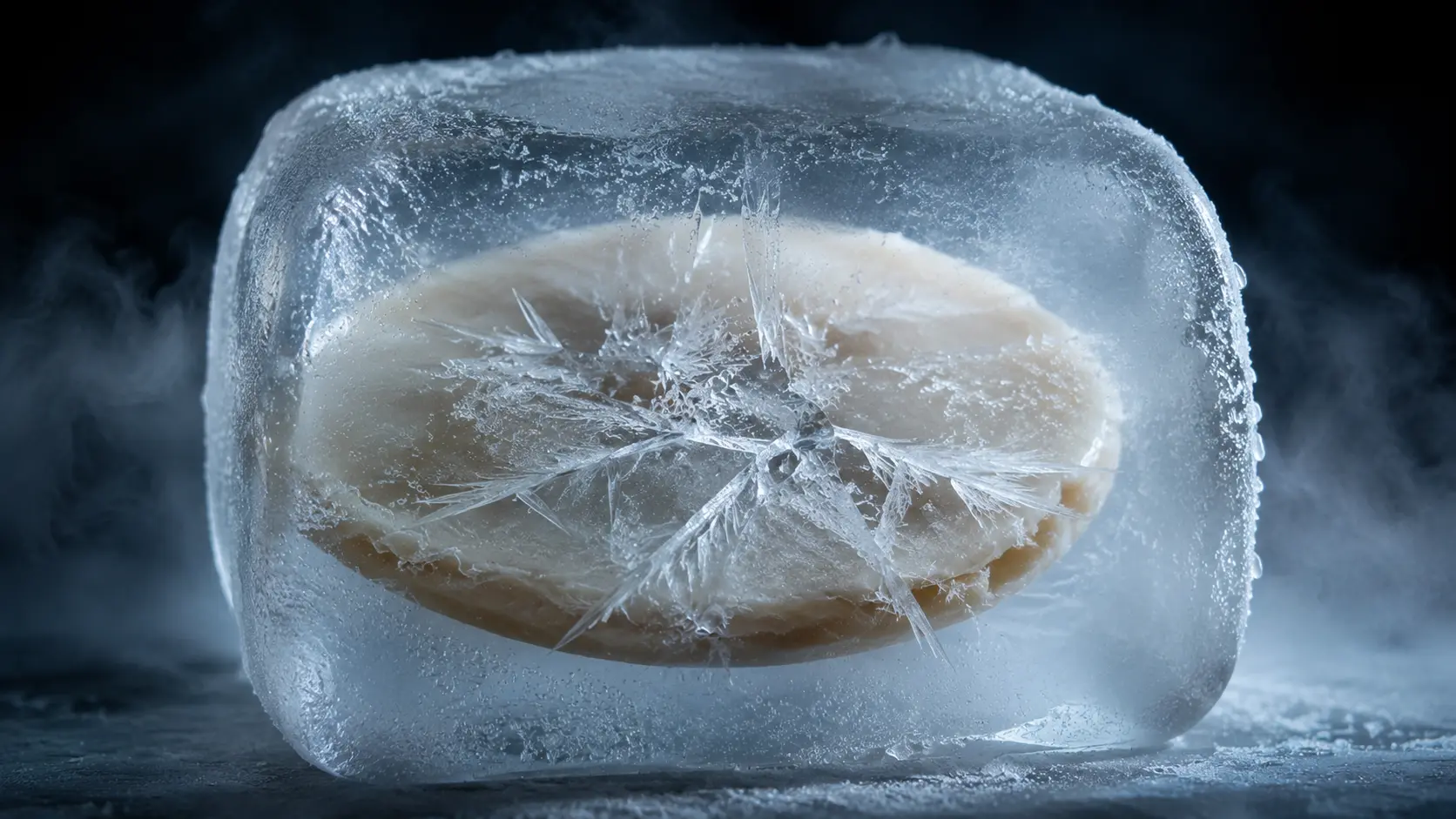
The freezing process causes ice crystals to form within the SCOBY’s cells, damaging membranes and disrupting internal functions. Many bacteria and yeast strains within the SCOBY are sensitive to freezing temperatures, which can significantly reduce their viability. The SCOBY’s cellulose structure can also be compromised by freezing, making it less effective at supporting the growth of bacteria and yeast.
Even freezing a SCOBY for a short period can negatively impact its viability. If you accidentally froze yours, check out our guide to spotting a compromised SCOBY vs. mold before deciding whether to brew with it again.
The Better Alternative: A SCOBY Hotel
If you need to step away from brewing for a while, a SCOBY hotel is the answer. A SCOBY hotel is simply a jar that holds multiple SCOBYs along with some of the kombucha liquid they were growing in, and it’s arguably the best SCOBY storage method available.
Here’s the setup: transfer a few SCOBYs into a clean glass jar and cover them with enough mature kombucha. Store in a cool, dark place away from direct sunlight. Cover the jar with a breathable cloth or coffee filter secured with a rubber band. Room temperature is the key here.
A SCOBY hotel can keep your cultures viable for up to six months. Keep the jar about half full of liquid and replace roughly half that liquid with sweet tea every month or so. That small amount of maintenance keeps the culture strong and ready to brew.
Why Protecting Those Probiotics Matters
Part of why you’re brewing in the first place is the probiotic and fermentation-derived benefit documented in peer-reviewed kombucha research. Kombucha produces acetic acid during fermentation, which may kill harmful bacteria while preserving beneficial probiotic bacteria. That’s a nice natural self-defense mechanism, but it doesn’t protect against ice crystals.
Kombucha is a fermented tea beverage produced by a SCOBY, offering polyphenols, organic acids, and microbial metabolites. While widely promoted for gut and metabolic health, robust human evidence remains limited. A controlled study published in Scientific Reports found that four weeks of daily kombucha shifted gut bacteria toward beneficial species, including SCFA-producing taxa like Bifidobacterium and Prevotella. Killing off your cultures in the freezer means missing out on those active microorganisms entirely.
For a deeper look at what those cultures do and why the SCOBY is more than just a rubbery disc, Healthline’s guide to kombucha SCOBY health covers the biology well.
Quick Freeze Tips If You Still Want to Do It
- Use glass containers only, never plastic, and leave at least 1 inch (2.5 cm) of headspace.
- Freeze as fast as possible to minimize ice crystal size and probiotic damage.
- Keep frozen kombucha for no more than 3 months.
- Thaw slowly in the refrigerator, never at room temperature or in the microwave.
- Never refreeze. One freeze cycle is the limit.
- Accept that some fizz and some live cultures won’t make it through.
If fizz is the main reason you love your brew, you’re better off just keeping it chilled. Our full guide on how to brew kombucha walks through every step, including how to nail carbonation during the second ferment so you’re not starting with a subpar batch to begin with.
More guides, troubleshooting tips, and brewing deep-dives live over at Kommbucha’s home brewing resource hub if you want to keep exploring.
Q: Can you freeze kombucha to make it last longer?
A: You can, but the fridge is almost always the better choice. Refrigerated kombucha keeps for 1 to 3 months with far less damage to carbonation and probiotics. Freeze only if you truly have no other option, and use it within 3 months.
Q: Will freezing kombucha kill the probiotics?
A: It may kill some, but not all. Slow freezing is harder on bacteria because ice crystals have more time to grow and rupture cell membranes. Fast freezing is less damaging, but there’s no method that fully guarantees probiotic survival through a home freeze-and-thaw cycle.
Q: Can I freeze my SCOBY?
A: No. Freezing is one of the few things that can genuinely ruin a SCOBY. The ice crystals formed during freezing damage the cellulose structure and kill off the bacteria and yeast strains the culture depends on. Use a SCOBY hotel at room temperature instead.
Q: How do I store my SCOBY if I’m taking a break from brewing?
A: Set up a SCOBY hotel: a glass jar with your SCOBY submerged in mature kombucha, covered with a breathable cloth, stored somewhere cool and dark at room temperature. Feed it with a little sweet tea every month or so, and it can stay viable for up to six months without much fuss.
Q: Does frozen kombucha still have health benefits?
A: Some, yes. The organic acids, polyphenols, and antioxidants produced during fermentation survive freezing reasonably well. What you risk losing are the live, active microorganisms. If kombucha’s probiotic potential is why you drink it, the fridge is a much better storage method than the freezer.
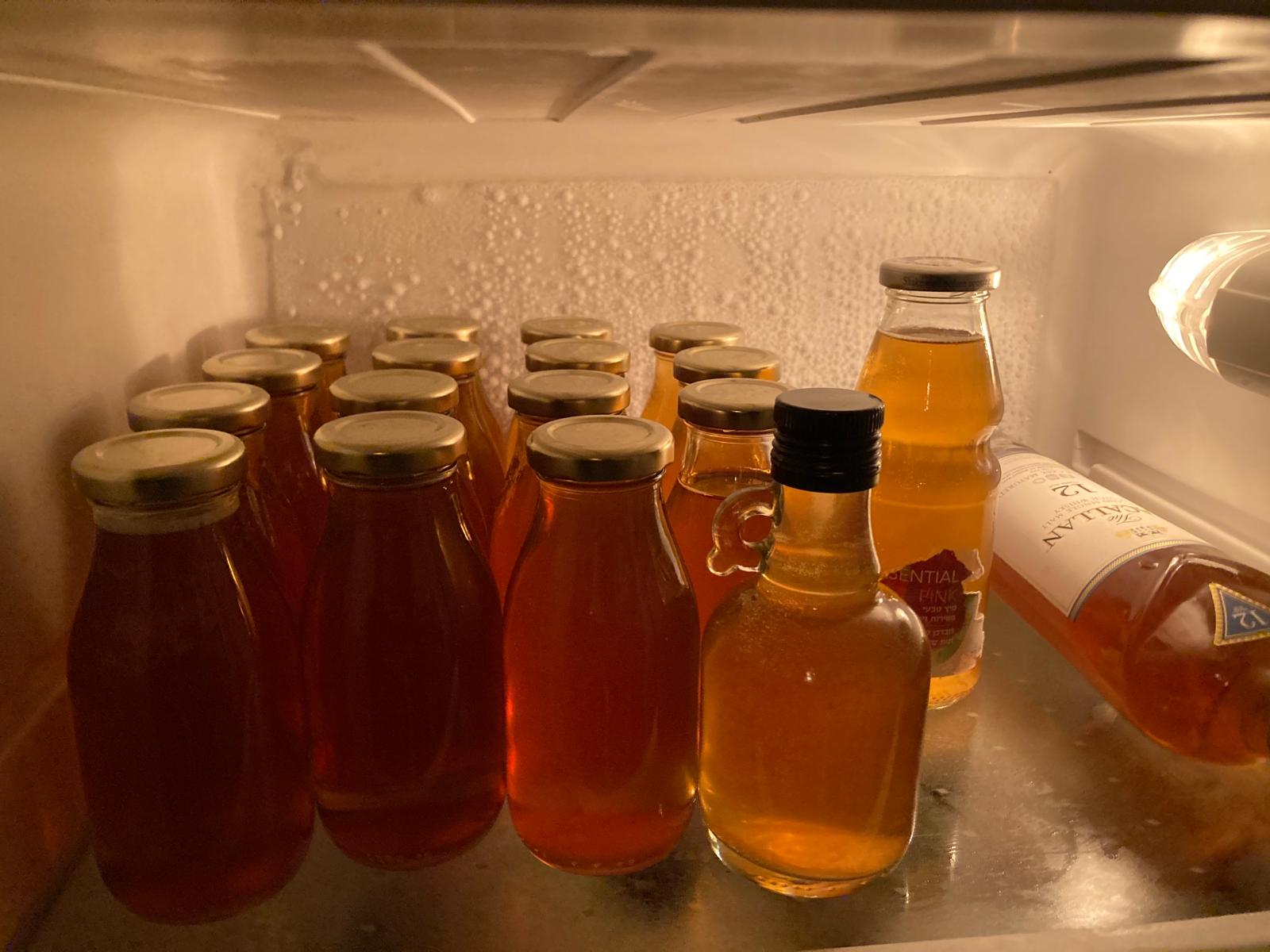
Home kombucha brewer based in Tel Aviv with 6+ years of experience and 500+ batches brewed. I started Kommbucha.com because the information online was scattered or just plain wrong — I wanted advice from someone who actually brews. My kombucha is sold at local Tel Aviv coffee shops and been gifted many times in Detroit, Michigan .