

✍️ Written & Updated by Ofir The Fermenter · 📅 September 27, 2026
If you’ve ever felt a knot in your stomach before a stressful event, you already have a sense of the gut-brain connection. The question is whether kombucha, a fermented tea with live bacteria, can actually do anything useful along that pathway when anxiety is the concern.
The honest answer is: possibly, indirectly, and not in the way most wellness headlines suggest. Let’s go through the real science.
What the Gut-Brain Axis Actually Is
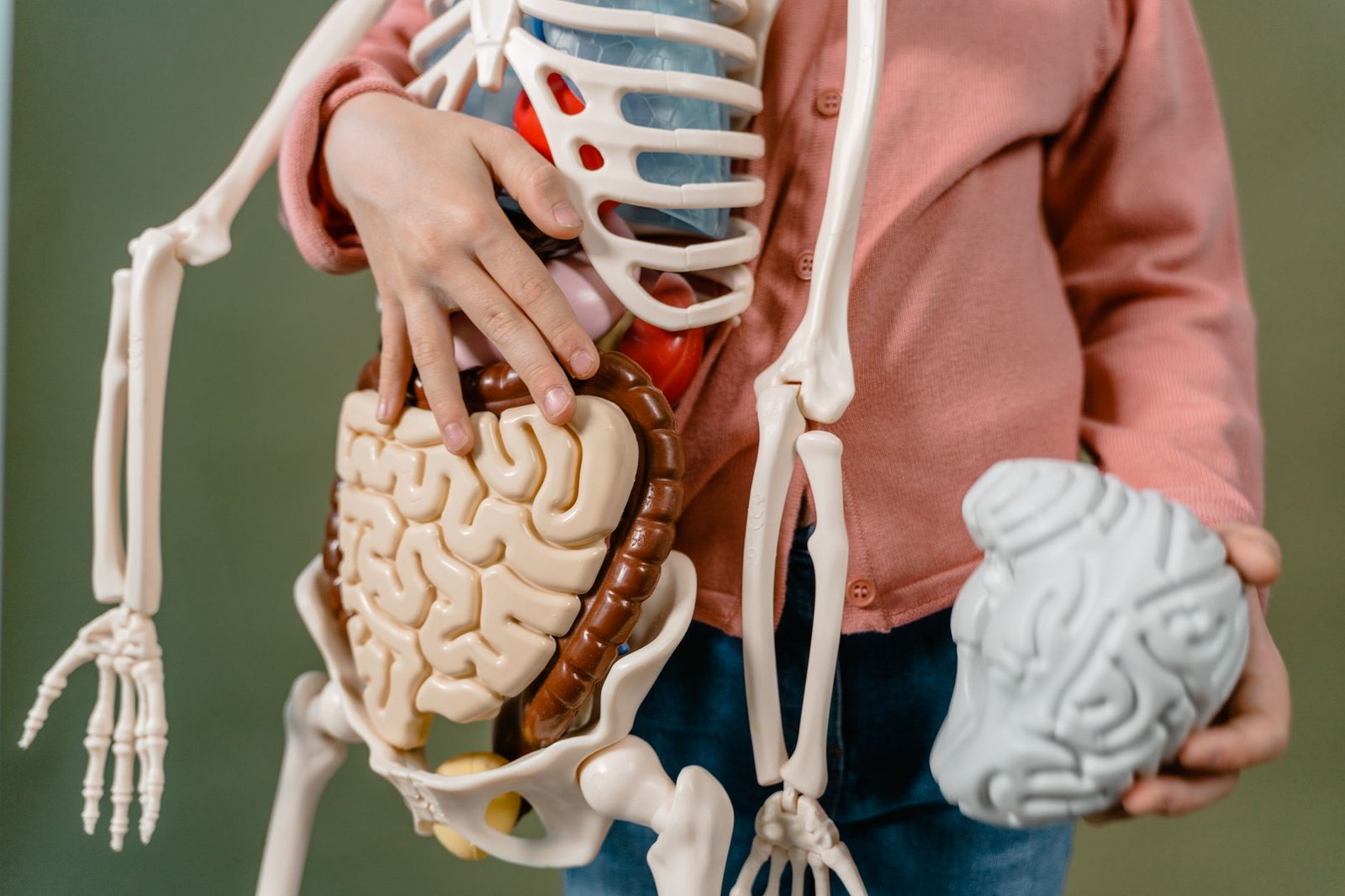
The gut-brain axis is not a metaphor. It is a bidirectional communication network between your gastrointestinal tract and your central nervous system.
The gut microbiota, comprising trillions of microorganisms, is essential for digestion, immune regulation, and metabolism. It also participates in bidirectional communication with the brain via this axis, influencing behavior and psychological states.
Anxiety disorders receive significant global attention because of their complex origins and the limited effectiveness of existing therapies. Research is increasingly recognizing that anxiety involves gut microbiota changes alongside neurochemical brain alterations.
How Gut Bacteria Actually Signal the Brain
The mechanism matters here, so it is worth a closer look. Gut bacteria produce metabolites and neurotransmitters that travel upward through several routes.
This communication system is facilitated by microbial metabolites, neurotransmitters, and immune interactions. Research links gut dysbiosis directly to psychiatric disorders, including anxiety, depression, and stress-related conditions.
Key findings indicate that altered microbial diversity, decreased short-chain fatty acid (SCFA) production, and increased neuroinflammation contribute to mental health disturbances. The mechanisms include microbial neurotransmitter synthesis, vagus nerve signaling, and HPA axis modulation.
Gut microbes convert dietary compounds into short-chain fatty acids and neurotransmitter precursors. Those molecules reach the brain via the vagus nerve and bloodstream, shaping how the brain registers threat and stress.
A dysregulated HPA axis is a central feature of many anxiety disorders. Diet shapes the microbiome, the microbiome shapes the HPA axis, and the HPA axis shapes how you respond to threat.
Where Kombucha Fits Into This Picture
Kombucha is brewed by fermenting sweet tea with a SCOBY, a symbiotic culture of bacteria and yeast. The fermentation involves a complex microbial consortium.
Because kombucha contains live bacteria and has a low pH that can affect gut conditions, researchers have looked at its effects on the microbiome. A 2025 review of kombucha research in Frontiers shows it does modulate gut bacteria in measurable ways.
Fecal samples from study participants show increases in beneficial bacteria, including Akkermansiaceae, which help maintain the protective mucus layer in the gut, and Bacteroidota. Some inflammatory-associated bacteria decrease.
Kombucha’s positive effects on health are grounded in its polyphenols, organic acids, probiotics, and biologically active ingredients working together.

The Polyphenol and SCFA Angle
Phenolic compounds in kombucha are largely unabsorbed in the small intestine and reach the colon intact, where they act as prebiotics. They enhance microbial diversity and SCFA production, particularly butyrate and acetate.
This matters for anxiety because inflammation plays a key role in anxiety disorders. Elevated inflammatory signals, such as cytokines and C-reactive protein, have been observed in generalized anxiety disorder, PTSD, and panic disorder.
Fermented foods can serve as a valuable dietary strategy for managing chronic inflammation associated with anxiety. Kombucha, as a polyphenol-rich fermented food, fits within that broader category.
What About L-Theanine and GABA?
You will often see kombucha marketed on the back of L-theanine, a calming amino acid naturally present in tea. The reality is more complicated.
- L-theanine in tea: L-theanine promotes relaxed alertness by modulating GABA, dopamine, and serotonin pathways.
- L-theanine after fermentation: L-theanine was no longer detectable after fermentation and digestion, suggesting limited bioaccessibility in finished kombucha.
- GABA from fermentation: Microbes in fermented foods can produce GABA within the gut, presenting a promising mechanism for influencing brain function.
Do not rely on kombucha as a delivery vehicle for L-theanine. Brew it for the live cultures and organic acids instead.
Fermented Foods and Anxiety: The Human Evidence
There are no completed randomized trials testing kombucha specifically against anxiety in humans. No clinical evidence currently shows that kombucha improves anxiety, depression, or cognitive function in humans.
The wider category of fermented foods looks more promising. Fermented foods may alleviate symptoms of depression and anxiety, according to a 2024 review in Microbial Biotechnology, though larger clinical trials are still needed.
Observational studies analyzing broad fermented food consumption showed a clear separation of gut microbiota profiles between consumers and non-consumers, along with lower anxiety scores among regular consumers.
One mouse study went a step further. Kombucha consumption modulated the gut microbiome and metabolome and decreased depressive behaviors in mice. Mouse data does not translate directly to human outcomes, but it points research in a useful direction.
A Brewing Note on Consistency
Gut benefits from kombucha likely depend on consistent consumption. These microbial benefits seem to require continuous consumption. The microbes from the SCOBY do not permanently colonize your gut. They pass through.
This tracks with real experience. Colder temperatures slow the SCOBY down significantly, and the resulting brew has a noticeably different microbial character. Temperature and process consistency shape what you actually drink.
If you want any potential gut benefit, daily or near-daily intake of around 8 ounces (240 ml) is a reasonable working target, not a one-time glass.
Is Kombucha Enough on Its Own?
No single food addresses anxiety. Whether kombucha can be genuinely helpful in the anxiety context depends on how it fits into your broader diet and lifestyle.
The gut-brain connection is real, but it is one variable among many. Sleep, exercise, and overall dietary diversity all shape the same microbiome that kombucha nudges. Our breakdown of the benefits of kombucha covers the broader research landscape.
Kombucha is also worth considering alongside digestion generally. The same microbial shifts that may support mood also help with gut motility and gut barrier integrity. Our piece on whether kombucha helps digestion covers that angle in more depth.
Practical Takeaways
The Bottom Line on Kombucha and Anxiety
The gut-brain axis is a well-documented bidirectional signaling network between your digestive system and your central nervous system. It is real neuroscience, not wellness mythology.
Kombucha acts on the gut environment through live microbes, organic acids, and polyphenols. Extensive research has established the association between the gut microbiota and anxiety disorders. The knowledge gap is shifting from whether there is a correlation to how it functions and how to intervene.
Kombucha is worth including in a gut-supportive diet. Just be clear about what it is: a useful food, not a treatment.
Q: Can kombucha reduce anxiety?
A: Not directly, based on current evidence. No clinical trial has shown kombucha specifically reduces anxiety in humans. It may support the gut microbiome, which communicates with the brain via the gut-brain axis, but that indirect pathway has not yet been tested in anxiety-focused human trials. It should complement, not replace, professional care.
Q: What is the gut-brain axis?
A: It is a two-way communication system linking your gut microbiota to your central nervous system through neural, immune, endocrine, and metabolic pathways. The vagus nerve is a key highway in this network. Research increasingly links changes in gut bacteria to anxiety disorders and other mental health conditions.
Q: Does kombucha contain GABA or L-theanine?
A: L-theanine, present in tea, is largely degraded during fermentation and digestion, so kombucha is not a reliable source. Fermentation microbes can produce GABA, but evidence that dietary GABA directly reduces anxiety in humans remains limited. The polyphenols and live cultures are the more credible active components.
Q: How much kombucha should I drink for gut health?
A: A consistent daily serving of around 8 ounces (240 ml) is a reasonable starting point. The microbes from kombucha do not permanently colonize the gut, so regular intake matters more than a large occasional dose. Start with a smaller amount if you are new to fermented foods to let your gut adjust.
Q: Are fermented foods in general good for anxiety?
A: The evidence is more developed for fermented foods broadly than for kombucha specifically. Observational studies show lower anxiety scores in regular fermented food consumers, and some animal data links Lactobacillus strains to reduced anxiety-like behavior. Human intervention trials are still catching up, and results have been mixed across different food types.
Ofir is a brewer, not a doctor, so anyone with a medical concern should talk to a healthcare professional.

Home kombucha brewer based in Tel Aviv with 6+ years of experience and 500+ batches brewed. I started Kommbucha.com because the information online was scattered or just plain wrong — I wanted advice from someone who actually brews. My kombucha is sold at local Tel Aviv coffee shops and been gifted many times in Detroit, Michigan .