
✍️ Written & Updated by Ofir The Fermenter · 📅 September 28, 2026
Both drinks are cold, bubbly, and easy to grab at any grocery store. But they are very different under the label. One is water with CO₂; the other is a living fermented tea.
What Is Actually in Each Drink?
Sparkling water is simple: water plus carbon dioxide pressed in under pressure.
Kombucha is far more complex. After fermentation, it contains organic acids (acetic, gluconic, lactic, and glucuronic acids), polyphenols, B vitamins, minerals, and amino acids.
The source of its fizz matters too. During fermentation, yeast produces invertase, breaking sucrose into glucose and fructose. Bacteria metabolize these compounds to form acetic acid and gluconic acid.

How Acetic Acid Gets Made (the Simple Version)
During fermentation, sucrose is hydrolyzed by yeast into fructose and glucose, which become ethanol. Acetic acid bacteria oxidize the ethanol to produce acetic acid, lowering pH and creating kombucha’s sour taste.
That tang is not just flavor. Acetic acid is the same compound found in vinegar and plays a role in the drink’s antimicrobial properties. Fermented tea also contains antioxidants that protect your cells from damage.
Sugar and Calories: A Real Difference
Sparkling water has zero sugar and zero calories. Kombucha has some of both, because fermentation does not consume every gram of sugar.
An 8-ounce (237 mL) serving of unflavored kombucha has about 30 calories, 2 to 3 grams of sugar, and a small amount of caffeine. Flavored store-bought bottles often run higher.
Most brands land at 5 to 8 grams of sugar per serving, a fraction of a typical soft drink or juice. If you are tracking macros tightly, sparkling water wins on both counts.
Choosing a Store-Bought Kombucha Closest to Sparkling Water
If you like the idea of kombucha but want something closer to the clean profile of sparkling water, the label tells you most of what you need to know.
- Sugar per bottle, not per serving: Many bottles hold 16 oz but list sugar for 8 oz. Double the number if you drink the whole thing.
- Refrigerated and unpasteurized: Live cultures need cold storage. Shelf-stable bottles are often pasteurized, which kills the original cultures, and some brands add cultures back afterward.
- Short ingredient list: Tea, sugar, and culture, plus fruit or juice for flavor. Added sweeteners or lots of juice push the sugar up.
Not sure where to start? I’ve compared the healthiest kombucha brands on sugar, ingredients, and whether they’re raw or pasteurized.
What the Research Says About Kombucha and Your Gut
Kombucha contains live bacteria and yeast from fermentation. Multiple human clinical trials show it measurably changes the gut microbiome. A randomized controlled trial found that 8 weeks of daily kombucha shifted gut bacteria toward beneficial short-chain fatty acid producers.
One finding stood out. Drinking unpasteurized kombucha with a high-GI meal dropped the meal’s glycemic index from 86 to 68 and the insulin index from 85 to 70.
As a 2023 study on kombucha’s pharmacological activities details, the bioactive compounds in kombucha, including organic acids and polyphenols, drive most of its studied effects. That said, scientific research backing many health claims is still limited.
What Sparkling Water Does Well
Sparkling water is not just “kombucha without the benefits.” It has its own strengths.
- Zero sugar, zero calories: The cleanest hydration option if you want absolutely nothing added.
- Gut comfort: Carbonation may stimulate the nerves involved in swallowing and improve digestive comfort.
- Appetite support: Sparkling water can promote a feeling of fullness, which may help with appetite control.
- Safe for teeth (mostly): Plain sparkling water and regular water are about the same in their effects on tooth enamel.
One caveat: most people drink flavored versions, which manufacturers acidify with citric or malic acid. A flavored sparkling water can have a pH as low as 2.5, lower than cola. Always check the ingredient list.
Head-to-Head: Kombucha vs Sparkling Water
Taste: Where Your Tea Choice Actually Matters
When green-tea and black-tea kombucha batches line up side by side, the green-tea brew comes out noticeably lighter and less tangy. Green tea kombucha ferments slower, producing a higher sugar-to-acid ratio and sweeter taste.
If you want something closer to the mild fizz of sparkling water, green-tea kombucha is the better starting point. To learn how to brew kombucha at home and control flavor variables yourself, our full guide walks you through each step.
Who Should Choose Which?
Sparkling water is the better choice if you want zero sugar, zero calories, and no strong flavor.
Kombucha is the better choice if you want live cultures, the antioxidants from tea, and a drink with documented gut effects. For a full rundown of those effects, our benefits of kombucha page covers the research in detail.
Practically, many people drink both. Sparkling water through the day for hydration, and a small glass of kombucha with a meal for functional benefits.
Q: Is kombucha more hydrating than sparkling water?
A: No, both hydrate similarly. Sparkling water is pure hydration with no extras. Kombucha contains small amounts of sugar, organic acids, and caffeine, but its water content still contributes to your fluid intake. For hydration alone, plain sparkling water is more efficient.
Q: Does kombucha have more sugar than sparkling water?
A: Yes. Plain sparkling water has zero sugar. Kombucha typically has 2 to 8 grams per serving, depending on the brand and fermentation time. That is still far less than soda or juice, but it is a real difference worth noting if you are managing sugar carefully.
Q: Is kombucha bad for your teeth compared to sparkling water?
A: Kombucha is more acidic than plain sparkling water because of its organic acids. Both are safer than soda. Drinking either with a meal or rinsing with plain water afterward reduces enamel contact time. Flavored sparkling waters with citric acid can be just as acidic as kombucha, so always read the label.
Q: Can kombucha replace sparkling water as a daily drink?
A: It can, but most people would not recommend going all-day on kombucha. The sugar and acidity add up. A common approach is one 8-ounce (237 mL) glass of kombucha per day and plain sparkling water or still water for the rest of your hydration needs.
Q: Does sparkling water have any probiotic benefits?
A: Standard sparkling water has no probiotics. It is carbonated water, nothing more. Some newer products marketed as probiotic sparkling water do add live cultures, but their culture counts tend to be lower than in real fermented kombucha, and they lack the organic acids and antioxidants from tea fermentation.
Ofir is a brewer, not a doctor, so anyone with a medical concern should talk to a healthcare professional.
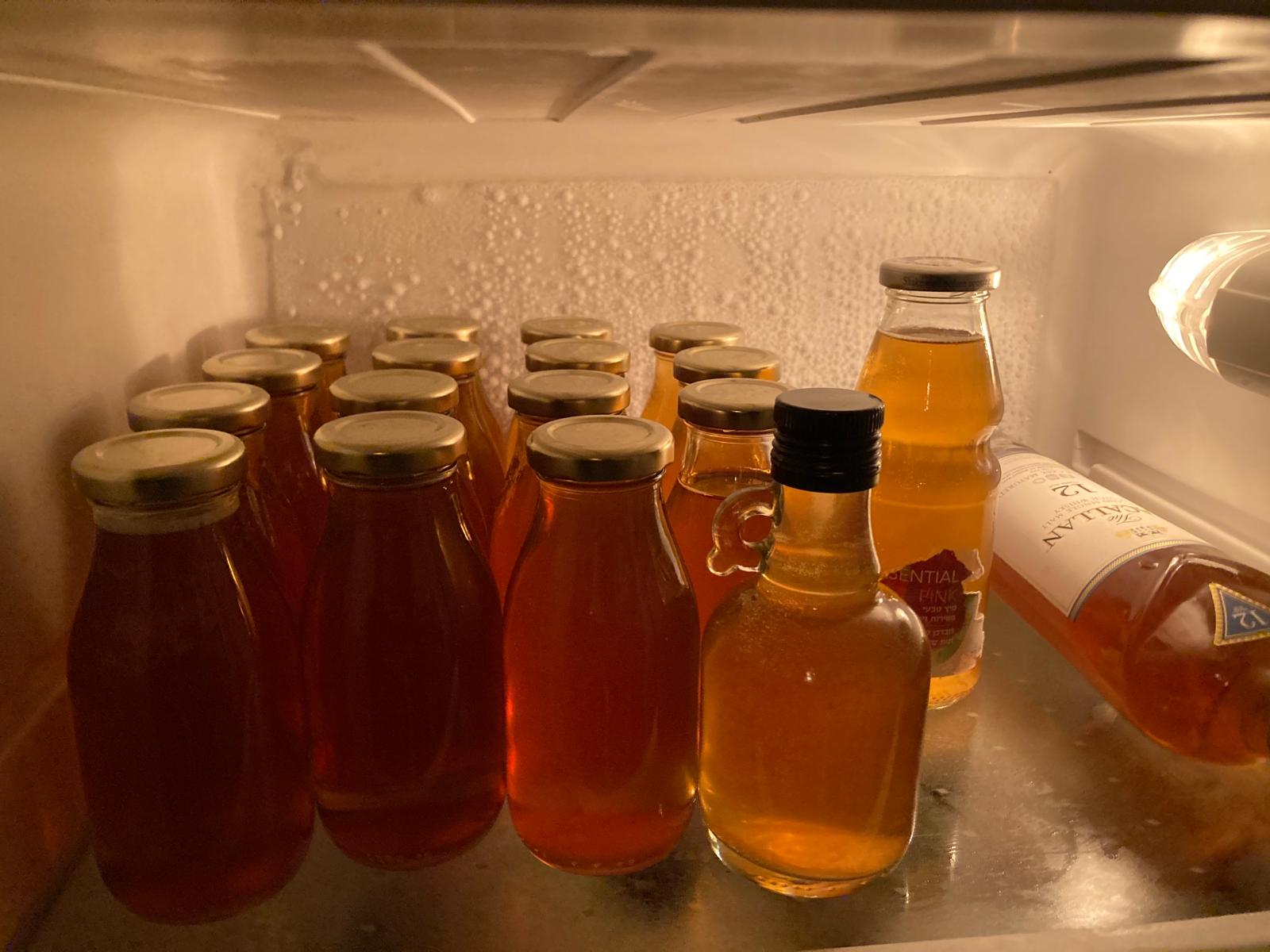
Home kombucha brewer based in Tel Aviv with 6+ years of experience and 500+ batches brewed. I started Kommbucha.com because the information online was scattered or just plain wrong — I wanted advice from someone who actually brews. My kombucha is sold at local Tel Aviv coffee shops and been gifted many times in Detroit, Michigan .