
✍️ Written & Updated by Ofir The Fermenter · 📅 September 25, 2026
Kombucha has gone from a niche home-brew hobby to a mainstream health drink. With that rise comes a question I hear often: is it actually addictive, or is the daily craving just habit?
The short answer is no, kombucha is not chemically addictive. The longer answer involves alcohol, caffeine, the gut microbiome, and human psychology.
What “Addictive” Actually Means
Addiction has a clinical definition. It involves compulsive use, loss of control, and continued use despite harm.
Kombucha does not contain compounds that are addictive at dependency-forming levels. It is not chemically addictive like alcohol or drugs.
Does the Alcohol in Kombucha Create Dependence?
Fermentation naturally produces ethanol, the same type of alcohol found in beer, wine, and spirits.
Most commercially available kombucha contains less than 0.5% alcohol by volume (ABV). This categorizes it as non-alcoholic under U.S. federal law.
Since the alcohol content is dramatically low, you most likely will not get tipsy or drunk unless drinking bottle after bottle continuously.
That 0.5% ABV threshold is roughly ten times lower than a standard beer. The alcohol alone cannot drive dependence at those levels.
Home Brew Warning: ABV Can Climb
Home brews can exceed the commercial 0.5% threshold. Fermentation always produces some alcohol, and longer ferments mean higher ABV.
Some kombucha is pasteurized to stop fermentation. Others continue fermenting after bottling, increasing alcohol levels over time.
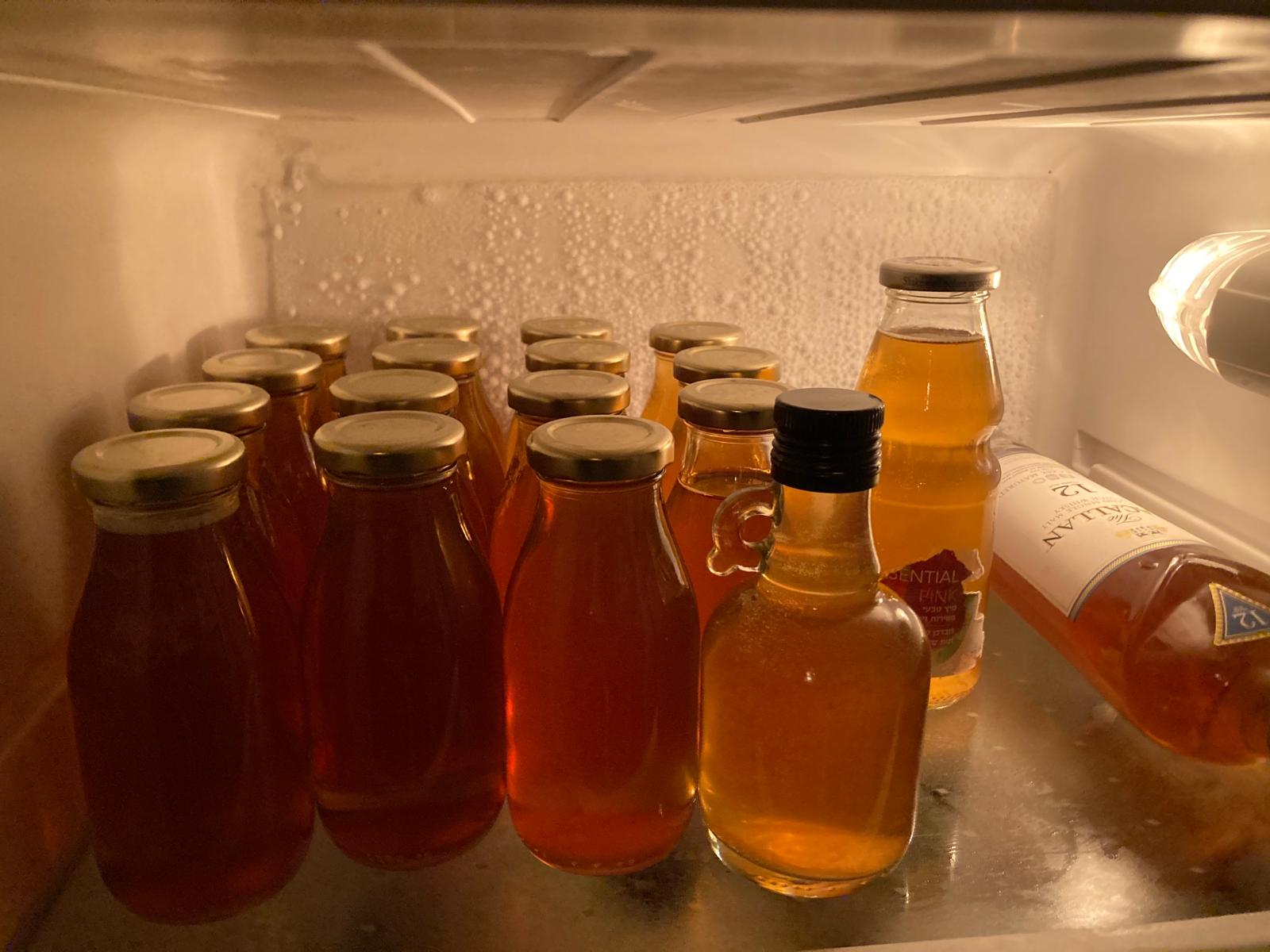
I keep swing-top bottles for second ferment, and a single extra day on the counter changes the fizz completely. The same applies to alcohol: longer ferment means higher ABV.
This matters if you are in recovery or monitoring intake. Homemade kombucha may have unpredictable alcohol content, increasing relapse risk for people with alcohol use disorder.
What About Caffeine?
Kombucha is brewed from tea, so it naturally contains some caffeine. It retains roughly a third of the tea’s caffeine.
An 8 fl oz (240 mL) serving of unflavored kombucha has about 30 calories, 2 to 3 grams of sugar, and small amounts of caffeine.
Caffeine is habit-forming for some people. But “habit-forming” and “addictive” are not the same thing clinically.
How Fermentation Works
During fermentation, yeast converts sugar into ethanol and carbon dioxide. Bacteria then convert the ethanol into organic acids.
These acids include acetic acid (which gives vinegar its tang), lactic acid, and gluconic acid. Bacteria essentially consume most of the alcohol and convert it into acids.
That is why finished kombucha is so low in ABV. The result is a fizzy, tangy drink with live microorganisms, organic acids, B vitamins, and small amounts of caffeine.
Why People Think They’re “Addicted”
If it is not the alcohol or chemistry, why do so many feel they cannot skip their daily kombucha?
- Taste and carbonation: The fizz and acidity are satisfying. Carbonated drinks trigger oral sensory responses that become conditioned habits.
- Caffeine routine: Black-tea kombucha drinkers may develop a mild caffeine routine, similar to low-dose tea drinking.
- Gut feedback: Regular drinkers report digestive comfort from probiotics or organic acids, creating learned associations.
- Ritual: Some enjoy the flavor, believe in health benefits, or find the habit ritualistic.
None of these are addiction. They are habit, a completely different mechanism.
Is There Real Gut Science Behind the Craving?
The gut-brain connection is real, though kombucha research is still early. Kombucha is a fermented food with encouraging research behind it.
A controlled trial published in Scientific Reports found that kombucha consumption increased relative abundance of Weizmannia and short-chain fatty acid producing taxa. A short-term intervention showed modest impacts on gut microbiome composition.
Little evidence exists broadly on kombucha benefits and safety. Most exciting findings come from animal studies or small human trials. Be skeptical of sweeping health claims. Our page on the benefits of kombucha covers what the evidence actually shows.
What About People in Recovery?
This group warrants real caution. Kombucha’s fermented nature and trace alcohol might create psychological associations for someone recovering from addiction.
If newly sober and experiencing strong cravings, kombucha may trigger relapse. Anyone in a structured recovery program should discuss kombucha with their treatment team first.
Safe Amounts: What the Data Suggests
According to the U.S. Human Performance Resources review of kombucha benefits and risks, around 4 fl oz (120 mL) daily is unlikely to cause harm in healthy adults.
Our deeper look at whether kombucha is healthy covers the full picture. For potential downsides, see our guide on kombucha side effects before drinking daily.
The Bottom Line
Kombucha does not contain enough alcohol, caffeine, or any compound to cause clinical addiction in healthy adults. It produces a genuine daily habit.
That habit is not a problem for most people. It warrants attention only for those in alcohol recovery, those who are pregnant, or anyone with sensitivity to fermented foods.
Enjoy it for what it is: a fizzy, fermented tea with modest evidence and a pleasantly sour kick. Not a drug. Not a cure. Just a good drink.
Q: Is kombucha physically addictive?
A: No. Kombucha does not contain compounds known to cause physical dependence. Its alcohol content is below 0.5% ABV in commercial products, and its caffeine is roughly a third of brewed tea. Regular drinking is habit-based, not driven by neurochemical addiction. Most healthy adults can stop without withdrawal symptoms.
Q: Can kombucha trigger relapse for someone in alcohol recovery?
A: Possibly. Even trace alcohol can create psychological associations for people with alcohol use disorder. Those in early recovery should consult their treatment team first. Home-brewed versions carry extra risk due to unpredictable ABV levels.
Q: Why do I crave kombucha every day?
A: Daily cravings are most likely behavioral. Carbonation, tartness, mild caffeine, and consistent routine create a conditioned habit. Some drinkers also associate kombucha with digestive comfort, reinforcing the urge. None of this meets the clinical definition of addiction.
Q: Does kombucha show up on a breathalyzer or drug test?
A: Possibly. Kombucha produces trace ethanol. ETG tests may detect ethyl glucuronide, produced when the body processes alcohol. A breathalyzer soon after drinking kombucha could show a false positive. If drug testing is a concern, disclose your kombucha intake to the testing administrator.
Q: How much kombucha is safe to drink daily?
A: Around 4 fl oz (120 mL) per day is most commonly cited as unlikely to cause harm in healthy adults. Larger daily amounts may cause side effects from acidity, sugar, or trace alcohol. Pregnant people, those immunocompromised, and people in recovery should seek medical advice first.
Ofir is a brewer, not a doctor, so anyone with a medical concern should talk to a healthcare professional.
Home kombucha brewer based in Tel Aviv with 6+ years of experience and 500+ batches brewed. I started Kommbucha.com because the information online was scattered or just plain wrong — I wanted advice from someone who actually brews. My kombucha is sold at local Tel Aviv coffee shops and been gifted many times in Detroit, Michigan .