

✍️ Written & Updated by Ofir The Fermenter · 📅 September 23, 2026
The honest answer is: it depends on your goals and your gut. Kombucha can fit both slots in a workout routine, but the timing matters more than most people think. Here’s how I sort it out in my own brewing and drinking practice.
What’s Actually in Kombucha That Matters for Exercise?
Before deciding on timing, it helps to know what you’re working with. Kombucha is not a sports drink. It’s a fermented tea with a useful nutrient profile for active people.
Research has identified compounds in kombucha including acetic acid, gluconic acid, lactic acid, vitamin C, and B vitamins. These also include catechins and flavonols from tea.
B vitamins act as coenzymes that catalyze reactions in the body. They help generate ATP in cell mitochondria, which powers muscle contraction and other energy-demanding functions.
Kombucha also typically contains trace amounts of sodium, potassium, and magnesium. These are electrolytes, though in modest quantities.
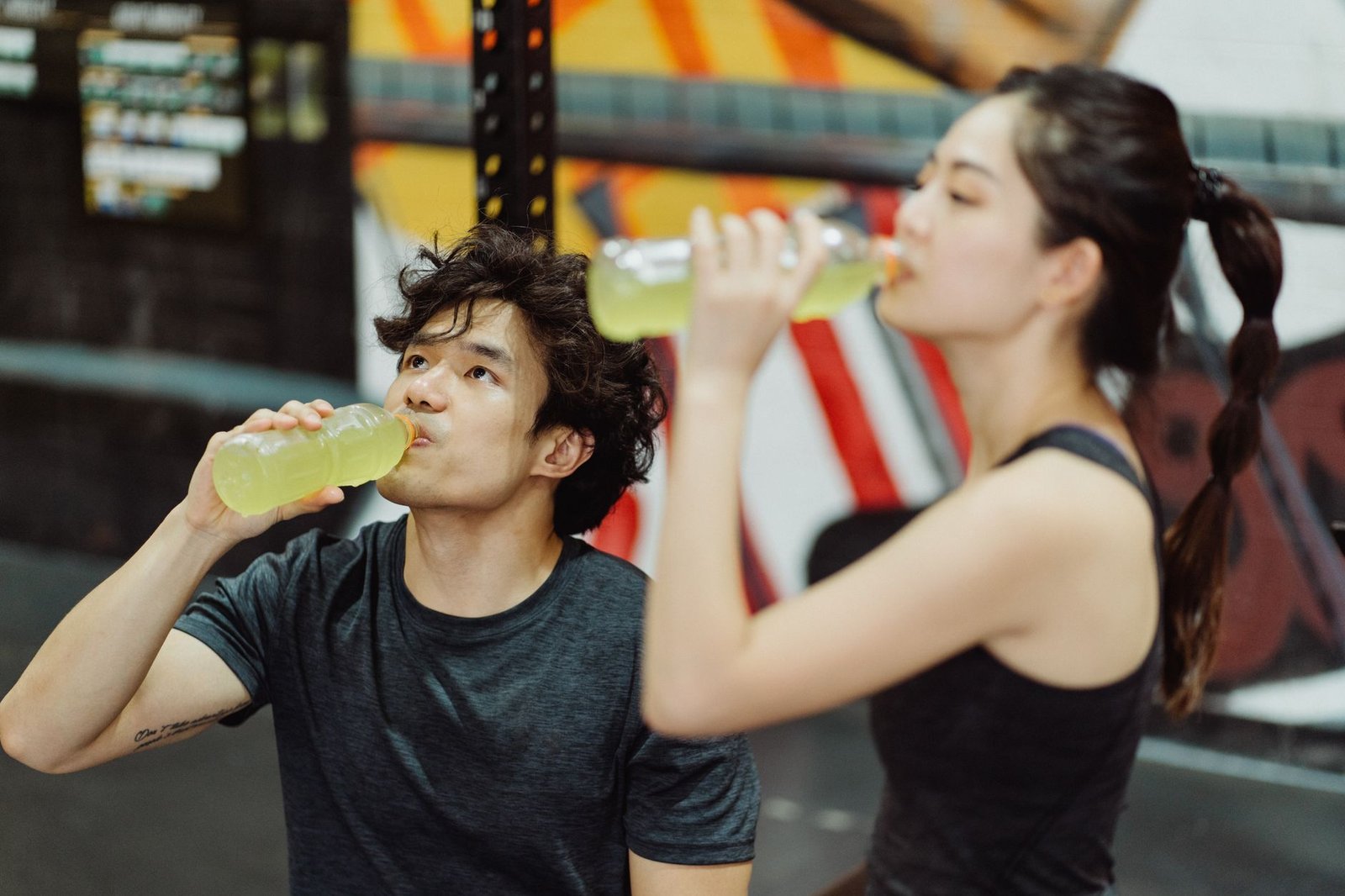
Kombucha Before a Workout: The Case For It
Drinking kombucha pre-workout can provide a natural energy boost. Trace caffeine and B vitamins help improve mental focus and alertness during training.
The lift is gentle, not a jolt. Think of it as a light caffeine nudge rather than a pre-workout powder hit.
This appeals if you train in the morning and want something lighter than coffee. Kombucha provides a gentle energy lift through B vitamins and naturally occurring caffeine from tea.
If you’re curious whether kombucha fits a broader healthy lifestyle, our is kombucha healthy deep-dive covers the full picture.
The Carbonation Problem: A Real Caveat
Here’s where I’d pump the brakes. Carbonation and intense exercise don’t always mix well.
Health coach Sarah Walls notes: “I would not recommend it before a workout because there is so much natural carbonation that it may leave the stomach unsettled as you start training.”
When you drink kombucha quickly or on an empty stomach, you may swallow excess gas. This leads to temporary bloating and pressure in the abdomen.
That pressure is the last thing you want mid-run or mid-lift. If you do drink it pre-workout, keep the portion small. Sip 4 to 6 ounces (120 to 180 mL) at least 30 to 45 minutes before training.
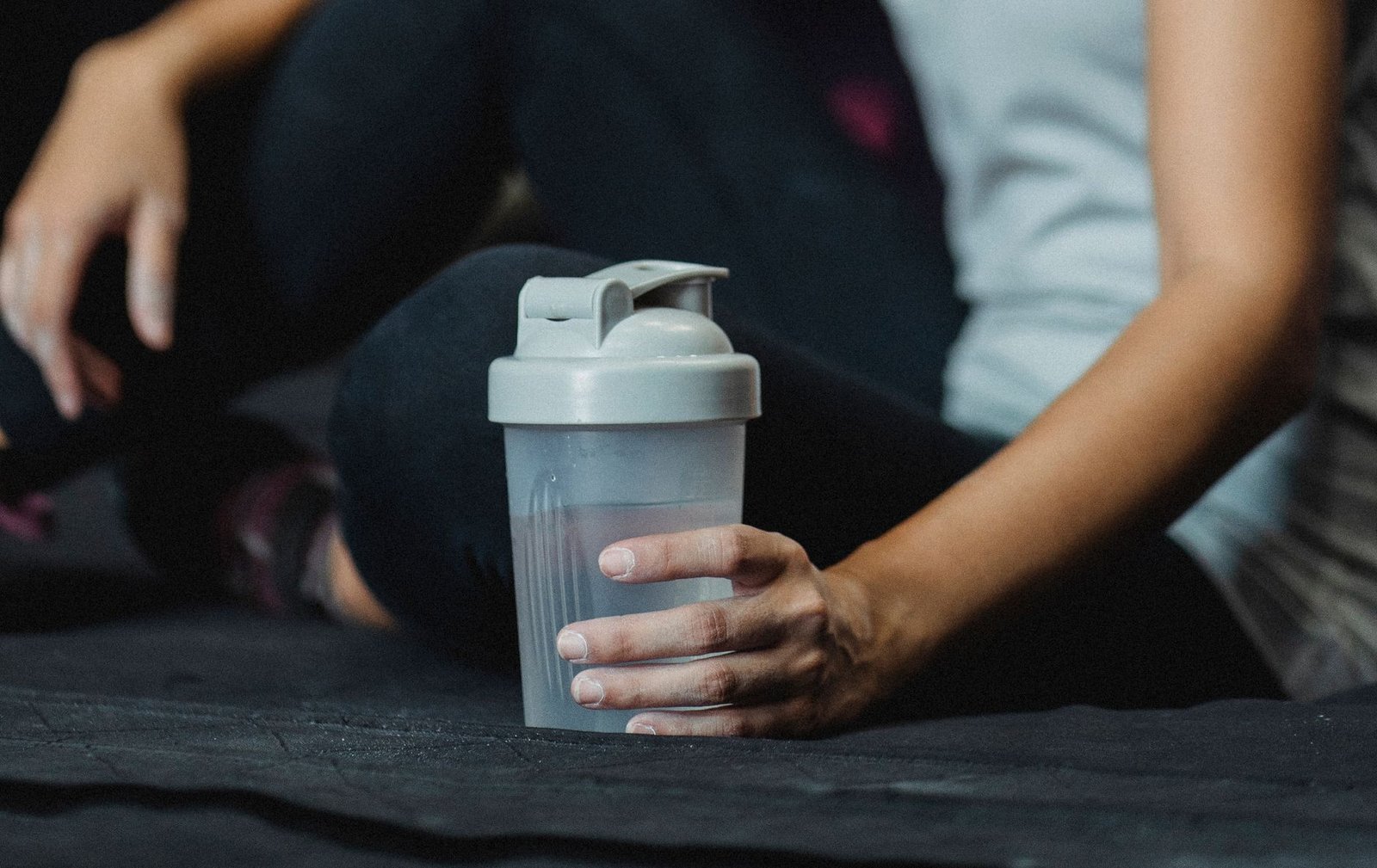
Kombucha After a Workout: Where It Really Shines
Post-workout is where kombucha earns its place. Your body needs three things after hard training: fluids, nutrients, and gut support.
- Hydration: Kombucha is a hydrating beverage that can help replenish lost fluids after sweating through a session.
- Probiotics: Kombucha is a natural source of probiotics that support gut health and nutrient absorption after exercise.
- Antioxidants: Intense physical activity produces free radicals that cause oxidative stress. Kombucha’s tea-derived antioxidants help counter that damage.
- Organic acids: Kombucha may help remove lactic acid and other metabolic byproducts through its organic acids and enzymes.
The study on kombucha’s pharmacological activities supports these mechanisms, including antioxidant and anti-inflammatory properties relevant to exercise recovery.
How Much, and What Kind?
Kombucha is not a replacement for a proper sports drink after intense exercise. Electrolyte content in kombucha varies widely but is generally lower than specialized sports drinks.
Kombucha works as a supportive ally in hydration, a tasty complement rather than a primary electrolyte source. Pair it with water and real food after high-intensity training.
As a home brewer, I control carbonation levels in my batches. A lightly carbonated first-ferment sits much better on an active stomach than a fully second-fermented bottle.
For context on the full spectrum of kombucha’s benefits, the benefits of kombucha page covers the research in detail.
Timing Cheat Sheet
Who Should Be More Cautious
Not everyone responds the same way to kombucha around training. Those with sensitive stomachs or digestive issues such as IBS may find that kombucha worsens symptoms due to its acidity.
Endurance athletes doing long cardio sessions are especially worth mentioning. GI distress is already a known risk during prolonged effort. Adding a carbonated, acidic drink close to training start time is a gamble.
Before you make kombucha a daily habit around training, check the kombucha side effects, risks and safety page to see who needs to be careful and why.
My Bottom Line on Kombucha Before a Workout
For most people, post-workout is the smarter default. Recovery benefits, from probiotics to antioxidants, align well with what your body needs.
Pre-workout can work, but keep the pour small and give yourself time. Sip 4 to 6 ounces (120 to 180 mL) at least 30 minutes before you move.
Kombucha is a complement, not a centerpiece. Pair it with solid hydration, enough protein, and real sleep.
Q: Is kombucha good to drink before a workout?
A: Kombucha before a workout can provide a gentle natural energy lift from B vitamins and trace caffeine. Keep the serving to 4 to 6 ounces (120 to 180 mL) and drink it at least 30 minutes before training. Start small and watch how your body responds, since carbonation can cause stomach discomfort.
Q: Is kombucha better before or after a workout?
A: For most people, after is the safer choice. Post-workout, kombucha supports rehydration, provides probiotics for gut recovery, and delivers antioxidants to counter exercise-induced oxidative stress. Pre-workout works for a gentle energy boost, but carbonation risks stomach upset if you’re sensitive.
Q: Can kombucha replace a sports drink after exercise?
A: Not fully. Kombucha contains trace electrolytes, but levels are significantly lower than formulated sports drinks. After heavy sweating, pair kombucha with water rather than use it as a replacement. It adds probiotics and antioxidants that sports drinks lack, making it a useful supplement.
Q: How much kombucha should I drink around a workout?
A: A serving of 8 to 16 ounces (240 to 480 mL) post-workout is reasonable for most people. Pre-workout, stick to 4 to 6 ounces (120 to 180 mL) to limit carbonation discomfort. Start at the lower end of any range if new to kombucha.
Q: Does kombucha help with muscle recovery?
A: Kombucha may support recovery through multiple pathways. Its antioxidants combat free radicals produced during intense exercise. Its organic acids may help clear metabolic waste. Its probiotics support gut health and nutrient absorption. Evidence is promising, though large human trials specific to athletes remain limited.
Ofir is a brewer, not a doctor, so anyone with a medical concern should talk to a healthcare professional.
Home kombucha brewer based in Tel Aviv with 6+ years of experience and 500+ batches brewed. I started Kommbucha.com because the information online was scattered or just plain wrong — I wanted advice from someone who actually brews. My kombucha is sold at local Tel Aviv coffee shops and been gifted many times in Detroit, Michigan .