
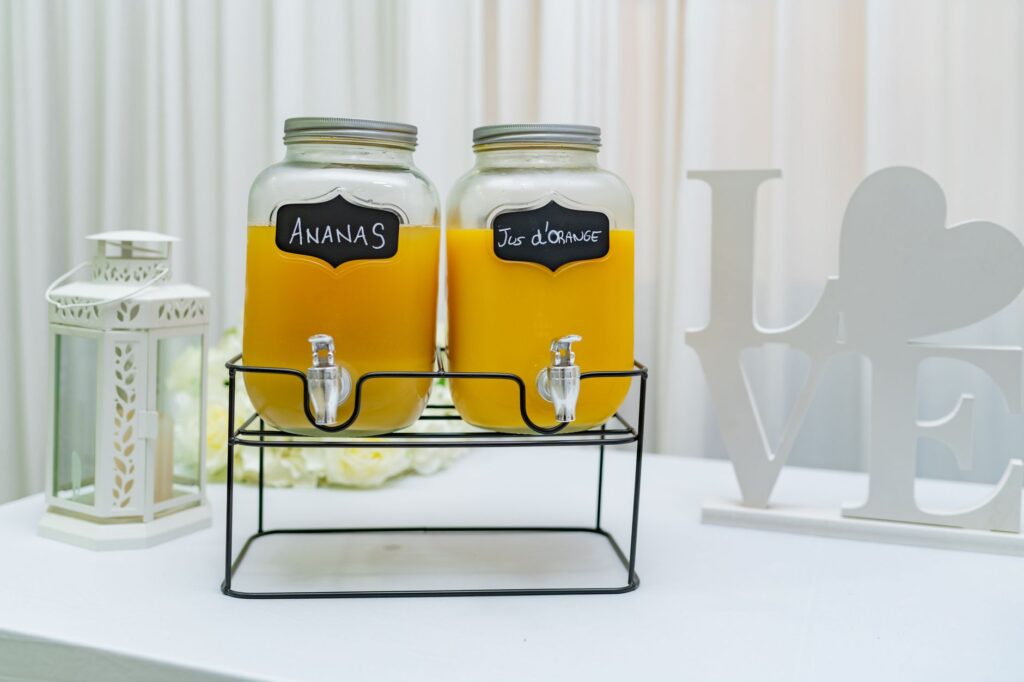
I’ll be straight with you: switching to continuous brew kombucha was one of those “why didn’t I do this sooner?” moments in my brewing journey. For my first year, I dutifully emptied entire gallon jars every 10 days, carefully lifted out the SCOBY with questionable cleanliness, and started from scratch each time. Then I set up my first continuous brew system in 2019—a simple 2.5-gallon (about 9.5 L) vessel with a spigot—and suddenly my kombucha became more reliable, better-tasting, and way less hassle.
The continuous brew method isn’t just convenient. It actually creates better conditions for fermentation because you’re never completely disrupting the microbial ecosystem you’ve worked so hard to establish. Let me walk you through exactly how to set up your own system.
Why Continuous Brew Kombucha Works Better Than Batch Brewing
The continuous brew method keeps your SCOBY colony stable, which is the biggest advantage over traditional batch brewing. When you dump everything out and start fresh each time, you’re forcing your bacteria and yeast to re-establish their population balance from scratch. This leads to inconsistent fermentation times and flavor variations between batches.
With continuous brew, your mature SCOBY remains undisturbed at the top of your vessel, maintaining a thriving population of acetic acid bacteria and yeasts that settle into a stable rhythm over time. The microbial makeup of any kombucha is shaped heavily by fermentation conditions—temperature, time, and how established the culture is—which is exactly why an undisturbed continuous culture tends to behave more predictably than a brand-new batch.
I noticed this around batch 7 with my continuous system. The kombucha from my spigot had this smooth, balanced tartness that my batch brews never quite achieved consistently. The pH stabilized around 3.2-3.4 every single draw, whereas my batch brews would swing anywhere from 2.8 to 3.6.
Other real advantages include:
- Less contamination risk since you’re not exposing your entire culture to air repeatedly
- Constant supply of fresh kombucha without waiting for full fermentation cycles
- Reduced yeast buildup at the bottom (you’ll still need to clean periodically, but less frequently)
- More efficient use of space if you’re brewing larger volumes
Essential Equipment for Your Continuous Brew Setup
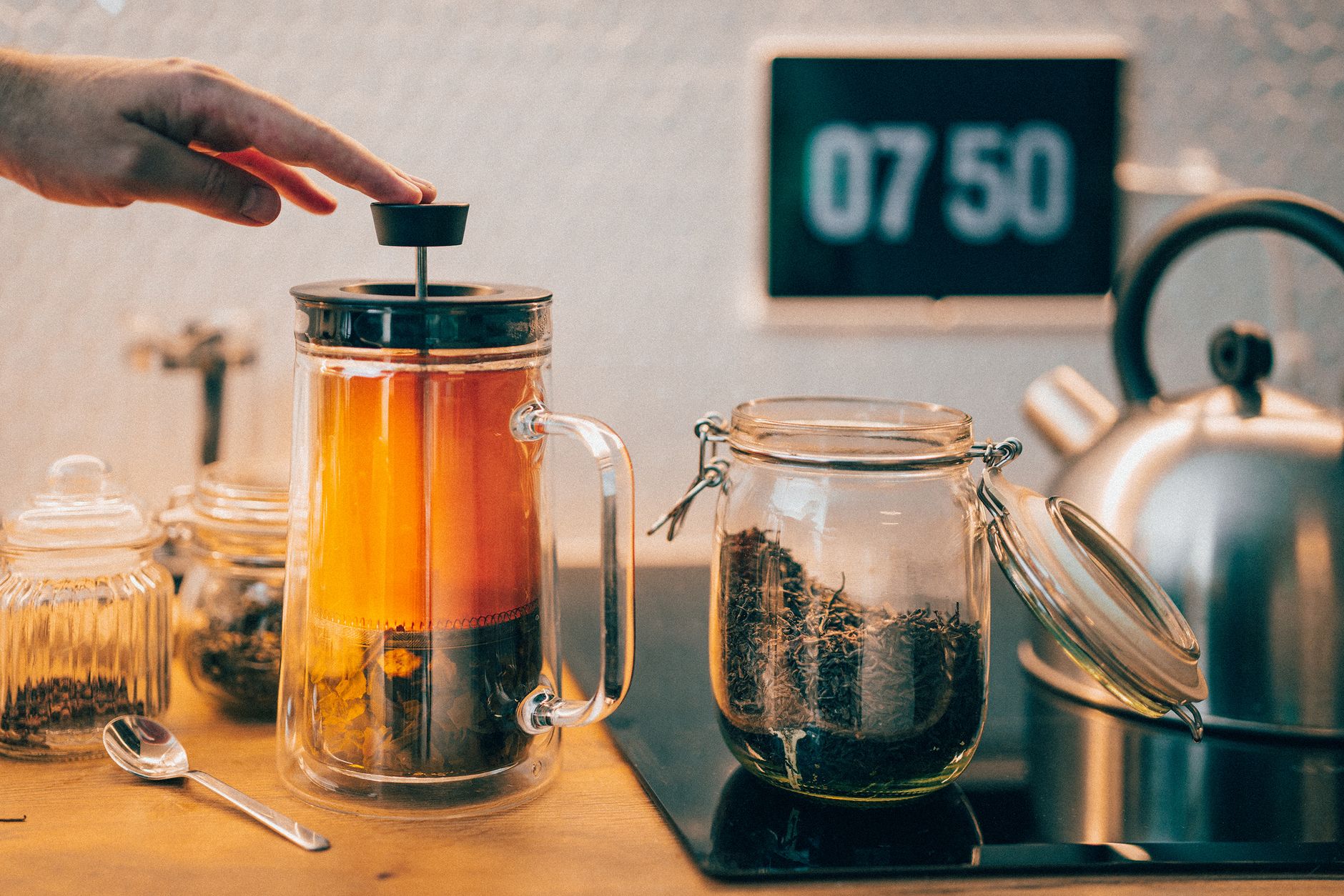
The vessel is everything in continuous brew kombucha. You need a container with a spigot positioned at least 2-3 inches from the bottom—this height matters because you want to draw finished kombucha while leaving sediment and yeast undisturbed below.
Here’s what I recommend based on actually using different setups:
The Brewing Vessel
Glass or ceramic vessels work best because they don’t react with kombucha’s acidity and they’re easy to inspect. My first continuous brewer was a 2.5-gallon (9.5 L) glass dispenser from a restaurant supply store, and it lasted four years before I upgraded to a 5-gallon (19 L) system.
Size considerations:
- 2.5 gallons (9.5 L): Perfect for 1-2 people drinking daily, lets you harvest about 20 ounces (600 ml) every 4-5 days
- 5 gallons (19 L): Ideal for families or heavy drinkers, harvest up to 1 gallon weekly
- 10+ gallons (38+ L): Only if you’re basically running a small operation—these require significant space and SCOBY management
Avoid metal spigots (stainless steel is technically fine, but plastic is safer and cheaper). Some brewers swear by wood spigots, but I’ve never tried them because cleaning seems complicated. My plastic spigot has worked flawlessly for years.
Additional Supplies You’ll Need
- Breathable cover: Tightly-woven cloth secured with a rubber band—coffee filters work but paper towels deteriorate
- Large funnel: Makes refilling with sweet tea much easier
- pH strips or meter: Not mandatory but helpful when you’re learning your system’s timing
- Long wooden or plastic spoon: For the rare occasions you need to stir (you generally don’t)
- Cleaning supplies: White vinegar and a soft brush for periodic deep cleans
Setting Up Your Continuous Brew System Step-by-Step
Start your continuous brewer exactly like a regular batch—this is important. You can’t just pour sweet tea and starter into a 5-gallon vessel and expect good results. The initial fermentation establishes your foundation.
Initial Fermentation (First 10-14 Days)
For a 2.5-gallon (9.5 L) vessel, you’ll need:
- 9 cups (about 2.1 liters) filtered water
- ¾ cup organic cane sugar
- 5-6 bags black or green tea (or 5-6 teaspoons loose leaf)
- 2-3 cups unflavored starter kombucha
- 1 healthy SCOBY (the thicker the better)
If you’re following our standard kombucha brewing process, you already know this routine: steep tea, dissolve sugar, cool completely, add to vessel with starter and SCOBY, cover, and wait.
Here’s what’s different: Position your vessel in its permanent home before filling. A 2.5-gallon continuous brewer weighs about 20-25 pounds (9-11 kg) when full—you don’t want to move it. I learned this the hard way when I tried relocating my 5-gallon system and nearly dropped 40 pounds (18 kg) of kombucha on my kitchen floor.
Let this initial batch ferment for 10-14 days until it reaches your preferred tartness. Don’t draw any kombucha during this period. You’re building a mature culture with enough acidity to protect future batches.
Your First Harvest and Refill
This is where continuous brewing starts. After your initial fermentation, you’ll establish a rhythm that continues indefinitely—some brewers maintain the same continuous culture for years.
When your first batch tastes good (pH around 3.0-3.5), draw off 20-30% of the liquid through the spigot. For a 2.5-gallon system, that’s about 20-24 ounces. This is your drinking kombucha—bottle it, flavor it, whatever you normally do.
Immediately after harvesting, refill with fresh sweet tea:
- Prepare sweet tea exactly as before (same sugar-to-tea ratio)
- Cool it completely to room temperature—this is non-negotiable
- Pour gently into your vessel, avoiding splashing that disturbs the SCOBY
- Re-cover and let ferment another 7-10 days
The logic of the refill is simple: you’re topping up food (sweet tea) for the culture without ever overwhelming it or starting from zero. If you want a primer on the culture itself, Healthline has a solid guide to the kombucha SCOBY.
Maintaining Your Continuous Brew Cycle
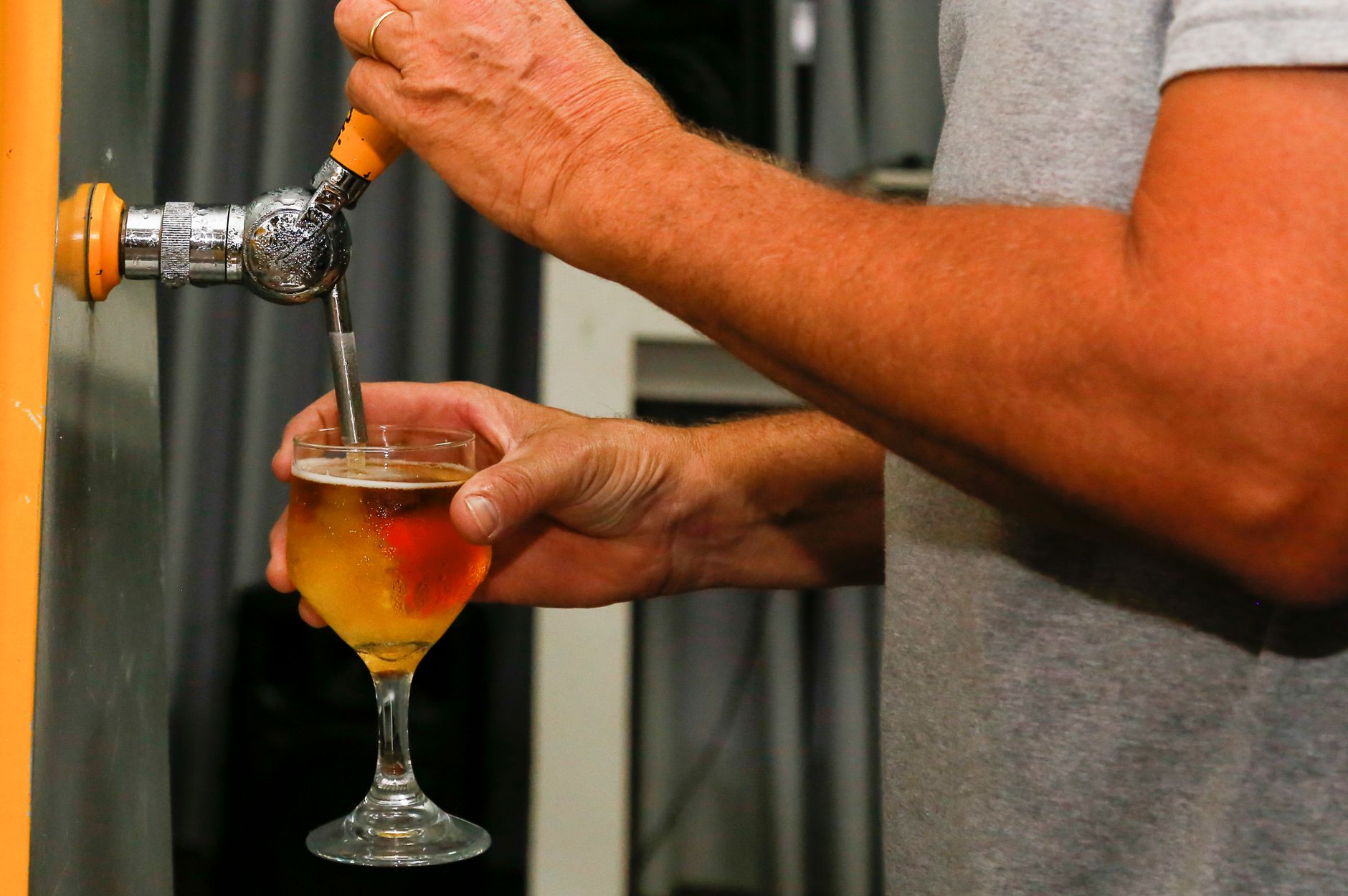
The rhythm becomes second nature after a few harvests. I check mine every Saturday morning—taste from the spigot, decide if it’s ready, harvest if so, and refill. The whole process takes maybe 15 minutes including cleanup.
Harvest Timing and Volume
Your fermentation speed depends on temperature and SCOBY health. In summer (24-27°C), my system is ready every 7 days. In winter (20-22°C), it stretches to 9-10 days. You’ll learn your vessel’s personality.
The key rule: never harvest more than 30-40% at once. If you drain too much, you’re essentially starting a new batch, which defeats the continuous brew advantage. I typically draw 25% weekly—it keeps the culture strong and gives me plenty of kombucha.
Some brewers harvest smaller amounts (10-15%) every 3-4 days. This works great if you want ultra-consistent kombucha because the culture barely notices the disturbance. I did this for a few months and the flavor stability was remarkable—every glass tasted nearly identical.
Managing the SCOBY Hotel at the Top
Your continuous brewer becomes a SCOBY factory. A new layer forms across the surface every few weeks, and they stack up like pancakes. This is normal and actually helpful—thicker SCOBY = more microbial firepower.
That said, you can’t let it grow forever. When the SCOBY reaches 2-3 inches thick, remove some layers:
- Wash your hands thoroughly with plain soap (no antibacterial)
- Reach in and peel off the bottom 1-2 layers (they’re darker and sometimes separated by yeasty brown strands)
- Discard them, use them to start a new batch, or pass them on to a friend who wants to start brewing
- Leave at least one thick layer covering the surface
I do this every 6-8 weeks. Between removals, I just leave the SCOBY completely alone. The less you touch it, the happier it is.
Dealing with Yeast Sediment
Brown stringy bits and sediment collect at the bottom over time—this is yeast buildup from normal fermentation. It’s not harmful, but it can make your kombucha cloudy and slightly more yeasty-tasting if it gets excessive.
Every 4-6 weeks, I do a partial cleaning:
- Harvest your normal amount through the spigot
- Draw an additional 1-2 cups from the spigot—this often pulls out some of the lighter sediment
- If the spigot starts flowing slowly, gently open it fully and use a clean chopstick to clear any debris (without reaching deep into the vessel)
- Refill as usual
Every 4-6 months, do a complete system refresh: harvest everything, clean the vessel thoroughly with white vinegar and hot water, and restart with your saved SCOBY and 2-3 cups of the kombucha you just harvested. This keeps things optimal.
Troubleshooting Common Continuous Brew Problems
Continuous brewing is generally more foolproof than batch brewing, but you’ll occasionally hit issues. Here’s what I’ve encountered and fixed:
Kombucha Is Too Sweet or Slow to Ferment
This usually means your culture needs more time or the temperature is too low. If after 10-12 days your kombucha still tastes sweet:
- Wait longer before harvesting—extend to 14-16 days and taste again
- Move to a warmer spot—ideal range is 24-29°C
- Reduce harvest volume—take only 15-20% so more mature kombucha remains
I had this issue when I first tried continuous brewing in winter. My kitchen dropped to 19°C at night, and fermentation basically stalled. A seedling heat mat underneath the vessel solved it completely.
Kombucha Is Too Sour or Vinegary
You’re waiting too long between harvests. The acetic acid bacteria keep working regardless of whether you’re drinking the results. If you can’t keep up with your production:
- Harvest more frequently (every 5-6 days instead of 7-10)
- Lower your temperature slightly to slow fermentation
- Switch to a smaller vessel so you’re not making more than you need
Mold on the SCOBY Surface
This is rare in continuous brew because your culture stays acidic, but if you see fuzzy white, blue, or black spots—that’s mold. Unlike kahm yeast (which is white and flat), mold is fuzzy and raised.
Unfortunately, you must discard everything and start over. Mold can’t be saved. Clean your vessel thoroughly with white vinegar, rinse well, and begin again with a new SCOBY and starter from a reliable source.
Fruit Flies or Gnats Around the Vessel
Your cover isn’t tight enough. Fruit flies can squeeze through surprisingly small gaps, and they’re attracted to fermentation smells. Make sure your cloth is secured tightly with a rubber band that has no gaps. I double-wrap mine just to be safe.
If flies do get in (I had this happen once when my cloth slipped), you’ll need to dump everything. Fruit fly larvae in kombucha are harmless but absolutely disgusting—don’t try to save it.
Maximizing Flavor in Continuous Brew Kombucha
Continuous brew kombucha develops deeper, more complex flavors than batch brewing once your system matures. Kombucha’s character comes from the organic acids and aromatic compounds the culture produces during fermentation, and in my experience the aged liquid that never gets fully harvested seems to round those out over time.
After running my 5-gallon system for about eight months, I started noticing these subtle wine-like notes that weren’t there initially. My theory is the aged kombucha at the bottom (which never gets fully harvested) acts like a perpetual sourdough starter, adding complexity to each new batch.
Tea Choices for Long-Term Brewing
Black tea remains the most reliable choice for continuous brewing because it provides consistent nutrients and tannins that support SCOBY health. I use a simple organic Ceylon black tea—nothing fancy, just reliable.
That said, you can experiment with tea blends once your system is established:
- 50% black, 50% green: Lighter, more delicate flavor—my go-to for summer
- 75% black, 25% oolong: Adds smooth, almost creamy notes
- 90% black, 10% white: Subtle complexity without dramatic changes
Avoid changing your entire tea profile suddenly—your bacteria adapt to specific nutrients, and a radical change can slow fermentation. Introduce new teas gradually over several refill cycles.
Sugar Ratios and Alternatives
The standard ratio is 1 cup sugar per gallon of water, but continuous brewing gives you more flexibility because you’re always blending fresh sweet tea with mature kombucha. Some brewers reduce sugar slightly (⅞ cup per gallon) for less residual sweetness.
I experimented with partial honey once—replaced 25% of the sugar with raw honey—and it did add interesting floral notes. However, it slowed fermentation by about 2 days, probably because honey’s antimicrobial properties affected the bacteria. Stick with cane sugar unless you enjoy experimenting and don’t mind inconsistency.
Scaling Up: Going from 2.5 to 5+ Gallons
Bigger isn’t always better, but if you’re drinking a lot of kombucha or sharing with family, scaling up makes sense. The principles remain the same, but larger systems have quirks worth knowing.
When I upgraded to my 5-gallon continuous brewer, I made the mistake of thinking I could just double everything. Turns out larger vessels have different temperature dynamics—the kombucha at the bottom stays cooler than the top by several degrees, creating stratification.
For vessels larger than 3 gallons:
- Use extra starter kombucha (3-4 cups for 5 gallons) to ensure adequate acidification
- Wait 14-16 days for initial fermentation rather than 10-12
- Consider the vessel’s shape—taller vessels circulate better than wide shallow ones
- Position the spigot higher (3-4 inches from bottom) to avoid sediment
The fermentation time per cycle typically increases by 1-2 days when you double your volume. My 5-gallon system runs on a reliable 9-day cycle in moderate temperatures, whereas my old 2.5-gallon was ready every 7 days.
FAQ: Continuous Brew Kombucha
Q: How often should I harvest from my continuous brew kombucha?
A: Every 7-10 days is ideal, removing 20-30% of the volume through the spigot each time. This maintains a healthy balance of mature kombucha and fresh sweet tea. In warmer weather (above 26°C), you might need to harvest every 5-7 days to prevent over-fermentation. The key is consistency—establish a schedule and taste before each harvest to ensure it hasn’t become too sour. If you’re traveling or can’t maintain the schedule, fermentation will continue, resulting in more vinegary kombucha that’s still safe to use as strong starter for your next cycle.
Q: Do I need to remove the SCOBY from continuous brew systems?
A: No, leaving the SCOBY undisturbed is the whole point of continuous brewing. The culture remains in the vessel indefinitely, forming new layers on top over time. You only need to remove excess SCOBY when it becomes 2-3 inches thick (every 6-8 weeks), at which point you peel off the bottom darker layers and leave the healthier top layers in place. This minimal handling reduces contamination risk and keeps your fermentation environment stable. Some brewers run the same continuous culture for over a year without ever removing it completely.
Q: Can I flavor kombucha directly in a continuous brew vessel?
A: No, never add fruits, herbs, or flavorings to your continuous brew vessel. These additions can introduce mold spores, attract fruit flies, and disrupt the SCOBY’s health. Always harvest plain kombucha through the spigot first, then do your second fermentation with flavorings in separate bottles. The only things that should ever enter your continuous brewer are fresh sweet tea, starter kombucha, and the original SCOBY. This keeps your main culture clean and prevents contamination that would require starting over completely.
Q: How do I know when my continuous brew kombucha is ready to harvest?
A: Taste it directly from the spigot—that’s your most reliable indicator. Ready kombucha should be pleasantly tart with a slight sweetness remaining, not cloying or vinegary. If you’re using pH strips, look for readings between 3.0 and 3.5 (below 3.0 is too sour, above 3.5 needs more time). Temperature affects timing significantly: in 24-27°C environments, expect 7-8 days; in 20-22°C, expect 10-12 days. After a few harvest cycles, you’ll develop an intuition for your specific system’s rhythm and can maintain consistent flavor.
Q: What’s the longest I can leave continuous brew kombucha without harvesting?
A: Technically indefinitely, but it becomes increasingly sour as acetic acid bacteria continue converting alcohol to acetic acid. I’ve left mine for three weeks during vacation, and while it tasted like vinegar, it was still safe and the SCOBY remained healthy. If this happens, harvest most of it (save 30% as extra-strong starter), clean out the vessel if sediment is excessive, and restart your cycle. The extremely sour kombucha makes excellent household vinegar or extra-strong starter for new batches. The culture can survive months of neglect as long as it doesn’t completely dry out or mold.
Home kombucha brewer based in Tel Aviv with 6+ years of experience and 500+ batches brewed. I started Kommbucha.com because the information online was scattered or just plain wrong — I wanted advice from someone who actually brews. My kombucha is sold at local Tel Aviv coffee shops and been gifted many times in Detroit, Michigan .