
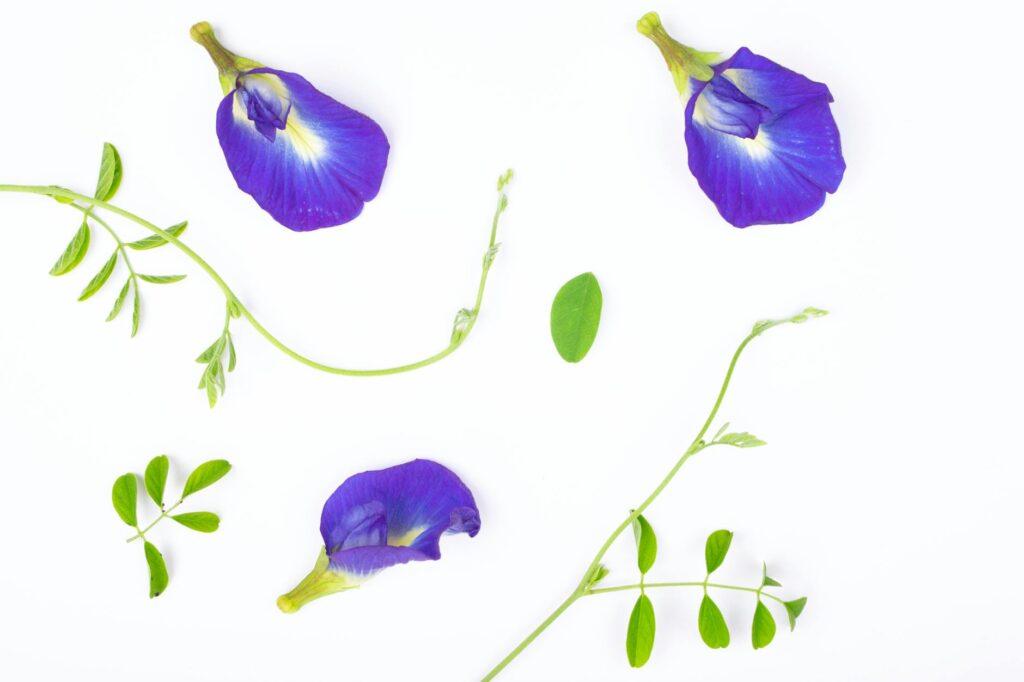
I still remember the first time I bottled my batch #47 with butterfly pea flowers—I opened my brewing closet three days later to find bottles that looked like they contained liquid sapphire. Then I squeezed half a lemon into my glass and watched it transform into fuchsia right before my eyes. That moment turned me from a casual brewer into someone slightly obsessed with this magical ingredient.
Butterfly pea kombucha isn’t just visually stunning; it’s one of the most forgiving and impressive flavors you can brew at home. The flowers themselves are nearly tasteless with just a whisper of earthiness, which means they won’t compete with your base kombucha’s tangy profile while delivering that incredible color-changing magic.
What Makes Butterfly Pea Flowers Change Color
The color transformation happens because of anthocyanins—the same compounds that make blueberries blue and red cabbage purple. These molecules are pH indicators, meaning they literally change their chemical structure based on acidity levels. In your kombucha’s acidic environment (typically pH 2.5-3.5), butterfly pea flowers start blue-purple. Add something more acidic like lemon juice (pH 2), and those anthocyanins donate a proton, shifting the molecular structure and reflecting different wavelengths of light—suddenly you’re looking at pink or magenta.
This isn’t just party trick chemistry. Peer-reviewed research on kombucha bioactive compounds (NIH) shows that anthocyanins have genuine antioxidant properties, complementing the organic acids and beneficial bacteria already present in your fermented tea.
The Basic Butterfly Pea Kombucha Recipe
Here’s exactly how I brew it after refining my process over dozens of batches:
Ingredients per 16 oz bottle:
- 14-15 oz finished kombucha from first fermentation
- 2-3 teaspoons dried butterfly pea flowers (whole or crushed)
- 1-2 teaspoons sugar or honey (for carbonation)
- Optional: 1 teaspoon fresh ginger juice or 2-3 fresh berries
Instructions:
- Complete your first fermentation as normal—7-10 days until your kombucha reaches a tangy but not vinegary taste (pH around 3.0-3.5).
- Add the butterfly pea flowers directly to clean swing-top bottles. I prefer whole flowers because they’re easier to strain out later, but crushed works fine and releases color faster.
- Add your priming sugar—this feeds the remaining yeast to create carbonation during second fermentation.
- Pour in your kombucha, leaving about 1 inch of headspace. The liquid will immediately start taking on a blue tint.
- Seal bottles and leave at room temperature for 2-4 days. I check carbonation daily by quickly opening one test bottle—when you hear a satisfying hiss and see bubbles, you’re ready.
- Strain out the flowers if desired (I usually do), then refrigerate. The cold stops fermentation and locks in your carbonation level.
Color Intensity Tips From Real Brewing Experience
During my batch #52, I experimented with different steeping times and discovered that color intensity peaks around day 3 of second fermentation. After day 5, I noticed the blue started looking slightly muddy—not bad, just less vibrant. The sweet spot is definitely 2-4 days for maximum visual impact.
If you want deeper blue, increase flowers to 4 teaspoons per 16 oz, but know that beyond this point you’ll start tasting the earthy, slightly vegetal notes of the flowers themselves. The magic of butterfly pea kombucha is that subtle balance where color dominates and flavor stays clean.
Temperature matters too. My summer batches (around 78°F) developed color in 36 hours, while winter batches (68°F) took the full 4 days. Warmer temperatures speed up the extraction of those anthocyanins into your kombucha.
Creating the Color-Changing Effect
The real showstopper is serving this to guests. Pour your blue butterfly pea kombucha into a clear glass, then add one of these acid sources while they watch:
- Fresh lemon juice: Quarter to half a lemon per glass shifts it to bright pink-magenta in seconds
- Lime juice: Similar effect, slightly more purple-pink
- Hibiscus tea: Creates a deeper purple-red gradient
- Apple cider vinegar: Adds complexity and shifts to dusty rose
I’ve found that the color change is most dramatic when your base kombucha is on the less acidic side (pH 3.2-3.5). If your first fermentation went too long and you’re at pH 2.8, you’ll start with a more purple base instead of true blue, and the shift to pink will be less pronounced.
Flavor Combinations That Work Beautifully
Because butterfly pea flowers are essentially neutral in flavor, they pair wonderfully with almost anything in your kombucha flavoring arsenal. Here are combinations I return to regularly:
Butterfly Pea + Ginger + Lemon: Add a thumbnail-sized piece of fresh ginger (peeled and sliced thin) along with the flowers during bottling. The ginger adds warmth and spice, while lemon juice at serving time creates that pink transformation and balances the ginger heat. This was my batch #61, and it remains my go-to for introducing people to butterfly pea kombucha.
Butterfly Pea + Blueberry: Add 4-5 fresh or frozen blueberries per bottle with the flowers. The blueberries contribute their own anthocyanins, creating a deeper indigo base that shifts to burgundy with added acid. The subtle berry sweetness complements kombucha’s natural tartness perfectly.
Butterfly Pea + Mint + Lime: Three fresh mint leaves plus the flowers, then add lime juice when serving. This is incredibly refreshing—the mint adds aromatic complexity while the lime triggers that purple-to-pink cascade. Perfect for summer afternoons.
Butterfly Pea + Lavender: A tiny pinch of culinary lavender (seriously, like 1/8 teaspoon—lavender is potent) with the butterfly pea creates a floral, almost mystical flavor. When you add lemon, it becomes this pink floral elixir that feels impossibly fancy.
Troubleshooting Common Butterfly Pea Issues
After brewing this flavor more than 20 times, I’ve encountered most of what can go wrong:
Weak color: Usually means old flowers or insufficient steeping time. Butterfly pea flowers lose potency after about a year of storage. Buy from suppliers with good turnover, and store in an airtight container away from light. If your color is weak after 3 days, add another teaspoon of flowers and wait another day.
Muddy brown color instead of blue: This happened to me with batch #55. The culprit was metal contamination—I’d used a metal tea ball to contain the flowers. Butterfly pea anthocyanins react with iron and other metals, creating that unappetizing brown. Use glass, plastic, or food-grade silicone only.
Excessive sediment: Crushed flowers create more sediment than whole flowers. Either strain after second fermentation or accept the cloudiness. I actually don’t mind it—it reminds people this is real, unfiltered fermented tea, not some artificial blue beverage.
No color change when adding acid: Your kombucha might already be too acidic. According to Healthline’s evidence-based kombucha overview, finished kombucha ranges from pH 2.5-3.5. If you’re at the lower end, the anthocyanins are already in their pink form. Try cutting your first fermentation time by a day or two next batch.
Health Benefits Beyond the Visual Appeal
While most people brew butterfly pea kombucha for the Instagram-worthy color, the flowers bring legitimate bioactive compounds to your ferment. Anthocyanins are powerful antioxidants that help neutralize free radicals. Some research suggests they support cognitive function and may have anti-inflammatory properties.
The flowers are also rich in flavonoids and proanthocyanidins—compounds that work synergistically with the organic acids produced during kombucha fermentation. You’re essentially stacking the probiotic and organic acid benefits of kombucha with the antioxidant power of butterfly pea flowers.
That said, the amounts we’re using (2-3 teaspoons per bottle) mean you’re getting modest but meaningful quantities of these compounds. This isn’t a superfood miracle cure, but it’s a delicious way to add variety to your probiotic routine while potentially increasing your antioxidant intake.
Where to Source Quality Butterfly Pea Flowers
I’ve bought butterfly pea flowers from six different suppliers, and quality varies dramatically. The best flowers are whole, deep blue-purple when dry, and create vivid color within 24 hours. Faded, brownish flowers or those that have been sitting in clear packaging under lights will disappoint you.
Look for organic butterfly pea flowers specifically marketed for culinary use. Some suppliers sell them for soap-making or crafts—those aren’t necessarily food-grade. Online tea retailers, Asian grocery stores, and specialty herb suppliers are your best bets. Expect to pay $8-15 for 2-3 ounces, which is enough for 15-20 bottles of kombucha.
Store them in an airtight container in a cool, dark place. I keep mine in a mason jar in the back of my pantry, and they’ve maintained their color-producing power for eight months so far.
The Science of pH and Kombucha Safety
One concern I had initially was whether adding neutral-pH flowers would affect kombucha’s safety. The short answer: no. The flowers don’t buffer or neutralize the acidity—they simply release their pigments into the already-acidic environment. Your finished butterfly pea kombucha maintains the same low pH that makes kombucha stable and safe.
The acetic acid and lactic acid produced by your SCOBY’s bacteria during fermentation create an environment where harmful pathogens cannot survive. Adding butterfly pea flowers during second fermentation doesn’t change this fundamental protection. The pH might rise by 0.1-0.2 points temporarily when you add fresh ingredients, but fermentation continues and acidity stabilizes.
I always recommend pH testing if you’re concerned, especially when experimenting with new ingredients. A pH of 3.5 or lower is your safety threshold—anything above that, give it more fermentation time.
Q: How much butterfly pea flower should I use per bottle of kombucha?
A: Use 2-3 teaspoons of dried butterfly pea flowers per 16 oz bottle for vibrant color without overpowering earthy flavor. You can increase to 4 teaspoons for deeper blue, but beyond that you’ll start tasting the flowers themselves. I’ve tested everything from 1-6 teaspoons across multiple batches, and 2-3 teaspoons consistently delivers the best color-to-flavor ratio for most people’s preferences.
Q: Why isn’t my butterfly pea kombucha changing color when I add lemon?
A: This usually means your kombucha is already quite acidic (below pH 3.0), so the anthocyanins are already in their pink molecular form. Try reducing your first fermentation time by 1-2 days next batch to keep pH around 3.2-3.5, which maintains a blue base that dramatically shifts to pink when you add citrus. Another possibility is old, degraded flowers that have lost their color-changing compounds—fresh flowers are essential.
Q: Can I add butterfly pea flowers during first fermentation instead of second?
A: You can, but I don’t recommend it based on my batch #58 experiment. The extended exposure to fermentation acids (7-10 days instead of 2-4) resulted in muddy color and reduced that dramatic shift you get with fresh flowers during second fermentation. The longer contact time also allows your SCOBY to potentially metabolize some of those anthocyanins, dulling the visual effect. Keep butterfly pea as a second fermentation addition for best results.
Q: Does butterfly pea kombucha taste different from regular kombucha?
A: Barely. Butterfly pea flowers are nearly flavorless with just a whisper of earthy, slightly vegetal notes that most people won’t even detect under kombucha’s natural tanginess. At the 2-3 teaspoon level, the flavor impact is minimal—maybe 5% different from unflavored kombucha. This makes butterfly pea incredibly versatile since it contributes color without fighting other flavors you might add like ginger, berries, or citrus.
Q: How long do the color-changing properties last after bottling butterfly pea kombucha?
A: The blue color remains stable in your refrigerated bottles for 3-4 weeks, and the pH-responsive color-changing ability lasts just as long. I’ve tested bottles up to six weeks old, and they still shifted from blue to pink beautifully when I added lemon. However, I did notice that batches older than a month showed slightly less vibrant color transitions—the blue was more muted gray-blue rather than the vivid sapphire you get in the first two weeks. For maximum wow factor, brew and consume within three weeks.
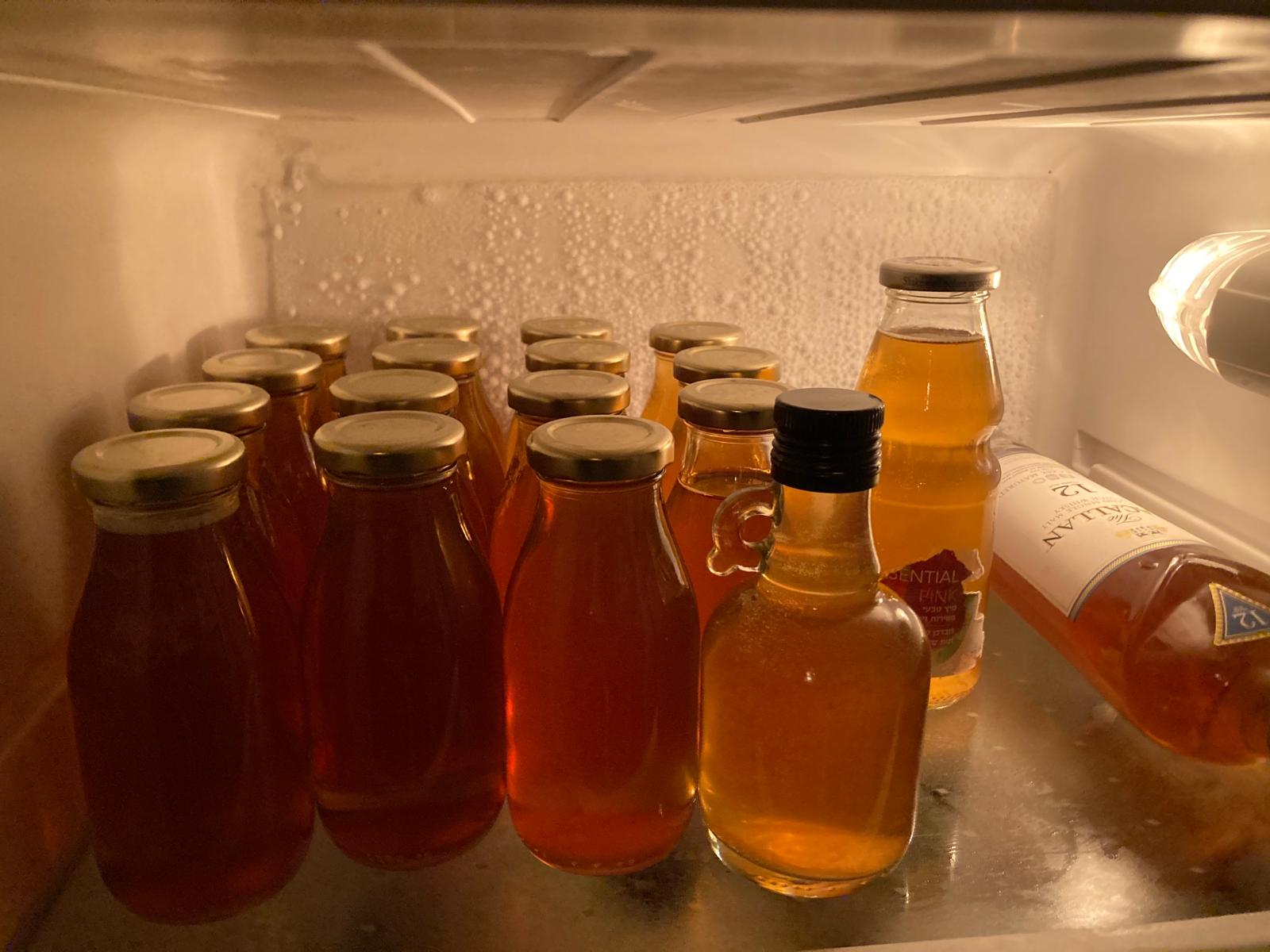
Home kombucha brewer based in Tel Aviv with 6+ years of experience and 500+ batches brewed. I started Kommbucha.com because the information online was scattered or just plain wrong — I wanted advice from someone who actually brews. My kombucha is sold at local Tel Aviv coffee shops and been gifted many times in Detroit, Michigan .