
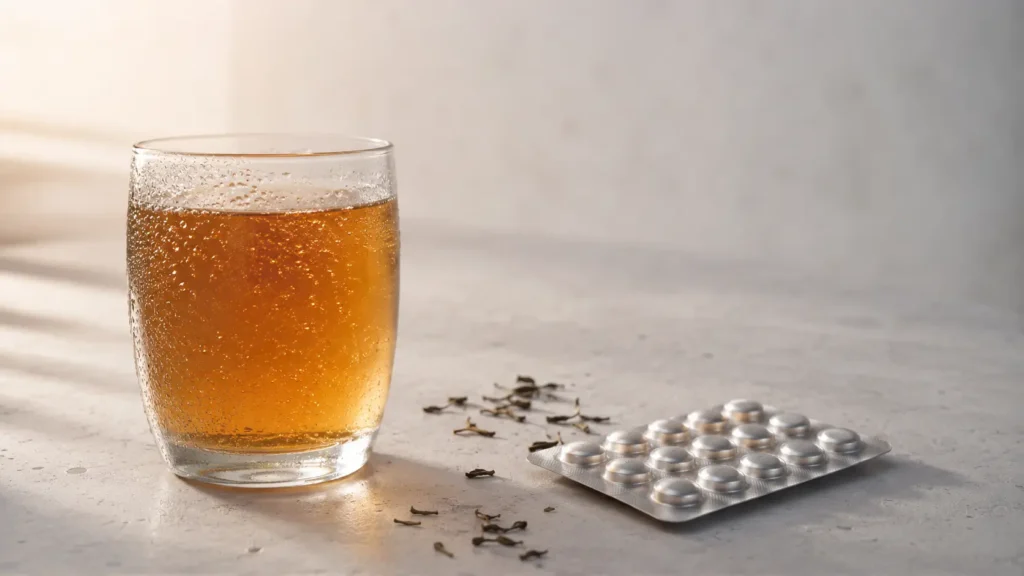
If you take the pill every day, you’ve probably wondered whether that bottle of kombucha in the fridge could cause any trouble. The question pops up constantly, and it deserves a clear, honest answer.
What Is Actually in Kombucha?
Kombucha is fermented sweetened tea. The fermentation involves a symbiotic community of yeast, acetic acid bacteria, and lactic acid bacteria.
Together these microbes produce organic acids, B vitamins, and live cultures. Yeast consume the sugar and produce carbon dioxide plus alcohol.
Then the bacteria convert that alcohol into acetic acid, essentially vinegar. That is why a well-fermented batch tastes tart.
So kombucha delivers two things relevant to this conversation: live probiotic cultures and a small amount of residual alcohol.
Does Kombucha’s Alcohol Affect the Pill?
The alcohol content of commercial kombucha is typically very low, usually less than 0.5% by volume. That is the same threshold as non-alcoholic beer.
Kombucha contains trace amounts of alcohol, but the TTB does not classify it as an alcoholic drink if it contains less than 0.5% alcohol by volume.
At those levels, the alcohol poses no known interference with how the pill is absorbed or metabolized. The liver enzymes that process contraceptive hormones are simply not challenged by that quantity.
Home-Brew Note on Alcohol
Home-brewed kombucha is a different story. The alcohol content of homemade kombucha is generally between 1% and 2.5%.
That is still modest, but it is meaningfully higher than store-bought. Temperature matters here too.
When a fermentation environment drops to 64°F (18°C), a batch that usually finishes in 9 days may drag out close to 16. Slower fermentation shifts the microbial balance, which can affect both acidity and alcohol levels.
If you brew at home, follow proper brewing techniques and monitor the alcohol content. A hydrometer or refractometer helps.
Do Probiotics Interfere with Birth Control?
This is the bigger question for most people. The short answer: no. Neither probiotics nor prebiotics have been shown to affect birth control pill effectiveness.
Probiotics work primarily in the gut, where they help balance the microbiota and support digestion. They do not directly impact the liver or affect how hormonal contraceptives are metabolized.
Birth control pills are absorbed through the bloodstream and do not rely on gut bacteria to function. One of the more cited probiotic research groups, plannedparenthood, reaches the same conclusion.
You can safely take live cultures with birth control pills, and there are no risks to the function of either when taken together.
Why the Confusion with Antibiotics?
A lot of the worry around kombucha and birth control comes from blurring probiotics with antibiotics. People know antibiotics can sometimes reduce pill effectiveness, so they wonder if kombucha behaves similarly. It does not.
Antibiotics can interfere with the recirculation of estrogens in the body, which in rare cases might reduce the effectiveness of hormonal contraceptives. The key point is that antibiotics may diminish birth control effectiveness, not probiotics.
If you are currently taking antibiotics and want to know whether kombucha fits into that picture, the full guide on can you drink kombucha while on antibiotics covers that separately.
Could the Pill Affect Your Gut Instead?
The relationship actually runs the other direction. The birth control pill has been noted to have effects on the gut microbiome, possibly due to the relationship between estrogen and the gut lining.
Some women experience gastrointestinal side effects when taking the pill, including nausea, bloating, and altered bowel patterns. This could be a sign of dysbiosis, an imbalance in the gut microbiome.
In that light, the live cultures in kombucha could actually be supportive for some people on the pill, rather than problematic.
What Supplements Actually Interact with the Pill?
It helps to know what the real risks are. The hormones in birth control pills need to be metabolized by the body to work properly.
This process depends mainly on the digestive tract and liver enzymes. Some supplements can affect this process and disrupt how pills are absorbed or metabolized.
The known offenders are specific, not kombucha:
- St. John’s Wort: Can make birth control less effective.
- Activated charcoal: May interfere with birth control pills.
- Probiotics (including kombucha): Unlikely to affect the pill.
- Rifampin (antibiotic): The one antibiotic exception, used mainly to treat tuberculosis.
Special Situations to Know About
Kombucha and birth control interact with broader life circumstances too. If you are pregnant, the trace alcohol and unpasteurized nature of kombucha raise separate concerns.
Read the full piece on kombucha during pregnancy before drinking it while expecting.
For nursing mothers, the question shifts again. The guide on kombucha while breastfeeding addresses the alcohol and caffeine angles in detail.
If you are transitioning off the pill after having a baby, the broader resource on kombucha for moms pulls many of these threads together.
Practical Takeaways
The Bottom Line on Kombucha and Birth Control
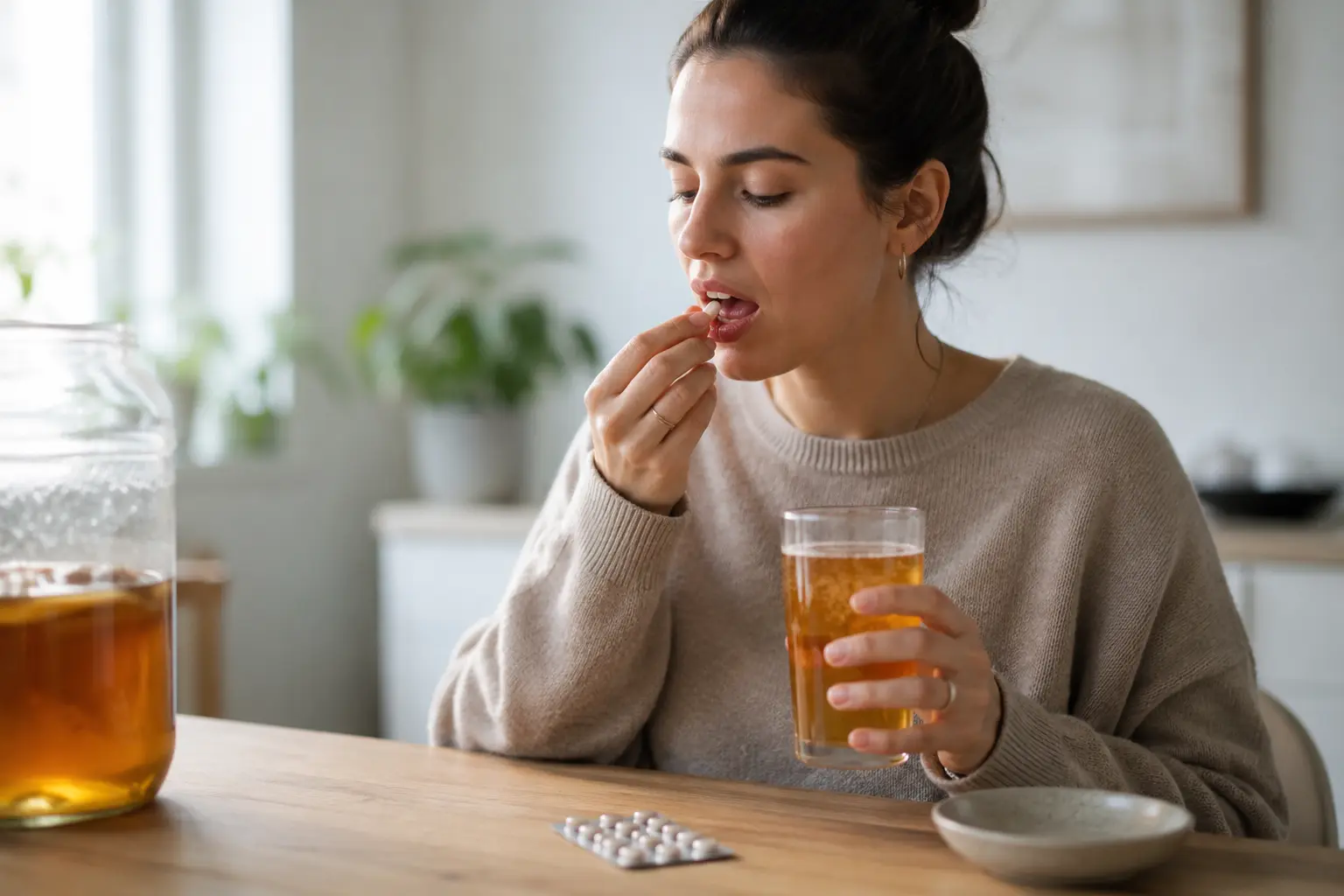
The evidence is consistent: kombucha is not known to reduce birth control pill effectiveness. The probiotics do not touch hormone metabolism.
The alcohol in a commercial bottle is negligible. Where caution makes sense is with home-brewed batches at higher ABV, and in specific life situations like pregnancy or breastfeeding.
When in doubt about combining any food or supplement with your medication regimen, consult your healthcare provider.
Q: Can drinking kombucha make my birth control pill less effective?
A: No evidence supports this. The probiotics in kombucha do not affect how the pill is metabolized, and the trace alcohol in commercial kombucha (under 0.5% ABV) is far too low to interfere with contraceptive hormones. Current research consistently finds no interaction between live cultures and oral contraceptives.
Q: Is the alcohol in kombucha a concern when I’m on the pill?
A: For commercial kombucha, no. Store-bought kombucha sits below 0.5% ABV, which is non-alcoholic by federal standards. Home-brewed kombucha can reach 1-2.5% ABV, still modest but worth monitoring if you prefer to keep alcohol minimal while on hormonal contraception.
Q: I heard antibiotics affect birth control. Does kombucha work the same way?
A: No, these are very different things. Certain antibiotics can disrupt the recirculation of estrogen in the body, potentially weakening the pill. Probiotics, including those in kombucha, do not work through this mechanism and are not linked to reduced contraceptive effectiveness.
Q: Could kombucha actually help with side effects of the pill?
A: Possibly, for some people. The pill can alter gut microbiome balance, leading to bloating, nausea, or irregular bowel patterns in some women. The live cultures in kombucha may help restore that balance, though individual responses vary and evidence remains limited.
Q: Should I tell my doctor I drink kombucha while on birth control?
A: It is generally a low-priority disclosure, as no interaction is established. However, if you drink large amounts of home-brewed kombucha, mentioning it is reasonable. Always tell your doctor about any supplement or herb you take regularly.
Ofir is a brewer, not a doctor, so anyone with a medical concern should talk to a healthcare professional.
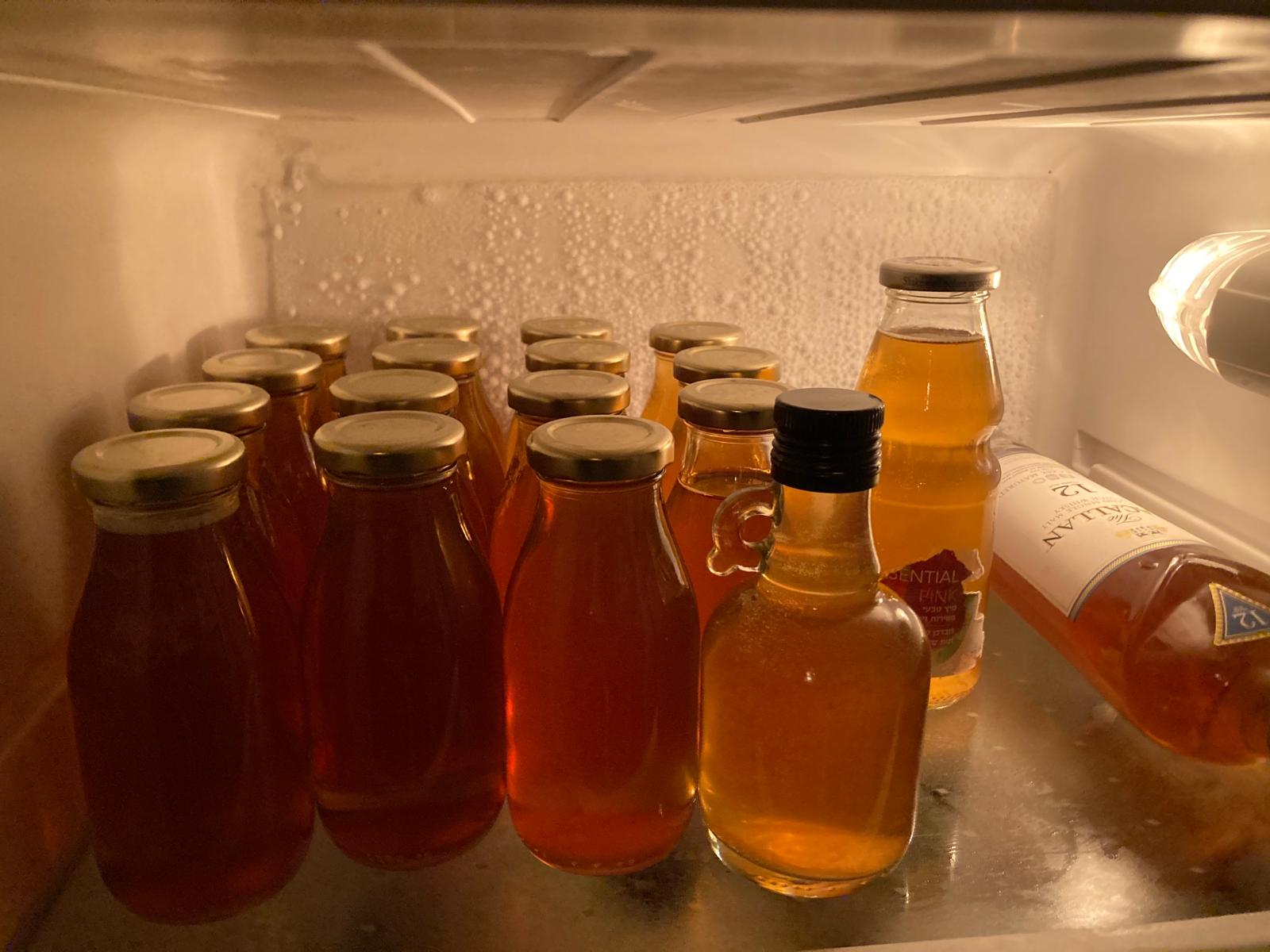
Home kombucha brewer based in Tel Aviv with 6+ years of experience and 500+ batches brewed. I started Kommbucha.com because the information online was scattered or just plain wrong — I wanted advice from someone who actually brews. My kombucha is sold at local Tel Aviv coffee shops and been gifted many times in Detroit, Michigan .