
✍️ Written & Updated by Ofir The Fermenter · 📅 June 25, 2026
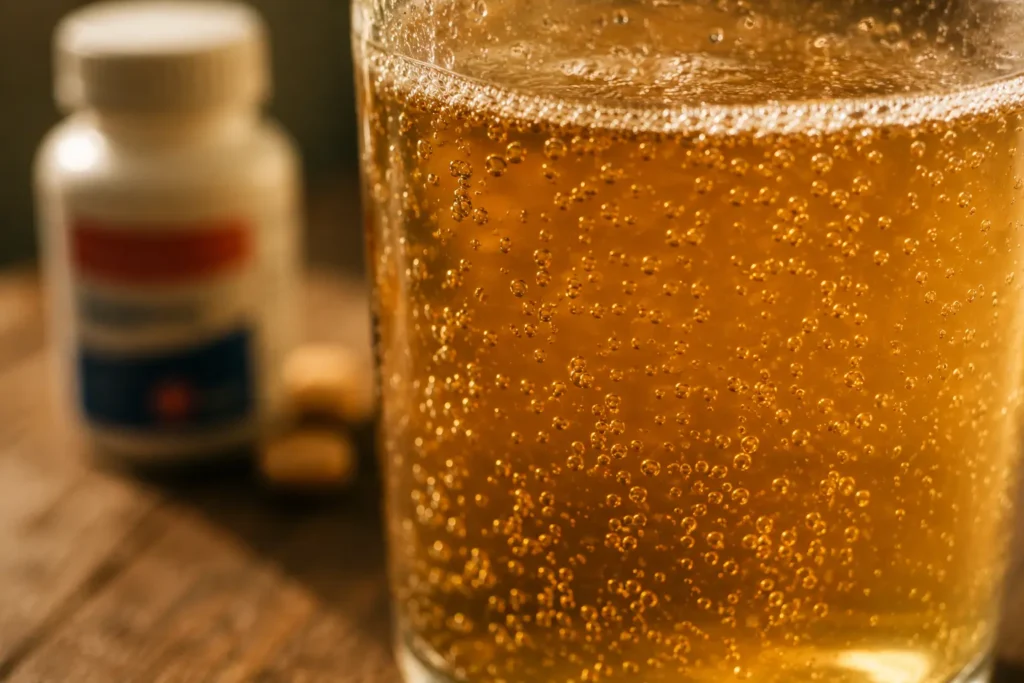
The question comes up more than you’d think. Someone reaches for their Advil, then wonders whether their afternoon kombucha is going to cause a problem. The concern is understandable, but the answer isn’t a simple yes or no. It depends on what kind of kombucha you’re drinking, how often you’re taking the NSAID, and whether your stomach is already irritated.
What the Interaction Databases Actually Say
No interactions have been formally identified between ibuprofen and kombucha in pharmacological interaction databases, though this does not mean the potential for an interaction does not exist. That caveat matters.
There is often a lack of studies surrounding traditional fermented foods and drug interactions specifically, so it is always worth consulting your provider before changing your regimen. In other words, the absence of a listed interaction is not a green light to drink a cup (237 ml) of homebrew with your naproxen. The risk is indirect, rooted in biology rather than pharmacokinetics.
Why NSAIDs Are Already Hard on Your Stomach
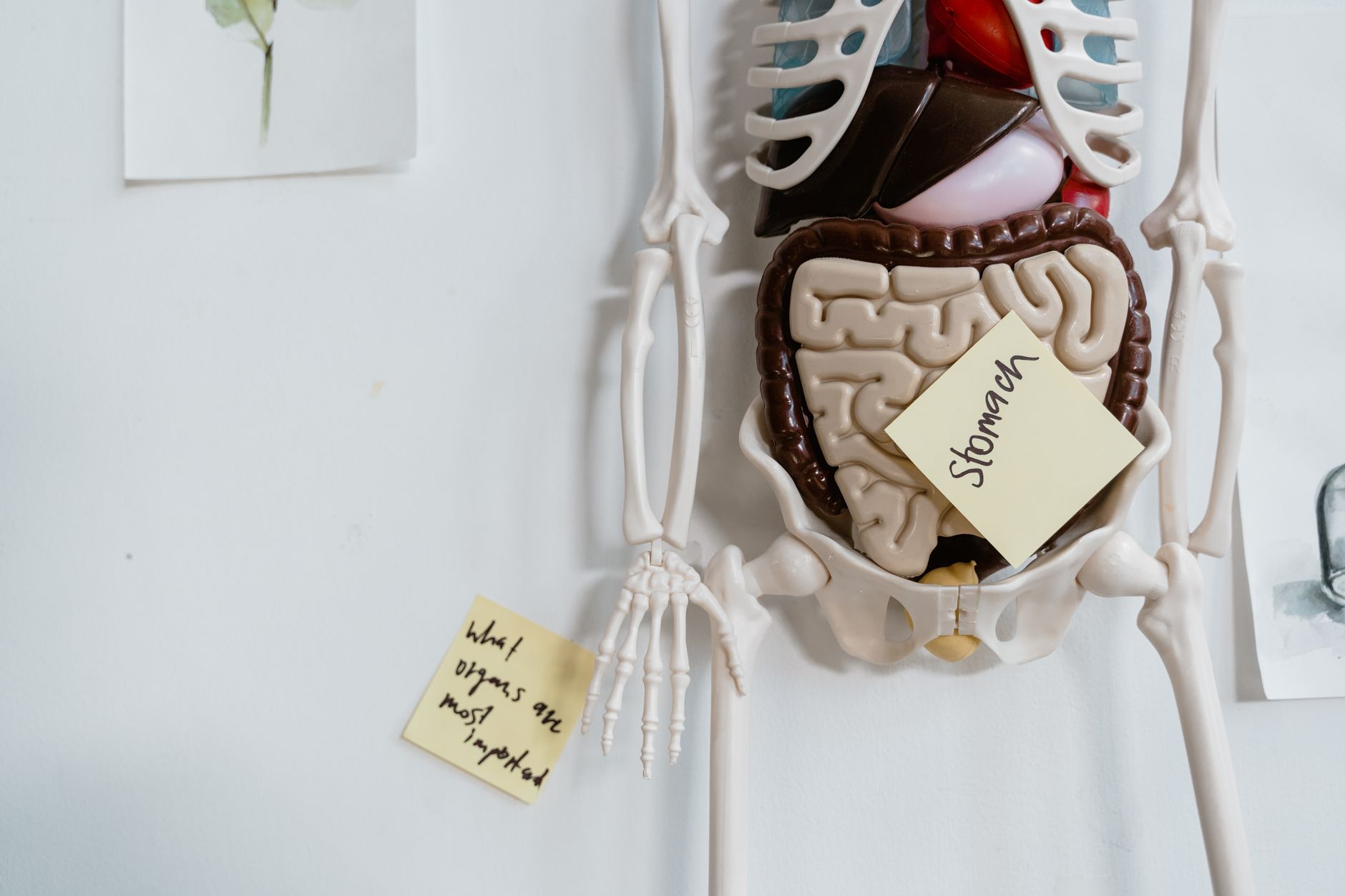
To understand the concern, it helps to know what ibuprofen actually does to your gut. Ibuprofen irritates the stomach lining by reducing the prostaglandins that keep that lining intact. Prostaglandins are signaling molecules your body normally uses to tell the stomach to secrete protective mucus.
Block them, and the barrier weakens. Regular use of NSAIDs like aspirin and ibuprofen can reduce the stomach’s protective mucus production. That alone is the reason doctors tell you to take ibuprofen with food.
Add anything else that stresses that lining and you are compounding the problem.
How Kombucha’s Acidity and Alcohol Fit Into This
Kombucha contains two components relevant here: organic acids and a small amount of alcohol. Both are natural byproducts of fermentation. Yeast in the SCOBY convert sugar into ethanol and carbon dioxide, then acetic acid bacteria convert much of that ethanol into acetic acid.
That acetic acid is what gives kombucha its characteristic tang, and it is also what can irritate an already-sensitive stomach lining. For a healthy stomach on a normal day, that is usually manageable. But pair that acidity with an NSAID that has already stripped back your mucus layer, and the irritation can stack.
The Alcohol Angle: Does It Actually Matter?
This is where the store-bought vs. home-brewed distinction becomes important. Store-bought kombucha in the U.S. must be 0.5% ABV or lower. At that level, the alcohol content in a single 16 ounces (473 ml) serving is roughly comparable to a glass of orange juice, and well below what studies flag as clinically significant for GI risk.
Combining alcohol with medications like ibuprofen, naproxen, aspirin, or celecoxib raises the chance of developing stomach irritation, ulcers, and bleeding, as both substances independently irritate the stomach lining and reduce its protective mechanisms. But the key word is “combining” in a meaningful dose.
Occasionally mixing ibuprofen with a small amount of alcohol typically isn’t harmful, but regularly combining them or taking more than the recommended dose can significantly raise your risk of stomach and intestinal bleeding.
Home-brewed kombucha is a different story. The alcohol content in each batch depends on fermentation time and yeast variety, with homebrewers reporting averages of anywhere from 0.5% to 3% ABV. A batch fermented warm, long, and sealed could sit meaningfully higher than commercial kombucha.
An Interesting Research Note: Kombucha vs. NSAID Gut Damage
There is actually a recent animal study that points in a potentially favorable direction. Kombucha is a fermented beverage with high contents of antioxidants and probiotics, and enteric damage from uncontrolled NSAID consumption is a significant cause of morbidity. Researchers specifically investigated whether kombucha could prevent that damage.
The study demonstrated that kombucha consumption may be a viable strategy to delay NSAID-induced enteric damage through enhancement of intestinal barrier integrity and prevention of dysbiosis. This was a rat study using indomethacin (another NSAID), so it does not translate directly to humans sipping kombucha and taking Advil.
Still, it suggests the probiotic and polyphenol content in kombucha may not be purely harmful in this context. You can read more about kombucha’s broader effects on gut health in our guide to whether kombucha is actually healthy.
What About Antibiotics? A Different Kind of Concern
The interaction between kombucha and antibiotics is different from the NSAID story — it’s not about stomach irritation stacking, it’s about the probiotics in kombucha potentially interfering with the antibiotic’s job.
Here’s the mechanism: Antibiotics work by killing bacteria or stopping their growth. Kombucha contains live probiotic bacteria and yeast. If you drink kombucha while taking certain antibiotics, the antibiotic may target not just the pathogenic bacteria you’re trying to kill, but also the beneficial cultures in your kombucha — and potentially the ones in your own gut microbiome.
More importantly, the probiotics in kombucha might compete with the antibiotic for absorption or create an environment where the medication is less effective. The specifics depend on which antibiotic you’re taking and how it works. Broad-spectrum antibiotics are more likely to affect the probiotic cultures than narrow-spectrum ones.
The practical recommendation is simple: space them out. Most doctors advise taking probiotics at least 2–3 hours away from antibiotics, and ideally waiting until your antibiotic course is complete before reintroducing kombucha or other probiotic-rich foods. This gives the antibiotic time to do its job without interference.
For a deeper breakdown of kombucha and antibiotics, including which antibiotics carry higher interaction risk, see the full guide on kombucha and antibiotic interactions.
Who Should Be Most Cautious
Risk is not uniform. Patients at high risk for GI toxicities include those with a history of peptic ulcer disease or significant alcohol use, defined as 2 or more alcoholic beverages per day. If you fall into any of the groups below, the precautions shift significantly.
What About Other NSAIDs: Aspirin, Naproxen, Celecoxib?
The same logic applies across the class. Combining alcohol with ibuprofen, naproxen, aspirin, or celecoxib raises the chance of stomach irritation, ulcers, and bleeding, as these substances independently irritate the stomach lining and reduce its protective mechanisms. Aspirin carries a particularly high GI risk profile at anti-inflammatory doses, and naproxen (Aleve) has a longer half-life, meaning it stays in your system longer and extends the window during which the interaction matters.
Consuming kombucha with food rather than on an empty stomach may help buffer its acidity and reduce potential irritation. That is simple, practical advice worth following regardless of which NSAID you’re taking.
A Note for Home Brewers Specifically
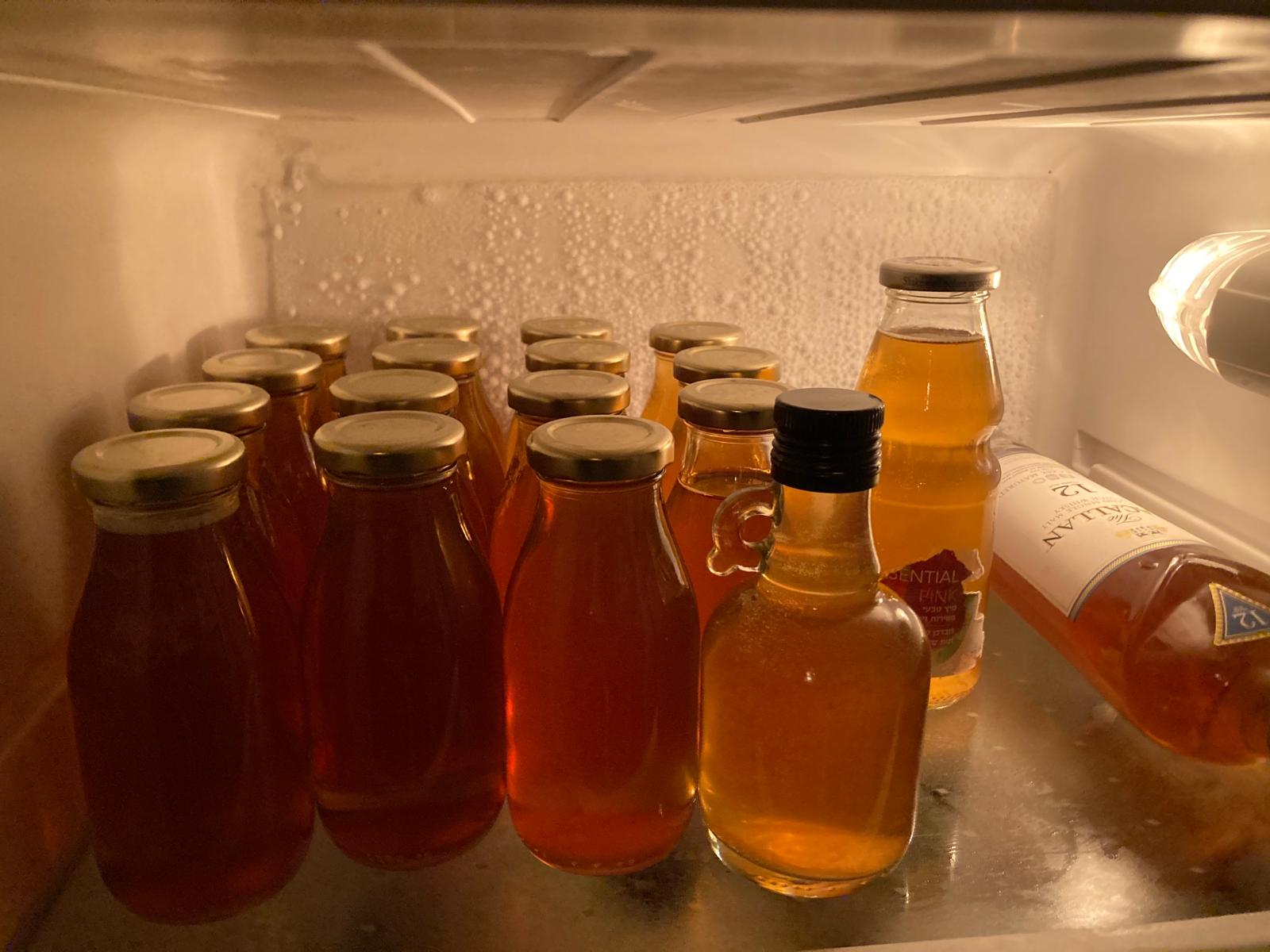
When I was dropping a few of my own bottles at a neighborhood cafe, one of the first questions regulars asked was about mixing kombucha with medication. It is a genuinely common concern, not a fringe one.
Most homemade kombucha likely contains less than 0.5% alcohol, but the content can increase if fermentation is not controlled correctly. Because homemade kombucha is not subject to the same regulations as commercially available kombucha, the individual brewer is responsible for monitoring it.
A warm second ferment (F2) with extra fruit sugar can push ABV noticeably higher. Your kombucha may be higher in alcohol than usual if it had a long, warm, sealed second ferment with lots of added sugar, tastes unexpectedly boozy rather than just tangy, or is extremely fizzy with aggressive foaming. Those are sensory signals worth paying attention to before you take a glass alongside pain relief.
Practical Guidelines: Timing and Approach
Consider avoiding kombucha during acute flare-ups when the stomach lining is most sensitive, and reintroducing it gradually during periods of remission. The same principle applies during an NSAID course, especially if you are taking it for several days in a row.
If you are taking ibuprofen or another NSAID regularly (more than two to three days), the smartest move is to pause your kombucha habit until you are off the medication. An occasional single dose, taken with food? For most healthy people, a small glass of commercial kombucha is unlikely to create a crisis.
But “unlikely to create a crisis” is a low bar, and you are better off informed. For more detail on what kombucha can and cannot do for your gut, see Healthline’s overview of kombucha side effects and a scientific review of kombucha properties (PubMed).
For a fuller picture of how kombucha interacts with medications and health conditions, visit Kommbucha’s home brewing and kombucha guides.
Q: Is there a direct drug interaction between kombucha and ibuprofen?
A: No direct pharmacological drug interaction has been identified in interaction databases. The concern is indirect: both kombucha’s acidity and its trace alcohol content can aggravate the same stomach lining that ibuprofen is already irritating through a different mechanism (COX enzyme inhibition reducing protective prostaglandins).
Q: Does the type of kombucha matter?
A: Yes, significantly. Commercial kombucha must stay under 0.5% ABV in the U.S., which is a very small amount of alcohol. Home-brewed batches can range from 0.5% to around 3% ABV depending on fermentation time, temperature, and sugar added, so the risk profile is higher and less predictable. Hard kombucha (3-8% ABV) should be treated the same as drinking beer alongside an NSAID.
Q: Can kombucha actually help protect against NSAID gut damage?
A: There is one animal study suggesting kombucha’s probiotics and polyphenols may help maintain gut barrier integrity against NSAID-induced damage. However, this research used rats and a specific NSAID (indomethacin), so it should not be used to justify combining the two in humans. The evidence is preliminary and not yet applicable to clinical decisions.
Q: What if I have a history of stomach ulcers or gastritis?
A: You should be cautious on two fronts. NSAIDs are already strongly associated with worsening ulcers and gastritis by reducing the stomach’s protective mucus. Kombucha’s acidity can also irritate a compromised stomach lining. The combination is best avoided, and you should consult your doctor about safe pain relief alternatives.
Q: What about other NSAIDs like naproxen (Aleve) or aspirin?
A: The same concerns apply across the entire NSAID class. All of these medications reduce prostaglandins that protect the stomach lining. Naproxen stays in the body longer than ibuprofen (up to 12 hours), extending the window of potential combined irritation. Aspirin at anti-inflammatory doses carries a high GI risk profile. The safest approach with any NSAID course lasting more than a day or two is to pause kombucha until you are done.
Ofir is a brewer, not a doctor, so anyone with a medical concern should talk to a healthcare professional.
Home kombucha brewer based in Tel Aviv with 6+ years of experience and 500+ batches brewed. I started Kommbucha.com because the information online was scattered or just plain wrong — I wanted advice from someone who actually brews. My kombucha is sold at local Tel Aviv coffee shops and been gifted many times in Detroit, Michigan .