
✍️ Written & Updated by Ofir The Fermenter · 📅 June 8, 2026
I’ll never forget the first time I tasted jun kombucha at a friend’s house in Portland. She handed me a glass of this pale golden liquid with tiny bubbles racing to the surface, and when I took a sip, I was stunned — it tasted like a dry sparkling wine with floral notes and zero alcohol burn. “Wait, this is kombucha?” I asked. She laughed and said, “Welcome to jun.”
That afternoon changed my brewing trajectory completely. I’d been making regular kombucha for about two years at that point, but jun felt like discovering a secret level in a game I thought I’d mastered. The culture is different, the process is faster, and the flavor profile is so much more refined that I now keep both cultures running in my kitchen.
What Makes Jun Different from Regular Kombucha
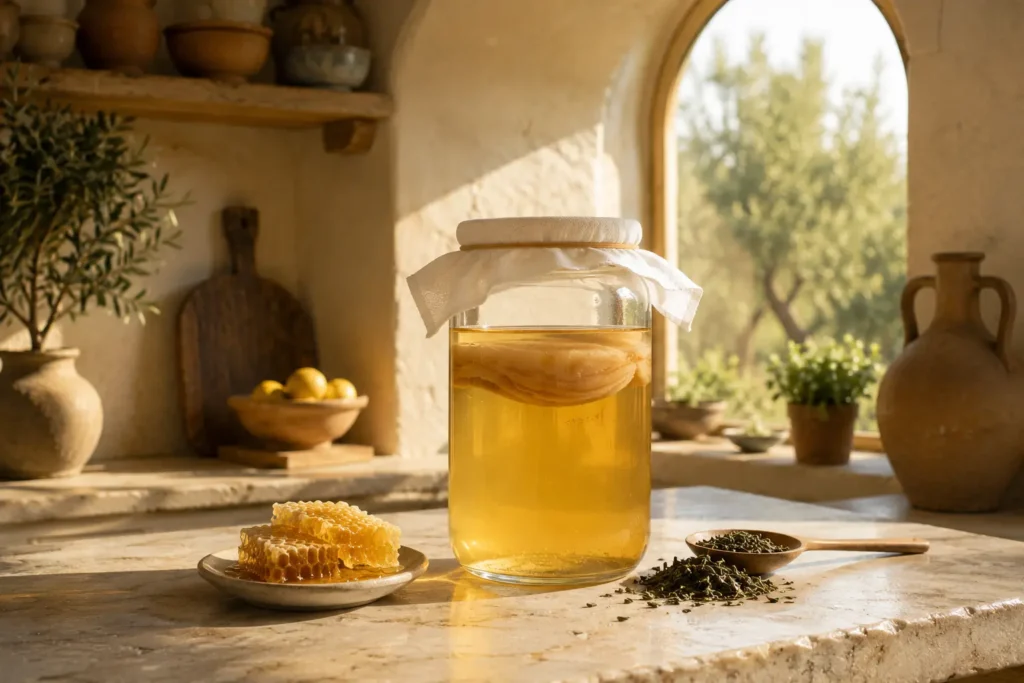
The fundamental difference comes down to two ingredients. Traditional kombucha uses black tea and white cane sugar. Jun uses exclusively green tea and raw, unpasteurized honey. This isn’t just a simple substitution — it’s a completely different fermentation ecosystem.
The jun SCOBY has adapted over generations to metabolize honey’s complex sugars — primarily fructose and glucose — instead of sucrose. According to peer-reviewed research on kombucha fermentation (NIH), different sugar sources create distinct microbial populations, which explains why you can’t just swap honey into a regular kombucha batch and expect the same results.
I learned this the hard way during batch #47 when I tried using my regular kombucha SCOBY with honey. The fermentation stalled after three days, the liquid developed an odd medicinal smell, and the SCOBY looked stressed with brown patches. A proper jun culture, by contrast, thrives in honey and produces that characteristic light, floral flavor. This is the same reason the health benefits of kombucha vary depending on what substrate and culture you use — the microbiology matters.
How Jun Tastes
If regular kombucha is like a robust black coffee, jun is more like a delicate white tea. The flavor tends toward:
- Floral and honey notes that come through even after fermentation
- Champagne-like effervescence with finer, more persistent bubbles
- Lower acidity that’s gentler on sensitive stomachs
- Subtle sweetness that balances the tartness without being cloying
The reduced acidity happens because jun ferments faster and at slightly cooler temperatures, which affects how much acetic acid the bacteria produce. Acetic acid is what gives kombucha that vinegary punch — in jun, you get more lactic acid from Lactobacillus bacteria, which creates a smoother, rounder sourness similar to yogurt rather than vinegar. This is part of what makes jun such an effective probiotic drink — the lactic acid bacteria are particularly beneficial for gut health.
When I serve jun to friends who claim they don’t like kombucha, about 80% of them change their minds. The lighter profile is simply more approachable, especially for people who find regular kombucha too aggressive.
You Need a Specific Jun SCOBY
This is the part that trips up most beginners: you cannot make authentic jun with a standard kombucha SCOBY. The microbial composition is genuinely different. A jun SCOBY contains strains of bacteria and yeast that have specifically adapted to honey’s antimicrobial properties and unique sugar profile.
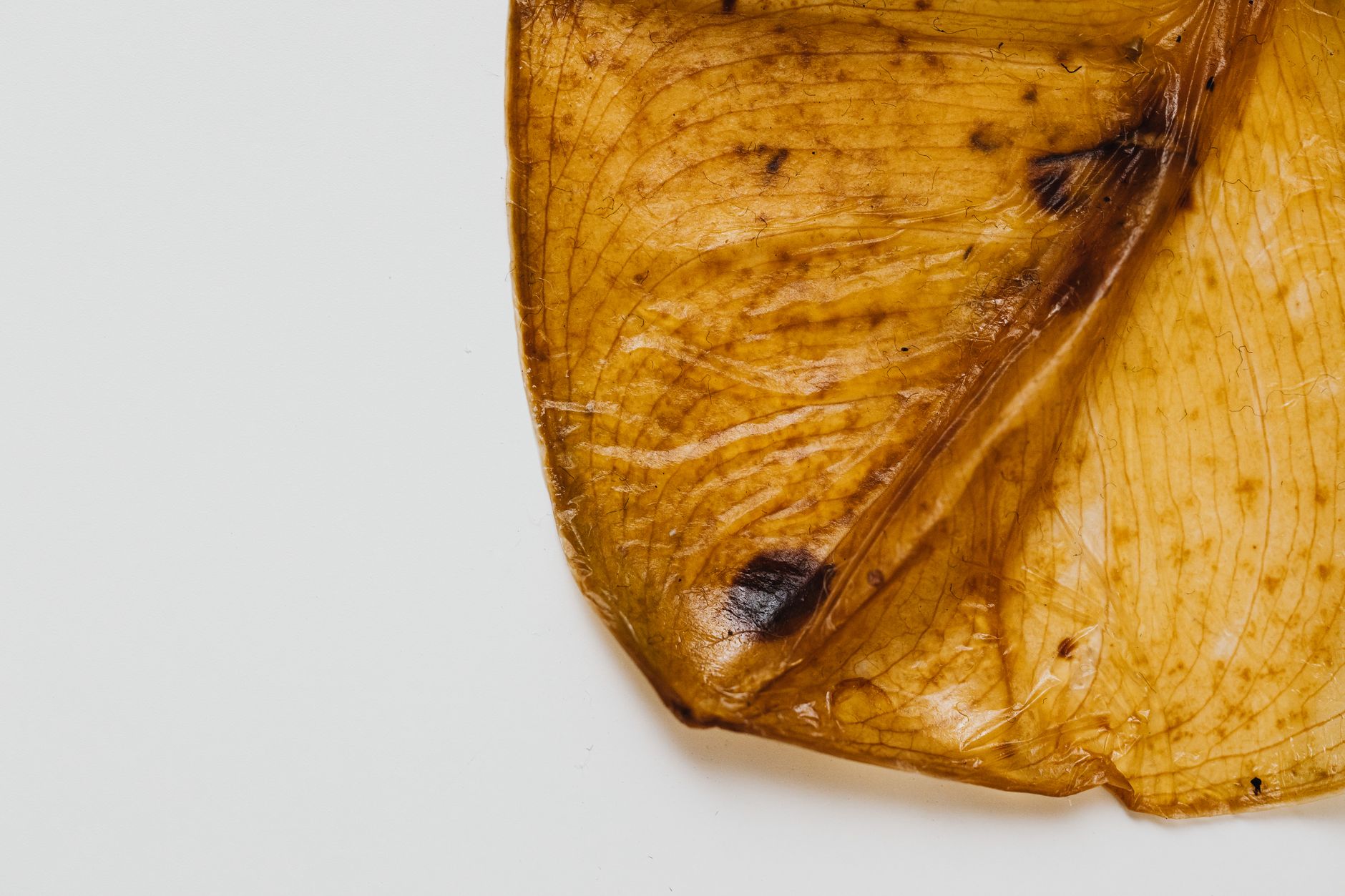
Raw honey contains hydrogen peroxide, enzymes, and other compounds that would stress or kill a regular kombucha culture. Jun cultures have evolved to not just tolerate these compounds but actually use them in the fermentation process. This is why jun SCOBYs often look thinner and more translucent than their kombucha cousins — they’re structurally different. For more on what makes a healthy SCOBY, see Healthline’s guide to kombucha SCOBY.
You’ll need to source a jun SCOBY from someone already brewing jun, or purchase one from a reputable supplier. Once you have it, treat it as a completely separate culture. I keep my jun setup on the opposite side of my kitchen from my regular kombucha to avoid cross-contamination.
How to Brew Jun Kombucha
Here’s the method I’ve refined over about fifty batches. The ratios and timing work consistently in a kitchen kept between 68–75°F (20–24°C).
Ingredients for one gallon of jun
- 1 gallon filtered or spring water (chlorine will harm the culture)
- 4–5 tablespoons loose green tea or 8–10 green tea bags
- ½ to ¾ cup raw, unpasteurized honey
- 1 jun SCOBY with at least 1 cup jun starter liquid
Step 1: Brew and sweeten the tea
Bring one quart of water to about 175°F (80°C) — not quite boiling, as green tea gets bitter with boiling water. Steep the tea for 3–5 minutes, then remove the leaves or bags. Stir in the honey until completely dissolved. I usually go with ⅔ cup for a balanced sweetness, but adjust based on how sweet or dry you want the final product.
Add the remaining three quarts of cool water to bring the temperature down quickly. This is important: jun cultures prefer cooler fermentation temperatures than regular kombucha, and you never want to add your SCOBY to liquid warmer than 85°F (29°C) or you’ll damage it.
Step 2: Add the SCOBY and starter liquid
Once your sweet tea has cooled to room temperature — 70–75°F (21–24°C) is ideal — pour it into a clean glass jar. Add your jun SCOBY and the starter liquid. The starter liquid is crucial: it drops the pH immediately, which protects the batch from harmful bacteria during the vulnerable first 24 hours.
Cover the jar with a tight-weave cloth or coffee filter secured with a rubber band. You want airflow but not fruit flies — they are absolutely relentless when they detect fermenting honey.
Step 3: Ferment for 4–7 days
Place the jar somewhere with stable temperature between 68–75°F (20–24°C), out of direct sunlight. Jun ferments significantly faster than regular kombucha. I usually start tasting at day 4, and most batches are ready by day 6.
You’ll know it’s done when:
- The taste has shifted from sweet to pleasantly tart with remaining honey notes
- A new SCOBY layer has formed on the surface — thin and almost translucent
- Small bubbles indicate active fermentation
- The pH has dropped to around 3.0–3.5 (I use pH strips)
In batch #63, I left jun fermenting for 10 days during a cold week when my kitchen dropped to 65°F (18°C), and it was still drinkable but had lost that delicate honey character. Temperature matters more with jun than regular kombucha.
Step 4: Bottle and carbonate
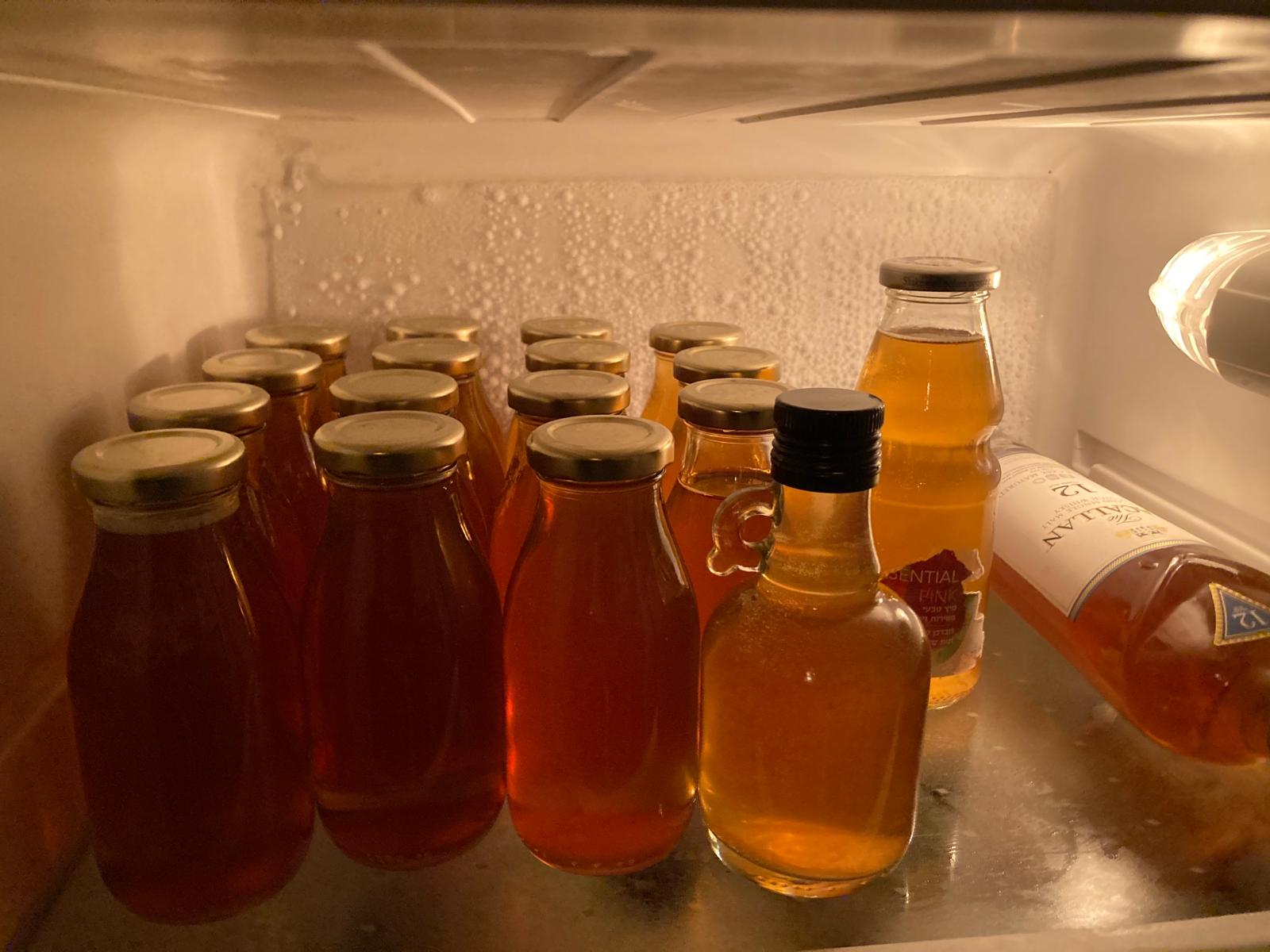
Reserve 1–2 cups of finished jun along with your SCOBY for the next batch. Bottle the rest in flip-top bottles, leaving about an inch of headspace. You can drink it as-is, or do a second fermentation to build carbonation.
For carbonation, add about ½ teaspoon of additional honey or a splash of fruit juice to each 16-oz bottle, seal tightly, and leave at room temperature for 2–3 days. Jun carbonates more aggressively than regular kombucha, so burp the bottles daily and refrigerate once you hear a good “psssht” when you crack one open. For more flavor ideas during second fermentation, check my kombucha flavours guide — most combinations work equally well with jun.
Fermentation Time and Temperature
This is worth emphasizing because it’s the most common source of confusion. Regular kombucha takes 7–14 days at 75–85°F (24–29°C). Jun takes 4–7 days at 68–75°F (20–24°C). The cooler temperature and faster fermentation create that lighter acid profile.
Jun is also more sensitive to temperature fluctuations. During summer when my kitchen hits 78°F (26°C), I move my jun jar to the coolest spot near the floor. In winter, I sometimes wrap a heating pad set on low around the jar to keep it from dropping below 68°F (20°C) — below that, fermentation slows to a crawl and off-flavors can develop.
Why Raw Honey Matters
I cannot stress this enough: pasteurized honey will not produce authentic jun. The jun SCOBY has co-evolved with the enzymes, pollen, and trace compounds in raw honey. When those are destroyed by heating, the fermentation changes fundamentally.
I buy my honey from a local beekeeper at the farmers market, but any raw honey works. Look for labels that specifically say “raw” and “unpasteurized.” According to a scientific review of kombucha’s active compounds (PubMed), the substrate significantly influences the probiotic diversity and metabolite production of the finished drink.
I once ran out of my usual honey and tried organic honey from the grocery store without checking the label. It was pasteurized. That batch took nine days to ferment, tasted flat and slightly metallic, and the SCOBY looked unhappy. Read labels carefully.
Troubleshooting
Batch tastes too sweet after 7 days
Your fermentation temperature is probably too cool, or your SCOBY is weak. Try moving the jar to a warmer spot around 72–74°F (22–23°C) and make sure you’re using enough starter liquid — at least 1 cup per gallon. A new SCOBY sometimes needs 2–3 batches to really get going.
Batch tastes too vinegary too quickly
Either your environment is too warm (above 76°F / 24°C), or you’re using too much starter liquid. Try using just ¾ cup starter next time and check your fermentation temperature. Also taste earlier — jun can go from perfect to over-fermented in just 24 hours.
SCOBY looks brown or develops dark spots
This usually means yeast overgrowth or stressed bacteria. Make sure your tea isn’t too hot when you add the SCOBY, and verify you’re using raw honey. Also check that your water is chlorine-free. If the SCOBY smells bad or looks fuzzy, discard it and start with a fresh culture.
Very little carbonation in second fermentation
Jun needs less added sugar for carbonation than regular kombucha because honey ferments so readily. Try just ¼ teaspoon honey per 16-oz bottle and give it 3 full days at room temperature. Make sure your bottles seal tightly — flip-top bottles work better than screw-caps for building pressure.
Can You Convert a Regular SCOBY to Jun?
Technically, some people claim you can “train” a kombucha SCOBY to adapt to honey by gradually increasing the honey-to-sugar ratio over multiple batches. I tried this over eight batches, and while the SCOBY eventually tolerated honey, the resulting drink never tasted like authentic jun — it was somewhere in between, lacking that characteristic floral lightness.
The microbial adaptation takes generations, and you’re essentially trying to force evolution in your kitchen. It’s much easier to just get a proper jun SCOBY from the start. If you’re already brewing regular kombucha, maintaining both cultures isn’t significantly more work, and you get two distinctly different beverages from the same kitchen setup.
Frequently Asked Questions
Q: Is jun kombucha healthier than regular kombucha?
A: Both contain beneficial probiotics and organic acids, but jun may be gentler on sensitive stomachs due to its lower acetic acid content and higher proportion of lactic acid bacteria. Raw honey also contributes trace enzymes and antioxidants not present in refined sugar. However, jun contains slightly more calories per serving due to the honey. The “healthier” choice depends on your individual digestive tolerance — both are excellent fermented drinks with real probiotic benefits.
Q: How much does it cost to make jun kombucha at home?
A: The main expense is raw honey, which costs $8–15 per pound depending on your source. One gallon of jun uses roughly $3–4 worth of honey, plus about $0.50 in green tea, bringing each batch to around $4 total. That produces eight 16-oz servings at roughly $0.50 each, compared to $4–6 for store-bought bottles. The initial SCOBY investment ($15–25) pays for itself after about three batches.
Q: Can I use any type of green tea for jun kombucha?
A: Plain green tea works best — avoid flavored or herbal varieties, as added oils and compounds can inhibit fermentation or create off-flavors. I’ve had good results with sencha, Chinese green tea, and white tea. Matcha doesn’t work because the powder doesn’t strain out cleanly. Stay away from anything with bergamot, jasmine flowers, or other additions for your base batch, though you can experiment with flavored teas during second fermentation.
Q: Why does my jun SCOBY look different from my kombucha SCOBY?
A: Jun SCOBYs tend to be thinner, more translucent, and often slightly cream-colored rather than the tan or brown of kombucha SCOBYs. This reflects the different cellulose structure produced by bacteria adapted to honey rather than sugar. Jun cultures also often have a more delicate, lacy appearance with visible yeast strands. Both differences are completely normal and indicate a healthy jun-specific culture.
Q: How long does jun kombucha last in the refrigerator?
A: Properly bottled jun stays fresh for 2–3 months refrigerated, though the flavor continues evolving — becoming slightly drier and more acidic over time as slow fermentation continues even in cold storage. The carbonation also gradually diminishes. I find jun tastes best within the first month of bottling. Always check for off-smells or unexpected mold before drinking older bottles, though properly fermented jun with its low pH is quite stable.
Home kombucha brewer based in Tel Aviv with 6+ years of experience and 500+ batches brewed. I started Kommbucha.com because the information online was scattered or just plain wrong — I wanted advice from someone who actually brews. My kombucha is sold at local Tel Aviv coffee shops and been gifted many times in Detroit, Michigan .