
✍️ Written & Updated by Ofir The Fermenter · 📅 October 20, 2026
The short answer is that expired kombucha is usually safe, but there is an important gap between “safe” and “still good for you.” The distinction matters.
What “Expired” Actually Means on a Kombucha Label
Kombucha does not spoil the way milk does. It keeps slowly fermenting, turning more vinegary and losing its fizz over time.
Consuming kombucha a few weeks or even months beyond the expiration date is generally safe. The fermentation process acts as a natural preservative.
Think of the date as a taste guarantee, not a safety cliff. The brew keeps going after you bottle it.
The Science: Why Kombucha Resists Spoilage
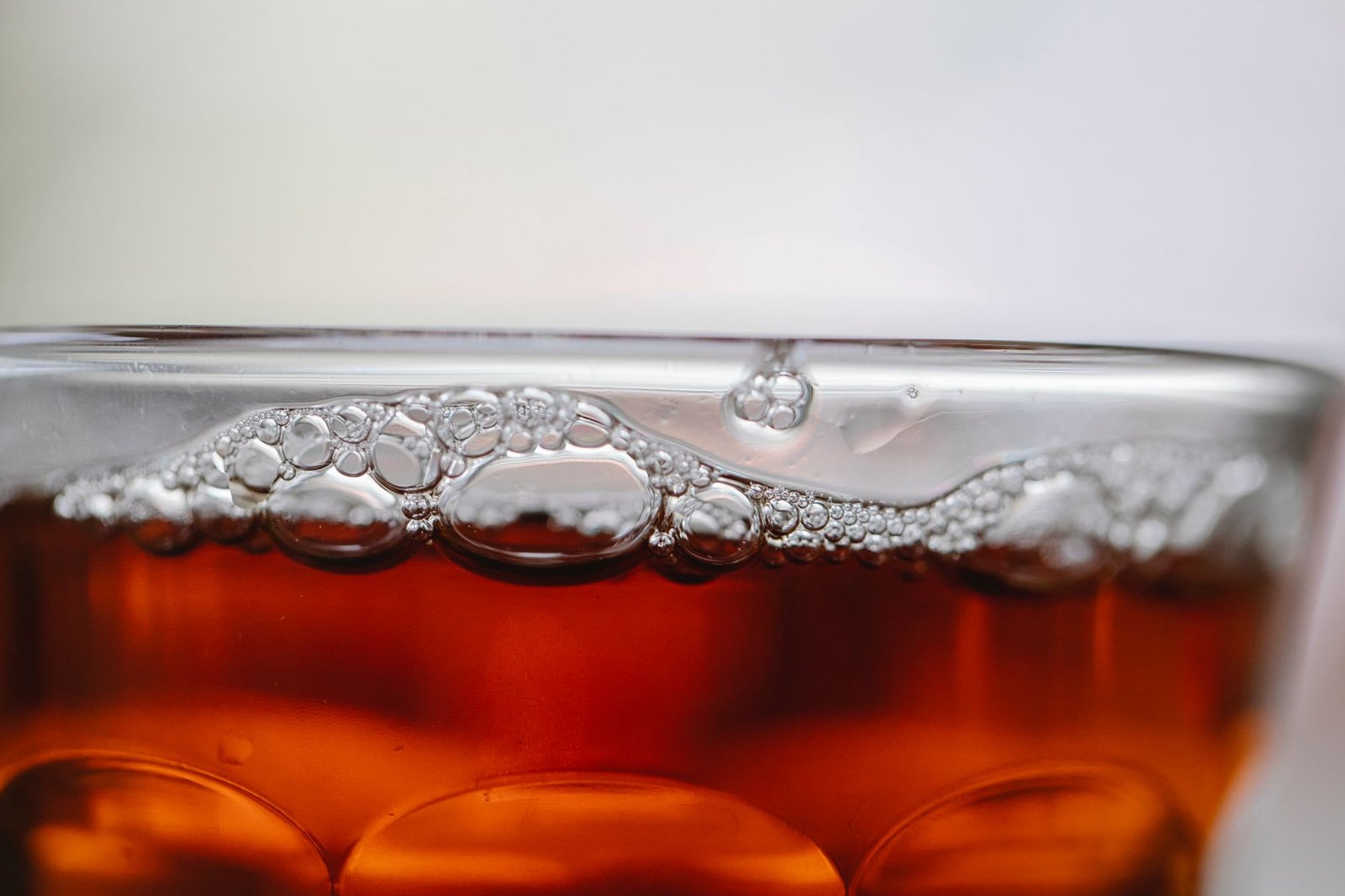
Organic acids in kombucha, primarily acetic acid, lower the pH and disrupt pathogen cell membranes. This sourness is the defense system.
Acetic acid also works with other antimicrobial compounds in the SCOBY, including various polyphenols. As covered in a 2025 review of kombucha research in Frontiers, these functional features are a growing area of research.
What Actually Degrades Over Time
Safety and quality are two different things. Past the best-by date, quality does slip.
After 12 weeks of refrigerated storage at 39°F (4°C), probiotic populations decreased significantly. Much of the functional value has quietly left the bottle.
If you care about whether kombucha is healthy, freshness matters more than you might think.

How to Tell If It’s Still Good: A Quick Sensory Check
Your senses are the most reliable tool here. Use your best judgment with any off flavors or smells.
- Smell: A sharp, tangy, vinegary aroma is normal. Foul, putrid, or chemical odors are not.
- Look: Sediment and yeast strands at the bottom are fine. Fuzzy growth on the surface is not.
- Taste: Sour and flat is just aged kombucha. Bitter, chemical, or rotten means discard.
- Carbonation: Loss of fizz is a quality issue, not a safety one.
The one hard stop is mold. Never drink kombucha if you believe it is moldy, which can produce mycotoxins. Check the guide on kombucha mold vs scoby before you decide.
When Expired Kombucha Can Cause a Problem
Kombucha is fermented and acidic, so it is naturally resistant to harmful bacteria. However, it can go bad in terms of taste or contamination.
When opened, kombucha can come into contact with airborne spores, which can trigger mold growth if improperly sealed. Consuming moldy kombucha can lead to allergic reactions.
Older opened bottles left at room temperature are the real risk. Sealed, refrigerated bottles are a much lower concern.
Opened vs. Unopened: The Storage Gap
In the fridge, unopened store-bought kombucha keeps for 6 to 8 months. Opened bottles last 7 to 14 days. Homemade kombucha lasts 1 to 3 months.
Once you crack the seal, the clock runs faster. Carbonation escapes and the acidity profile can shift. An already-opened store bottle is a different situation from a sealed one.
For a deeper look at fridge timelines and storage tips, see how long does kombucha last in the fridge.
The Bottom Line on Expired Kombucha Safety
Past the best-by date, your kombucha is almost certainly safe if stored correctly and shows no mold or off-smells. What you are really losing is flavor and probiotic potency.
If you want the functional benefits, drink it fresh. If you just want a tart, fizzy drink, a bottle a few weeks over date will do the job fine.
Q: Is expired kombucha safe to drink?
A: Yes, in most cases. Expired kombucha is generally harmless and may simply become less carbonated or lose some probiotic properties over time. As long as it shows no signs of contamination or mold, drinking it is unlikely to pose health risks.
Q: Can expired kombucha make you sick?
A: Plain aged kombucha rarely causes illness. Moldy or contaminated kombucha can cause stomach upset and nausea, but that is contamination, not simple age. If there is no mold, the risk of getting sick is low.
Q: How long is kombucha good after the best-by date?
A: Quality declines faster than safety does. Kombucha a few weeks or months past its date is generally safe. An unopened, refrigerated bottle several weeks past its date is usually fine. Once opened, aim to finish it within 1 to 2 weeks.
Q: Does kombucha lose its probiotics when it expires?
A: Yes, noticeably. Many probiotic strains fail to remain viable throughout fermentation and storage. By the time a bottle is past its best-by date, probiotic counts are likely well below their peak.
Q: Should I refrigerate kombucha to make it last longer?
A: Absolutely. Cold storage at 39°F (4°C) is the most suitable condition for maintaining probiotic viability. Cold temperatures slow continued fermentation, preserve carbonation, and keep microbial populations stable. Unrefrigerated kombucha ferments faster.
Ofir is a brewer, not a doctor, so anyone with a medical concern should talk to a healthcare professional.
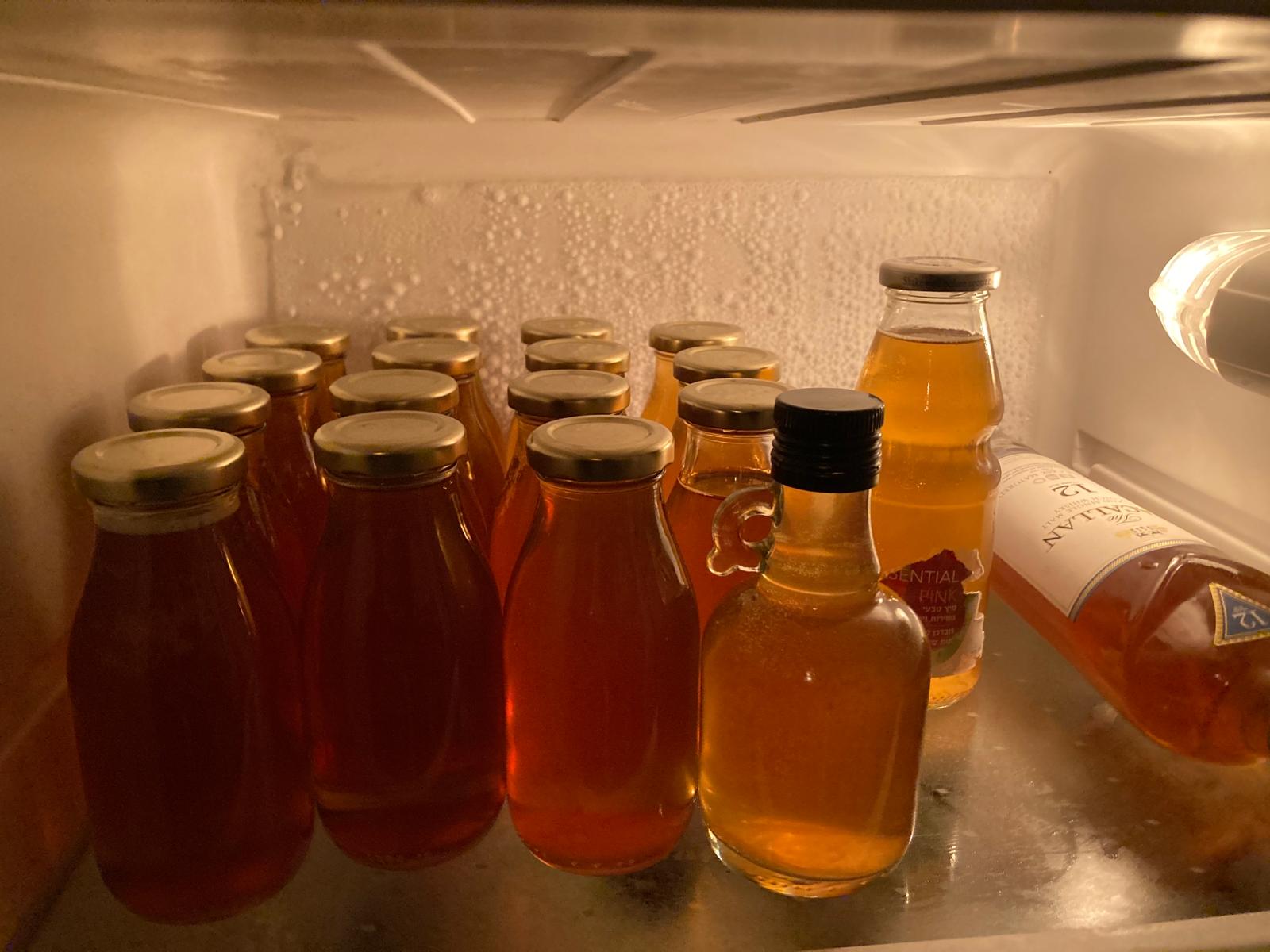
Home kombucha brewer based in Tel Aviv with 6+ years of experience and 500+ batches brewed. I started Kommbucha.com because the information online was scattered or just plain wrong — I wanted advice from someone who actually brews. My kombucha is sold at local Tel Aviv coffee shops and been gifted many times in Detroit, Michigan .