
✍️ Written & Updated by Ofir The Fermenter · 📅 July 11, 2026
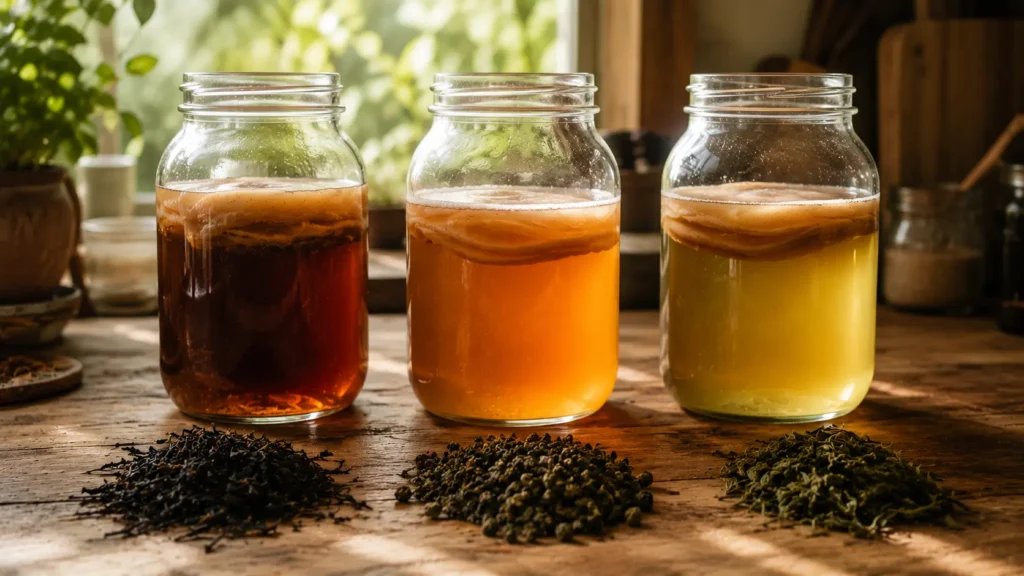
Choosing the best tea for kombucha is one of those decisions that genuinely shapes every batch you make. The tea isn’t just a flavor base. It’s the primary food source for your SCOBY, and getting this choice right means the difference between a thriving culture and a slow, weak ferment.
Here’s everything you need to know about the three main contenders: black, green, and oolong.
Why Tea Type Actually Matters for Kombucha
Tea provides not just flavor, but the nutrients (particularly nitrogen, caffeine, and tannins) that your SCOBY needs to thrive. Think of it less like choosing a flavor profile and more like choosing what to feed a living culture.
The bacteria and yeast within the SCOBY use the compounds in tea to ferment the sugars and create the acids that give kombucha its tangy flavor. That tangy kick you love? It’s not just from sugar. Tea compounds actively drive the process.
Here’s the simple science: the SCOBY converts sugar to alcohol through yeast fermentation, and then the alcohol is converted to acetic acid through bacterial fermentation, creating a fizzy carbonated drink. Acetic acid bacteria need the right tea nutrients to stay vigorous enough to do their job.
Recent research backs this up. According to peer-reviewed research on kombucha fermentation (NIH), the type of tea acts as a specific matrix that shapes the course of fermentation and the final composition of kombucha, with individual teas differing in their content of polyphenols, catechins, caffeine, and other bioactive compounds.
These compounds are subsequently metabolized by SCOBY microorganisms, meaning fermentation proceeds with different dynamics. The type of tea plant chosen, the duration of fermentation, the types of microorganisms involved in the SCOBY, and their metabolic activities have all been found to influence the quantity of bioactive substances in the final product.
Black Tea: The Reliable Workhorse
Black tea is the most popular base for kombucha brewing for a good reason. It offers the right balance of flavor, tannins, and nutrients. It’s also the most forgiving for new brewers.
Black teas, which have been oxidized more than green, white, or oolong teas, contain the most polyphenolic compounds, meaning more food for your kombucha culture to eat. A well-fed culture ferments faster, produces better acid protection, and grows a thicker SCOBY layer.
Black tea is the traditional raw material used in kombucha production since it provides various nutrients for activating the SCOBY. If you’re starting a SCOBY from scratch or nurturing a young culture, this is your safest bet.
Good varieties to reach for include Darjeeling, Assam, Ceylon, English Breakfast, and Orange Pekoe. Any of those plain, unflavored options will serve you well. Black tea often produces thicker, faster SCOBY growth.
Green Tea: Lighter, Antioxidant-Rich, Worth It
Green tea makes a genuinely delicious kombucha. It yields a much milder and softer brew than black tea. If you find commercial kombucha too sharp, a green tea base might be exactly what you’re after.
There are real health benefits associated with going green. Green tea contains many bioactive compounds, such as polyphenols, which are powerful antioxidants in the body, and kombucha made from green tea contains many of the same plant compounds and presumably boasts some of the same benefits.
Green tea, due to its minimal processing, has a high concentration of EGCG (epigallocatechin gallate), a tannin compound that has attracted significant research interest as an antioxidant. It’s one reason green tea kombucha has developed such a loyal following among health-focused brewers.
The one caveat: if you find that when brewing with green tea the flavor is too bland or vegetal on its own, you can mix in some black tea to help offset that. A 50/50 blend with black is a popular choice and gives you the antioxidant profile of green with the bold fermentation support of black.
Oolong Tea: The Underrated Middle Ground
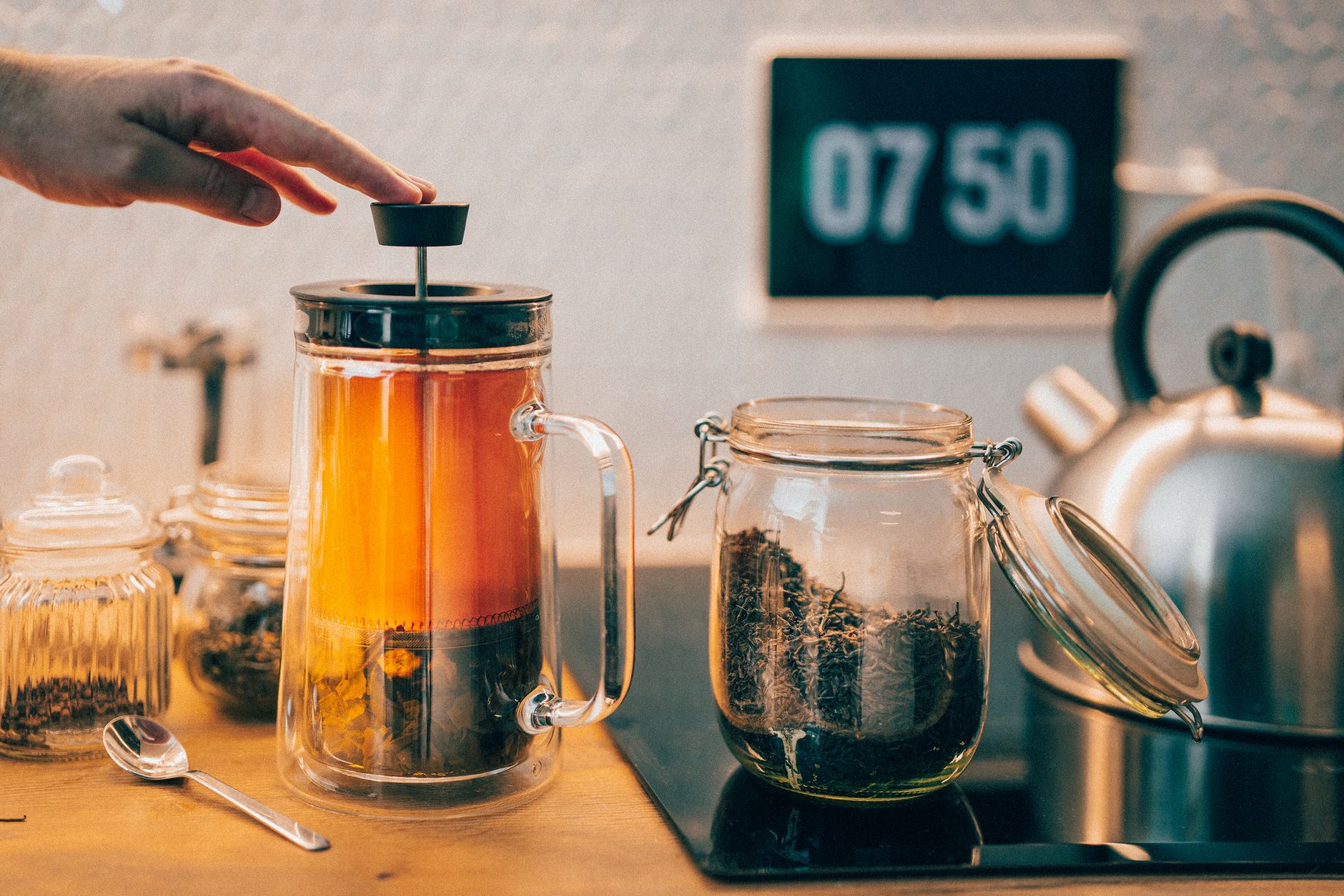
Oolong tea is best described as a bridge between green and black tea, since its flavor and caffeine content lie somewhere between the two, depending on the leaves, brand, and how long it’s been oxidized.
Oolong is a partially oxidized tea that offers a middle ground of flavor between green and black tea. Lightly oxidized oolong teas have a light body and sweet, floral flavors while heavily oxidized oolongs are bolder and more robust. The tea also boasts high amounts of catechins and tannins that SCOBYs need to produce fermented, sour kombucha blends.
The honest tradeoff: a good oolong costs more than a basic black, and the flavor nuance mostly disappears after fermentation anyway. If you already drink oolong and have a stash on hand, by all means use it.
If you’re buying specifically for brewing, a good plain black or green will give you more consistency per dollar. That said, oolong gives a less bitter kombucha than black tea, but more robust than green tea kombucha, making it a well-balanced and affordable choice when you can find a solid mid-range loose-leaf variety.
For a flavor-forward brewer who wants something more nuanced, it’s well worth experimenting with. Check out how to brew kombucha for tips on dialing in fermentation time with each tea type.
Side-by-Side Comparison
Blending Teas: The Smart Brewer’s Move
You don’t have to pick just one. Most kombucha brewers will either use only black tea, or a combination of black and green, although oolong and white tea work as well. Blending lets you pull strengths from multiple teas at once.
A blend of black, green, and white teas can produce a well-rounded flavor with both floral and earthy notes. Similarly, combining oolong tea with black or green tea can create a complex and sophisticated flavor profile.
A good starting ratio for a classic blend is 75% black and 25% green. Once your SCOBY is established and you’ve got a consistent rhythm, you can start pushing the green higher or swapping in oolong for half the black. This is where home-brewing gets genuinely fun.
If you’re curious about how tea choices fit into the bigger history of this drink, our post on the origin of kombucha is worth a read.
One Brewing Lesson From the Field
A small US coffee shop I advised had their house kombucha coming out too sour batch after batch. We eventually traced part of it to a very strong black tea steep that was amplifying the acidity. Pulling the first ferment a couple of days shorter and softening the base with 30% green tea smoothed the flavor out considerably.
Tea type and steep time work together. If your black tea kombucha consistently overshoots on tartness, try pulling it earlier or lightening the base with green or oolong before adjusting anything else.
Teas You Should Avoid
Not all tea is SCOBY-friendly. The big one to skip is Earl Grey. Earl Grey is flavored with the essential oil extracted from the rind of the Bergamot orange. In nature, plants produce essential oils specifically to protect their fruit from rot, meaning from bacteria and fungi.
Bergamot oil contains compounds like Linalool and Linalyl acetate, which are potent antimicrobials. When you introduce these into your brewing vessel, they attack the cell membranes of your SCOBY’s bacteria. It usually won’t kill the culture instantly, but the damage is cumulative.
The bacterial colony weakens, the acid production slows down, and the pH fails to drop fast enough. That’s exactly the kind of environment where mold gets a foothold. For the strongest, healthiest kombucha, use only pure tea without any flavorings, essences, or oils added to them.
Even if they’re “natural” flavors, they could weaken your SCOBY over time. Herbal “teas” like chamomile, peppermint, and rooibos also lack the nitrogen, tannins, and caffeine the SCOBY needs, so they can starve your culture when used as a sole base. Save those for second-ferment flavoring, not first ferment.
Loose Leaf vs. Tea Bags
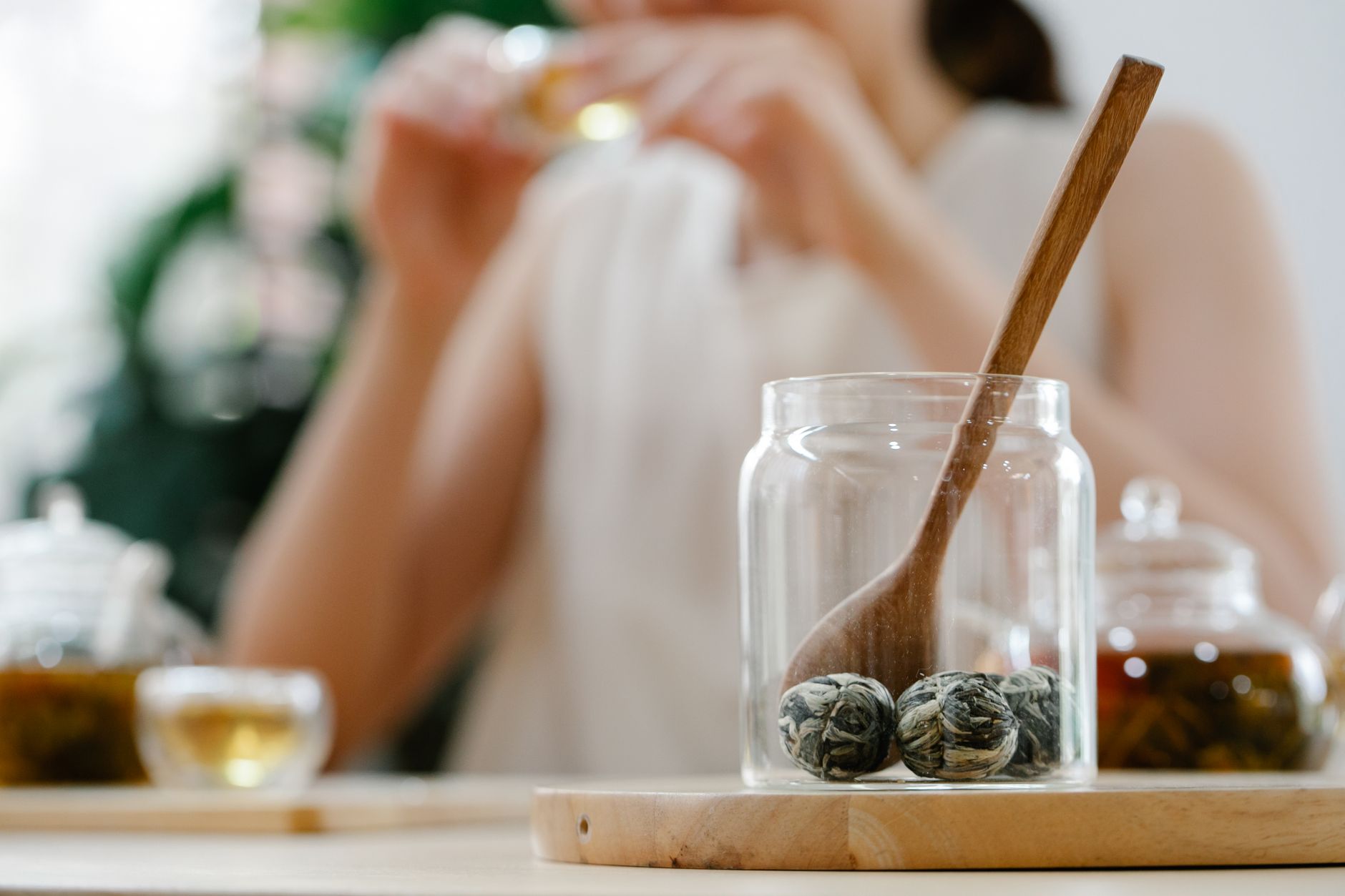
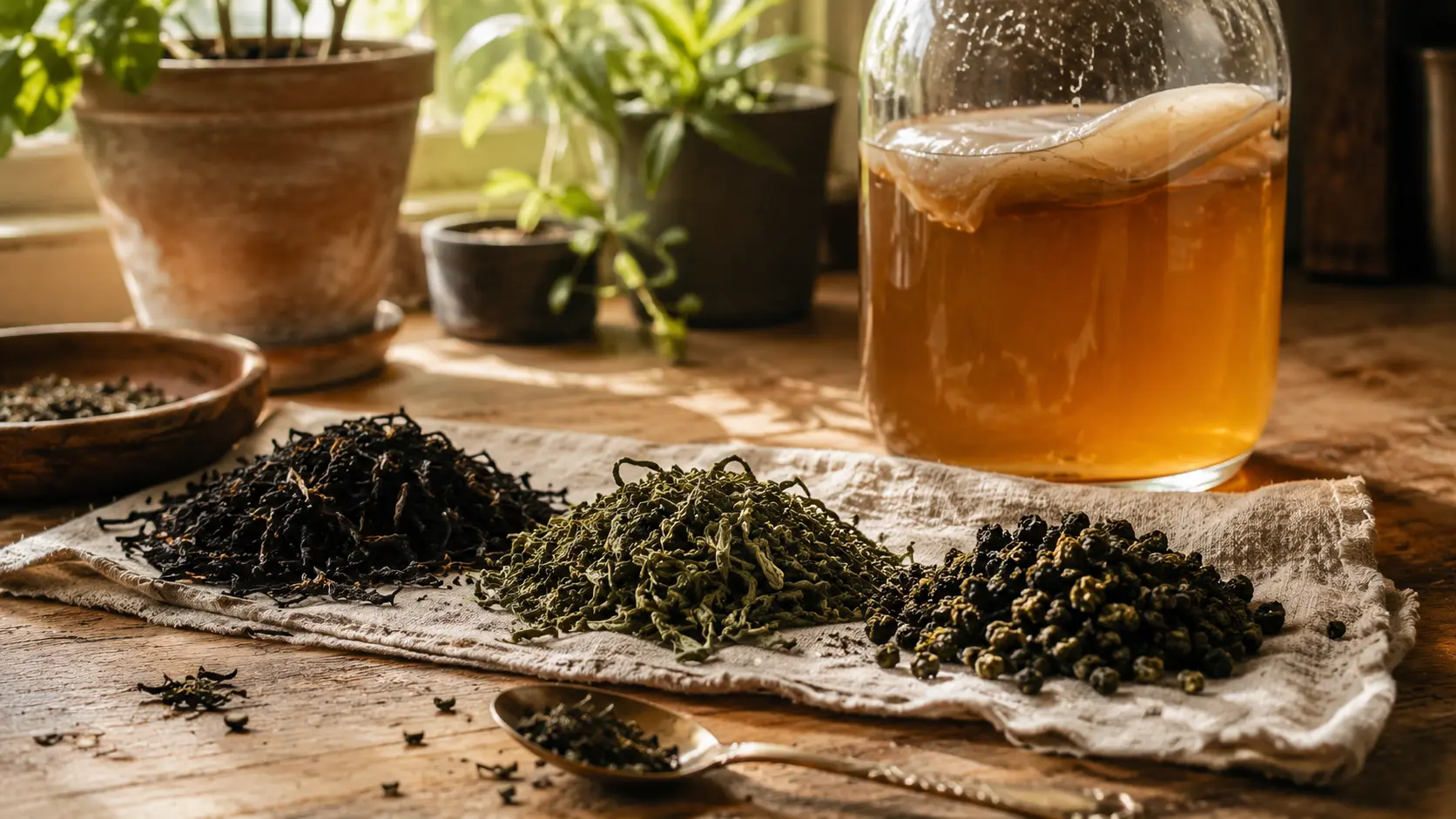
This matters more than most people realize. Loose-leaf teas tend to be better quality all-around. Tea bags often contain poor-quality or small, chopped-up pieces of tea, which can lead to bitter brews if steeped for a long time.
With kombucha, you want a long steep time so you can extract as many nutrients from the leaves as possible. If bags are all you have access to, that’s fine, but look for bags with whole or large-cut leaves and make sure they’re plain and unflavored.
If your tea leaves are coated in pesticides, those chemicals will show up in your brew, and the same chemicals can inhibit the fermentation process and eventually kill your SCOBY. Organic is worth the small price bump.
For a deeper look at the science behind what makes kombucha healthy, check out a scientific review of kombucha’s active compounds (PubMed). It’s a solid read if you want to understand what your SCOBY is actually producing.
Ready to put this into practice? Head over to Kommbucha’s home brewing and kombucha guides for step-by-step help from starter tea to second ferment.
A Note on Health Claims
Kombucha contains bioactive compounds such as organic acids, antioxidants, and probiotics, which are linked to potential health benefits including improved digestive health, enhanced immune function, and antioxidant activity. That said, the specific benefits vary by tea type and fermentation conditions.
Every kombucha is unique and the degree of benefits may vary depending on the polyphenol concentrations in the tea used. While some studies have demonstrated these positive health effects, more clinical studies are needed before we can say these health claims are definitely true. Brew it because you love the taste and the craft. Any health perks are a bonus.
Q: What is the best tea for kombucha for beginners?
A: Plain, organic black tea is the best starting point. It’s rich in tannins and polyphenols, supports vigorous SCOBY growth, and produces a consistent, reliable ferment. Ceylon and English Breakfast varieties both work great.
Q: Can you use green tea alone for kombucha, or does it need to be blended?
A: You can absolutely brew with green tea on its own. It produces a lighter, milder kombucha with a good antioxidant profile. If the flavor comes out too vegetal or thin, blend it 50/50 with black tea for more body.
Q: Is oolong tea good for kombucha SCOBY health?
A: Yes. Oolong contains the tannins, catechins, and caffeine the SCOBY needs, so it supports healthy fermentation. Its partial oxidation sits between black and green, giving a balanced brew. The main downside is cost compared to basic black tea.
Q: Why can’t you use Earl Grey tea for kombucha?
A: Earl Grey is scented with bergamot oil, which is antimicrobial. Over repeated batches, it attacks the bacteria in your SCOBY, weakens acid production, and creates conditions where mold can take hold. Stick to plain, unflavored tea for first ferment.
Q: Does the type of tea you use change the health benefits of kombucha?
A: It can. Green tea kombucha carries over green tea’s polyphenols, including EGCG, while black tea kombucha is richer in other tannin-derived compounds. The overall health picture also depends on fermentation time, SCOBY health, and the rest of your diet. No single tea is a magic bullet, but using quality Camellia sinensis tea gives you the best foundation.
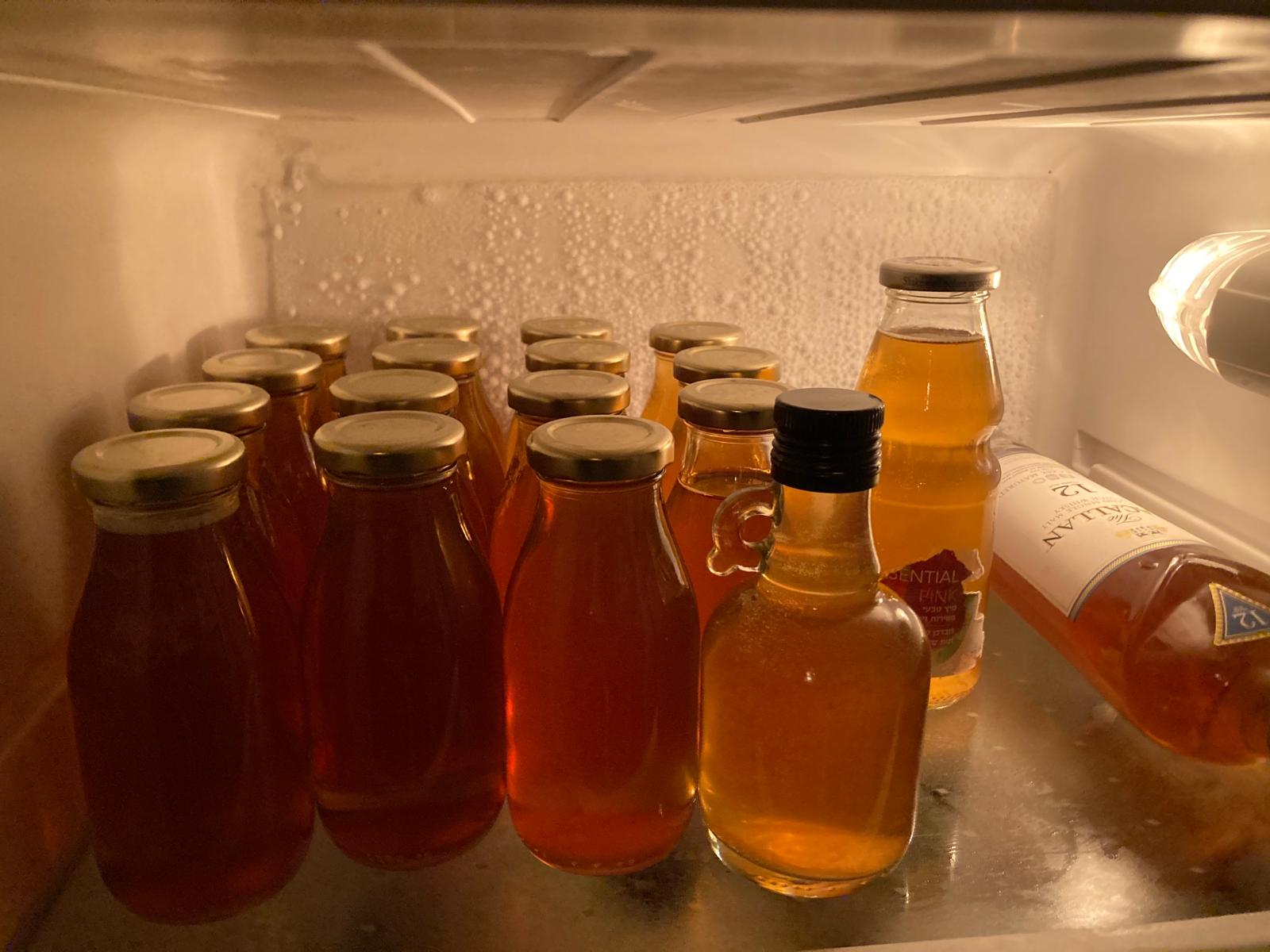
Home kombucha brewer based in Tel Aviv with 6+ years of experience and 500+ batches brewed. I started Kommbucha.com because the information online was scattered or just plain wrong — I wanted advice from someone who actually brews. My kombucha is sold at local Tel Aviv coffee shops and been gifted many times in Detroit, Michigan .