
✍️ Written & Updated by Ofir The Fermenter · 📅 September 24, 2026
1. GT’s Synergy — Best overall (9B probiotics, 6g sugar)
2. Health-Ade — Best flavor variety (cleaner taste, 8-19g sugar)
3. Brew Dr. — Best for beginners (tea-forward, 5-7g sugar)
4. Remedy — Best zero sugar (0g sugar, 30-day ferment)
5. Humm Zero — Best budget (0g sugar, $2-3/can)
Quick Disclaimer: I’m not affiliated with any kombucha brand and I’m not receiving anything from any of them. This is purely my honest opinion and research shared with you readers to help you make smarter choices.
Walk the kombucha aisle of any Whole Foods or Target and you will face a wall of bottles. Every label promises gut health, energy, and immunity. Most of them cannot deliver equally.
The difference between the healthiest kombucha brand and a glorified sparkling juice comes down to four things: raw versus pasteurized, sugar content, ingredient list, and verified probiotic count.
Why Raw vs. Pasteurized Is the First Thing to Check
Heat kills living cultures. Some brands have been heat-processed until the living cultures are functionally dead.
Raw and unpasteurized kombucha preserves those live cultures. If a bottle is shelf-stable at room temperature, it is likely pasteurized and will not provide probiotic benefits.
A simple rule: buy from the refrigerated section. Room-temperature shelving is a reliable red flag.

How Kombucha Actually Works
Kombucha is made from tea, sugar, and a symbiotic culture of bacteria and yeast (SCOBY). This gives it its fizzy essence and gut-boosting properties.
The yeasts convert sugars into ethanol and carbon dioxide. The acetic acid bacteria oxidize that ethanol into acetic acid.
After fermentation, the result contains organic acids, polyphenols, amino acids, B-complex and C vitamins, and minerals including zinc, copper, and iron.
These organic acids can be antimicrobial, helping fight bad bacterial growth. That is where much of the gut-health story begins.
What the Research Actually Says
Research on what kombucha does for human health is somewhat limited. Good quality, robust studies supporting kombucha’s hype are scarce.
Some research suggests kombucha may support a healthy immune system and prevent constipation, similar to probiotic supplements.
Kombucha is often marketed to boost immunity, improve GI function, and act as an antioxidant. Few scientific studies have been performed with humans to confirm these claims. As the U.S. Human Performance Resources review of kombucha benefits and risks notes, the evidence base remains thin.
Healthy skepticism toward miracle claims is warranted. A thoughtful comparison with other fermented foods is worth reading. Check out our breakdown of kombucha vs other probiotics and our broader look at whether kombucha is healthy.
The 5 Healthiest Kombucha Brands, Ranked
These rankings weight raw status, sugar per serving, ingredient simplicity, and documented probiotic count.
1. GT’s Synergy: Best Overall
GT’s Synergy is the original, still considered the best. Raw, unpasteurized, and USDA Organic, it carries 9 billion live probiotics per bottle.
GT’s Synergy runs about 6 grams of sugar per 8 ounces (240 mL). Most kombucha brands land between 5 and 8 grams per serving.
The flavor does not increase the sugar or calories as much as it does in other brands. That is a real advantage across a lineup with many flavors.
One caution: alcohol content can vary. The brand has had recall issues related to elevated alcohol levels. Check your batch if this concerns you.
2. Health-Ade: Best for Flavor Variety
Health-Ade consistently wins blind taste tests. Brewed in small batches in glass jars, their kombucha has a cleaner, more refined flavor profile.
Health-Ade is 100% raw kombucha with active cultures. With 16 flavors for sale, Health-Ade appeals to a mass market well.
The main watch-out: sugar ranges from 8 to 19 grams per bottle depending on flavor. Pink Lady Apple is higher due to added fruit juice concentrate. Stick to the simpler flavors.
3. Brew Dr.: Best for Tea-Forward Drinkers
Brew Dr.’s organic probiotic teas excel for gut health benefits and sustainable practices. Made with 100% organic ingredients, the brand combines festive flavors with beneficial fermentation.
Brew Dr. is the best pick for beginners, with a mild, tea-forward flavor profile. Many flavors are low in sugar at 5 to 7 grams per serving.
Brew Dr. is also the first B Corp certified kombucha company, striving to reduce environmental impact as it grows.
4. Remedy: Best for Zero Sugar
Remedy is an Australian brand with strong US following. Their kombucha is fermented for 30 days, consuming virtually all the sugar.
With 0 grams of sugar and fewer than 10 calories per can, it is the undisputed choice for a low-calorie diet. It is also raw and unpasteurized.
Zero sugar is Remedy’s defining advantage. They use stevia and erythritol in some flavors to maintain sweetness without sugar.
5. Humm Zero Sugar: Best Budget Low-Sugar Option
Humm offers a zero-sugar line where most brands range from 5 to 15 grams per serving. Their Zero Sugar line has just 10 calories per can.
Humm is the best budget option with approachable flavors at a lower price point. It is solid for daily drinkers who do not want to spend $4 per bottle.
Brand Comparison at a Glance
What Makes a Kombucha “Functional” vs. Just Fancy Soda
Some brands market hard on wellness but deliver very little. The word “kombucha” on a label tells you almost nothing about what is inside.
A short ingredient list is the clearest honesty signal. The best kombuchas contain water, tea, sugar, and culture.
- Look for “raw” or “unpasteurized” on the label.
- Check the refrigerated section rather than shelf-stable displays.
- Read sugar per serving, not per container. Many bottles are two servings.
- Short ingredient lists signal minimal post-fermentation additions.
- USDA Organic certification is a good secondary marker. Over 90% of kombucha sold in the US is organic.
Brands Worth Skipping
KeVita pasteurizes its brew and then adds proprietary probiotic strains back in. This creates a consistent product but lacks the diverse ecosystem of raw kombucha.
Any kombucha sold at room temperature in the snack aisle deserves heavy skepticism. The living cultures simply do not survive without refrigeration.
How Much Should You Drink Per Day?
One 16 ounces (473 mL) bottle per day is reasonable for most people. This gives you a meaningful probiotic dose without excessive sugar or acidity.
New to kombucha? Start smaller. If you are new to kombucha, start with half a bottle and work up. The probiotics and organic acids can cause bloating in people not accustomed to fermented foods.
People who are pregnant or breastfeeding, or who have weakened immune systems, should avoid kombucha. If you are on antibiotics, understand how fermented drinks interact with treatment. Our article on whether you can drink kombucha while on antibiotics covers exactly that.
Is Brewing Your Own Ever Healthier Than Buying?
Brewing your own kombucha gives you complete control over ingredients and final sugar content. You can choose the best organic tea and control fermentation time.
Homemade kombucha may contain up to twice the antioxidants of store-bought. The tradeoff is real though.
It requires careful attention to hygiene to prevent contamination with harmful molds. For most people, starting with a reliable commercial brand is the smarter first step.
Q: What is the healthiest kombucha brand in the US right now?
A: GT’s Synergy is the healthiest overall choice for most people. It is raw, USDA Organic, unpasteurized, and independently verified at 9 billion live probiotics per bottle. For zero sugar specifically, Remedy or Humm Zero are better fits. The “healthiest” pick depends on your personal priority: probiotic diversity, sugar content, or calories.
Q: Is pasteurized kombucha worth buying?
A: Generally, no, if you are buying kombucha for its probiotic benefit. Pasteurization kills the live cultures that define real kombucha. Brands like KeVita add lab-grown strains back after pasteurization, which creates consistency but lacks the natural microbial diversity found in raw brew.
Q: How much sugar should kombucha have to be considered healthy?
A: Aim for 5 to 8 grams per 8 ounces (240 mL) serving. That is reasonable left over from fermentation. Anything over 12 grams per serving likely has added fruit juice concentrate or extra sweeteners. Always check the label for serving size, since most 16-ounce bottles count as two servings.
Q: Can I drink kombucha every day?
A: For most healthy adults, yes. One 16 ounces (473 mL) bottle per day is a widely cited practical limit. If you are new to fermented foods, start with 4 to 8 ounces (120 to 240 mL) and increase gradually. People who are pregnant, breastfeeding, or immunocompromised should consult a doctor first.
Q: Is homemade kombucha healthier than store-bought?
A: It can be, since you control every ingredient and fermentation length. Homemade kombucha may contain higher antioxidant levels than commercial versions. The risk is hygiene: improper sanitation can allow mold or harmful bacteria to grow. Sterilize all equipment carefully and maintain consistent fermentation temperatures around 75°F (24°C).
Ofir is a brewer, not a doctor, so anyone with a medical concern should talk to a healthcare professional.
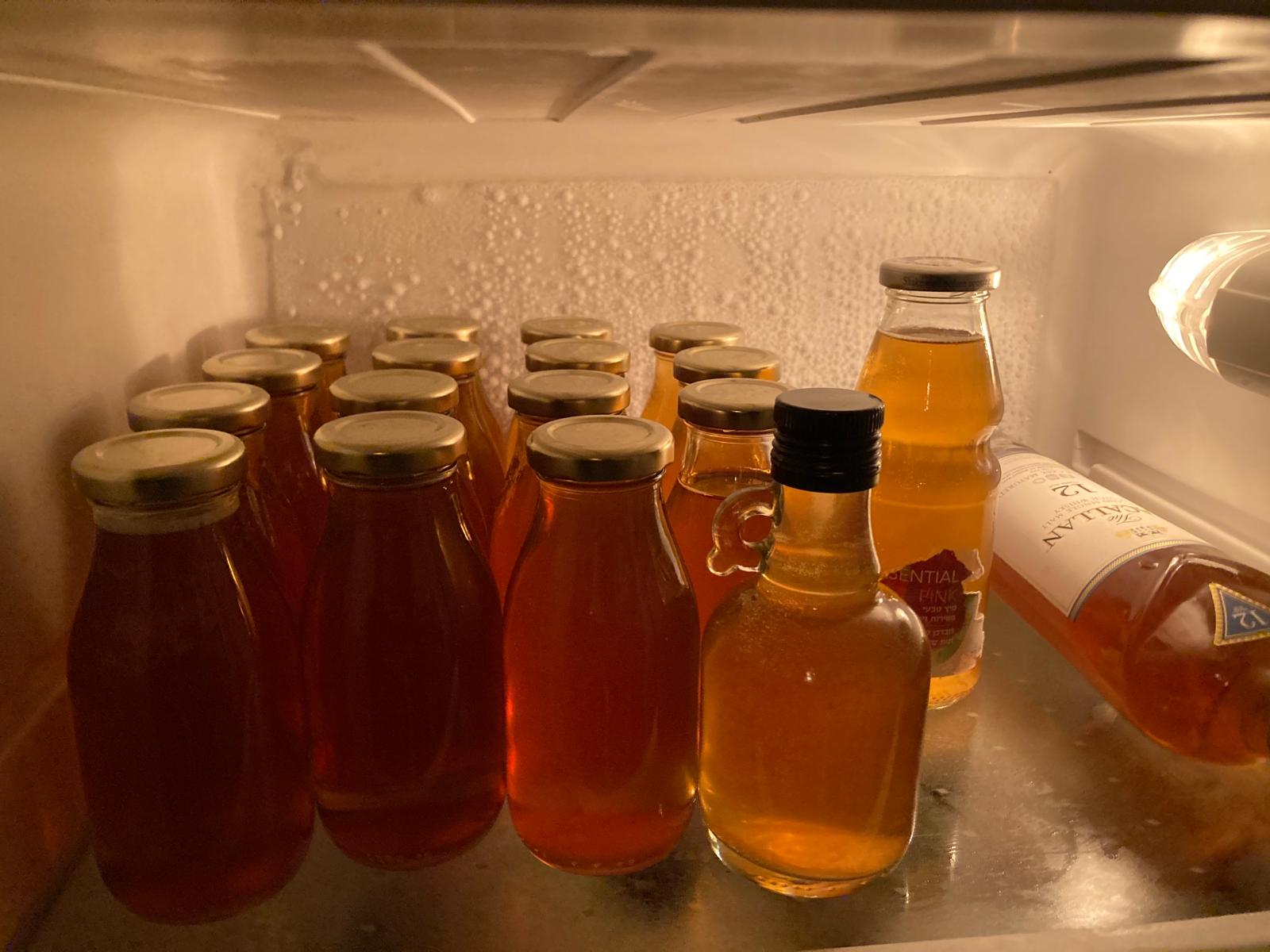
Home kombucha brewer based in Tel Aviv with 6+ years of experience and 500+ batches brewed. I started Kommbucha.com because the information online was scattered or just plain wrong — I wanted advice from someone who actually brews. My kombucha is sold at local Tel Aviv coffee shops and been gifted many times in Detroit, Michigan .