
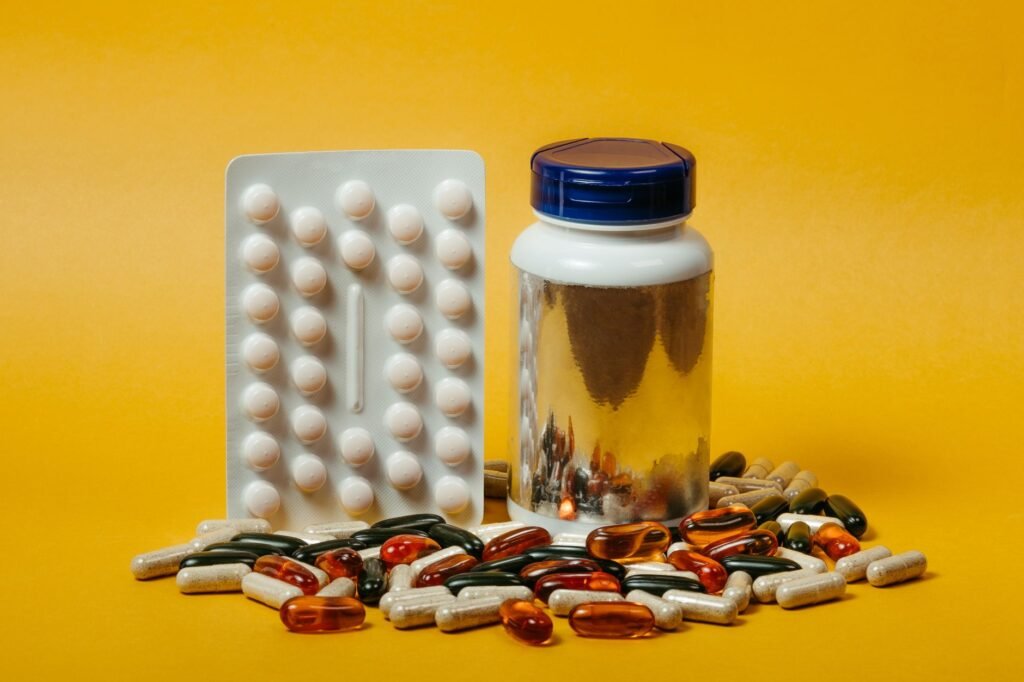
Kombucha and metformin is one of the most common questions I get from people managing type 2 diabetes. The short answer is that they may work in a similar direction, which is exactly why you need to pay attention.
What the research actually shows about kombucha and blood sugar
A Georgetown University pilot trial is the most direct evidence we have. Kombucha lowered average fasting blood glucose levels at four weeks compared to baseline (164 vs. 116 mg/dL), whereas the placebo did not.
This finding, from a pilot 12-person feasibility trial, points to the potential for a dietary intervention that could help lower blood sugar levels in people with diabetes.
Animal data back this up. Four weeks of kombucha intervention increased the abundance of short-chain fatty acid (SCFA)-producing bacteria and reduced gram-negative and pathogenic bacteria.
The improvement in gut microbiota reduced damage to the intestinal barrier, thereby reducing inflammation and insulin resistance.
One study went further. Researchers compared the antidiabetic activity of kombucha and metformin in streptozotocin-induced diabetic rats. Both kombucha and metformin reduced fasting plasma glucose.
That is useful context, but it is an animal model, not a human trial.
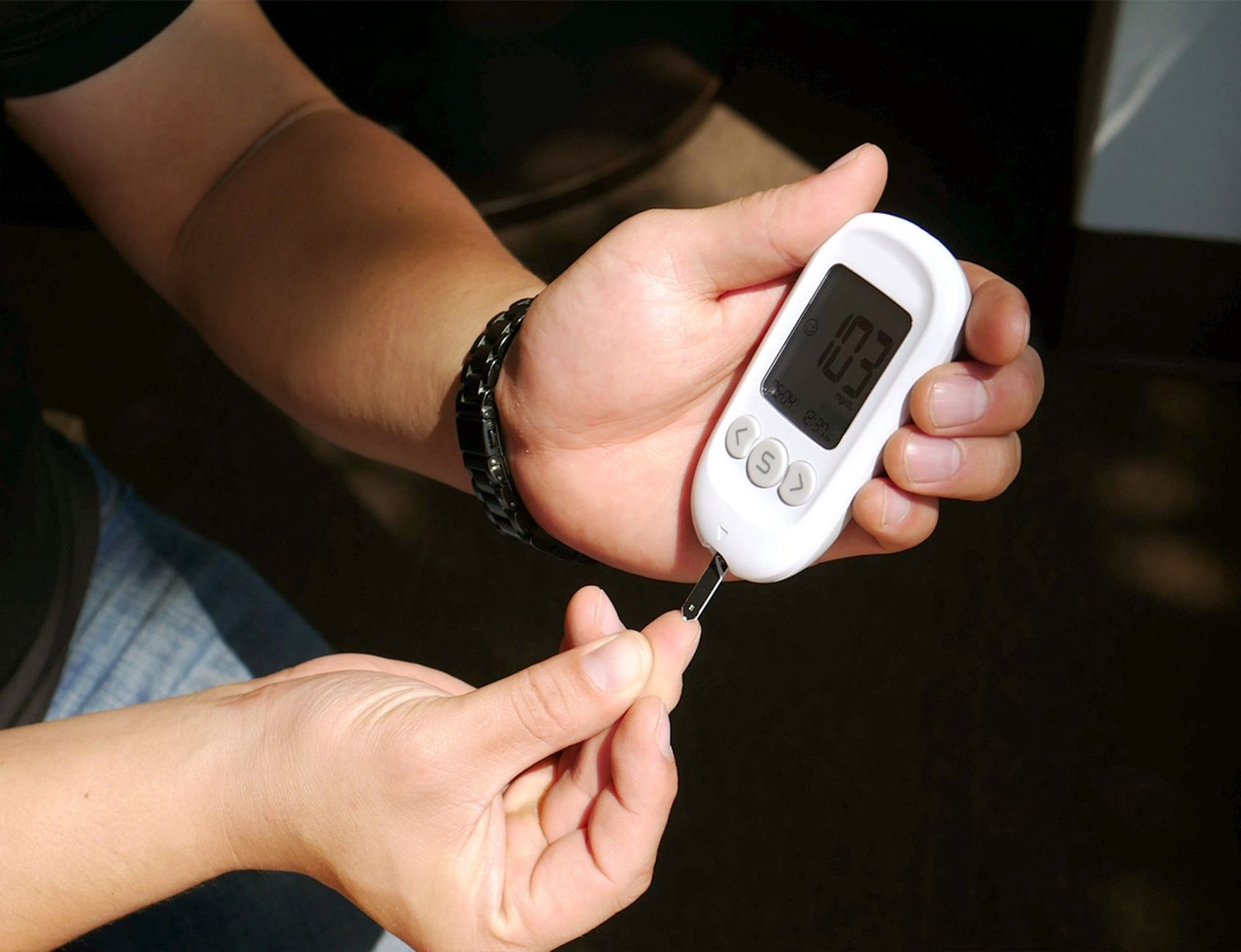
How kombucha lowers blood sugar: the mechanism
The key is acetic acid. During fermentation, yeast converts sugar into alcohol. Acetic acid bacteria then oxidize that alcohol into acetic acid, the same compound that gives vinegar its distinctive flavor.
Acetic acid has been shown to delay gastric emptying and decrease fasting glucose levels in humans with type 2 diabetes. This delayed absorption of carbohydrates allows for a more gradual rise in blood sugar after meals.
Increased levels of SCFA-producing bacteria improve islet beta-cell function by promoting the secretion of gut hormones GLP-1 and PYY. GLP-1 is the same pathway targeted by some newer diabetes drugs.
So what is the actual risk with metformin?
Metformin does not induce low blood sugar levels (hypoglycemia) when used as the sole glucose-lowering therapy. That is the standard pharmacology.
The catch is that kombucha is not a neutral bystander. Medications for diabetes may interact with kombucha. Because these medications are intended to lower blood sugar, and kombucha can also result in a decrease in blood sugar, taking both at the same time could result in blood sugar that is lower than desired.
Among diabetes medications that may have negative interactions with kombucha are insulin, metformin (Glucophage), rosiglitazone, glimepiride, pioglitazone, and glyburide, though this list is not exhaustive.
The concern is not that metformin itself causes hypoglycemia. It is that adding a second blood-sugar-lowering influence can push levels outside the target range, especially if you are fasting, exercising, or your diet changes. As WebMD notes in its overview of kombucha, this interaction warrants careful monitoring for anyone on diabetes medication.
Sugar in kombucha: what diabetics need to know
People sometimes assume kombucha is sugar-free because it tastes sour. It is not. An average home ferment has approximately 4 to 6 grams of sugar per 8 oz (240 mL), and may be as low as 2.5 grams in a longer brew.
The duration of fermentation will decrease the sugar content. That is worth knowing if you brew at home.
Flavored commercial bottles are a different story. Many kombucha brands add additional sugar post-fermentation to sweeten their drinks and add flavor. For people on metformin, those added sugars can create unpredictable glucose spikes.
A tip from my own experience: I advised a small US coffee shop whose house kombucha kept coming out too sour until we pulled the first ferment a couple of days shorter. Residual sugar went up noticeably on the taste test. For diabetics, that difference matters.
Brewing choices that matter for blood sugar management
Practical guidance if you take metformin
- Talk to your doctor first. If you choose to drink kombucha while taking diabetes medication, keep a close eye on monitoring your blood sugar and consult your doctor to ensure that your blood sugar remains healthy.
- Start small. Try 4 oz (120 mL) with a meal and check your glucose response before increasing the amount.
- Read labels carefully. Do not assume all kombucha is safe. Check the label, serving size, and total carbs.
- Avoid drinking on an empty stomach. While metformin alone is rarely associated with low blood sugars, it has been reported in cases where people are fasting or undergoing strenuous physical activity. Adding kombucha’s blood-sugar effect in that state raises the risk.
- Watch for overlapping GI effects. Common side effects of metformin are generally gastrointestinal and include diarrhea, nausea, vomiting, abdominal bloating, and flatulence. Kombucha can cause similar symptoms in excess, so stacking both may aggravate digestive discomfort.
Who should skip kombucha entirely
Kombucha is typically an unpasteurized product. The bacteria and yeast in kombucha make it unsuitable for people during pregnancy and people with weakened immune systems, including people with cancer or kidney disease.
Kidney disease matters here for another reason. Reported cases of metformin-associated lactic acidosis have occurred primarily in diabetic patients with significant renal insufficiency. Kombucha is acidic.
Anyone with compromised kidney function should not add it without medical approval. If you are exploring how kombucha fits into a broader medication picture, the guides on Kommbucha, Home Brewing & Kombucha Guides cover the research in plain language.
The page on kombucha after antibiotics and the one covering kombucha and blood pressure medication are both worth reading if those situations apply to you.
The honest bottom line
The Georgetown trial is encouraging. Although limited by a small sample size, kombucha was associated with reduced blood glucose levels in humans with diabetes. That is not nothing.
But the evidence is preliminary. Adding kombucha to metformin is not dangerous in principle for most people. It does, however, need to be done with your doctor’s knowledge and with glucose monitoring in place.
Q: Can I drink kombucha while taking metformin?
A: Most likely yes, in modest amounts, but check with your doctor first. Both can lower blood sugar, so drinking kombucha on top of metformin could push your glucose lower than intended. Start with 4 oz (120 mL) alongside a meal, monitor your blood glucose response, and increase only with medical guidance.
Q: Does kombucha actually lower blood sugar?
A: A Georgetown University pilot trial found fasting glucose fell from 164 to 116 mg/dL over four weeks of daily kombucha consumption. The study was small (12 participants), so larger trials are needed. Animal studies also support the effect, attributed mainly to acetic acid and gut microbiota changes.
Q: How much sugar is in kombucha if I brew it at home?
A: Typically around 4 to 6 grams per 8 oz (240 mL) serving. A longer ferment of 10 to 14 days reduces residual sugar. Flavored or sweetened batches can be significantly higher, so avoid adding juice if you are managing blood sugar closely.
Q: Why does kombucha affect blood sugar at all?
A: The main driver is acetic acid, produced when bacteria oxidize alcohol during fermentation. Acetic acid slows gastric emptying and carbohydrate absorption, flattening the post-meal glucose spike. Probiotics in kombucha may also improve gut microbiota in ways that enhance insulin sensitivity.
Q: Are there people with diabetes who should avoid kombucha entirely?
A: Yes. People with kidney disease, compromised immune systems, or a history of lactic acidosis should avoid it. Since metformin carries a rare risk of lactic acidosis in patients with renal insufficiency, and kombucha is acidic, the combination warrants extra caution in that group. Always consult a physician.
Ofir is a brewer, not a doctor, so anyone with a medical concern should talk to a healthcare professional.
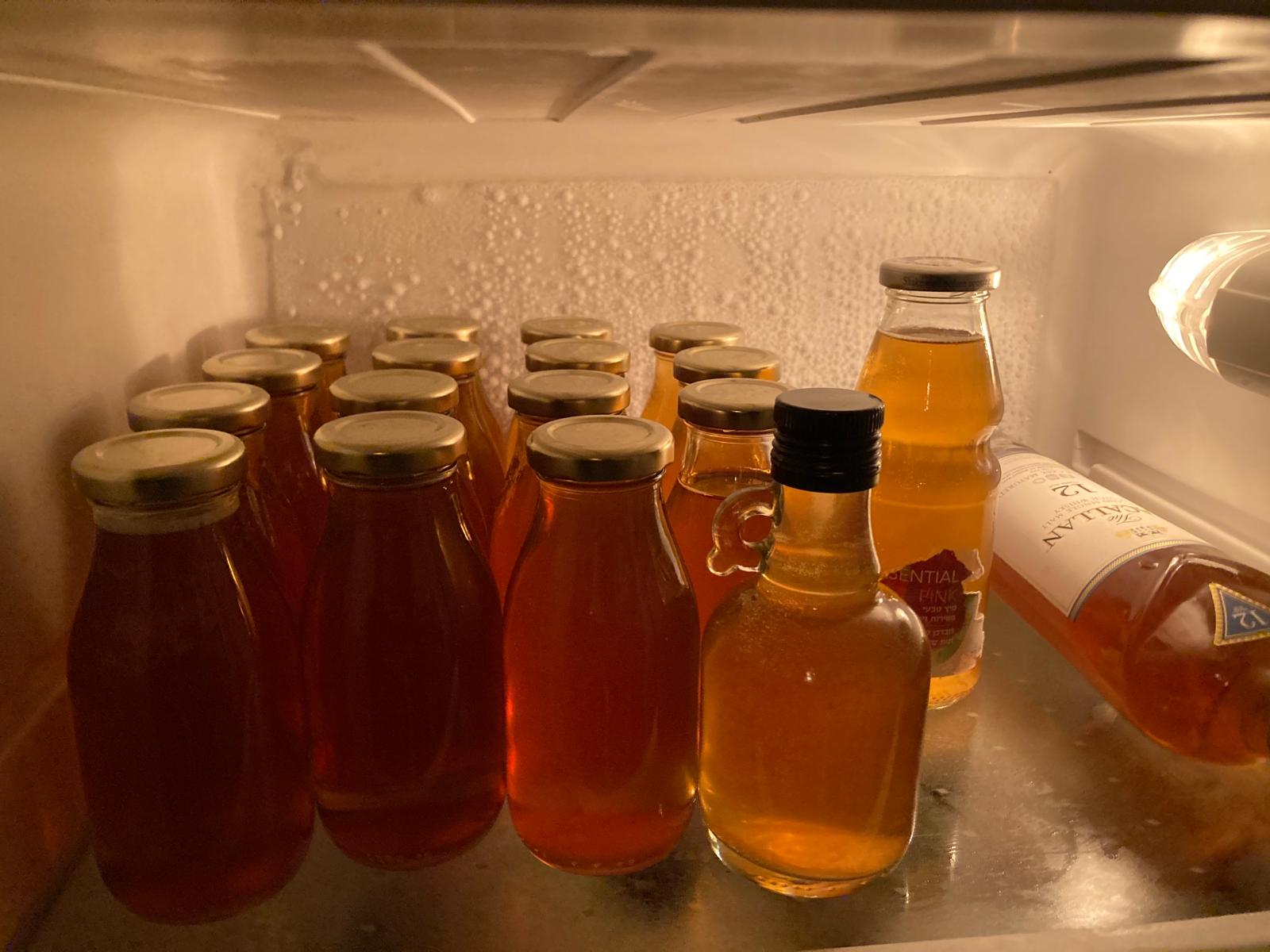
Home kombucha brewer based in Tel Aviv with 6+ years of experience and 500+ batches brewed. I started Kommbucha.com because the information online was scattered or just plain wrong — I wanted advice from someone who actually brews. My kombucha is sold at local Tel Aviv coffee shops and been gifted many times in Detroit, Michigan .