
✍️ Written & Updated by Ofir The Fermenter · 📅 July 9, 2026
Kombucha is having a real moment right now. You’ll spot it in grocery stores, coffee shops, farmers’ markets, and gym bags across the country. Most people drink it because they’ve heard it’s great for gut health, and honestly, there’s real reason to think it may help. But the side effects conversation? That part tends to get glossed over, and it shouldn’t be.
Here’s the honest picture: kombucha is generally safe for healthy adults who drink it in reasonable amounts. But it does come with some real caveats that are worth understanding before you pour a tall glass every morning. Let’s go through them, one by one.
What’s Actually in Kombucha That Can Cause Side Effects?
Kombucha is a beverage fermented from sugared Camellia sinensis tea by a symbiotic culture of bacteria and yeasts, known as a SCOBY. That fermentation process is what gives it the probiotic punch people love, but it’s also the source of most of the potential side effects.
Here’s the key mechanism to understand: during fermentation, the yeast in the SCOBY converts sugar into ethanol and carbon dioxide. The bacteria then convert much of that ethanol into organic acids, primarily acetic acid (the same acid that gives vinegar its bite), as well as lactic and gluconic acids.
The end result is a liquid that has vinegar, B vitamins, and many other types of acids, including amino acids. Those acids are partly what make kombucha interesting, but they’re also what can cause problems if things go wrong or if you drink a lot of it.
The Most Common Side Effects
Digestive Upset and Nausea
Some of the most common side effects of drinking too much kombucha are digestive symptoms, such as nausea and vomiting, which may also be accompanied by headaches. This is usually tied to the drink’s acidity, its carbonation, and the sudden introduction of a large amount of probiotic bacteria to a gut that isn’t used to them.
Start slow. Your gut microbiome needs time to adjust, and flooding it with live cultures all at once is a reliable way to feel bloated and uncomfortable for the rest of the day.
Tooth Enamel Erosion
This one catches a lot of people off guard. The fermentation process produces a highly acidic environment, as bacteria and yeast convert sugars into organic compounds including acetic, gluconic, and lactic acids, resulting in a pH level often falling between 2.5 and 3.5. That’s seriously acidic.
This low pH triggers dental erosion, which is the direct chemical dissolution of the tooth’s hard outer layer, the enamel. Enamel begins to demineralize when the oral environment drops below a critical pH of approximately 5.5. Since kombucha sits well below that threshold, sipping it slowly over long periods is actually harder on your teeth than drinking it quickly.
The fix is simple: don’t sip slowly and don’t brush immediately after. Experts recommend waiting at least 30 to 60 minutes after drinking to allow saliva to begin the natural remineralization process. Rinsing with water right after helps too.
Caffeine and Alcohol Content
Kombucha is typically brewed with black or green tea, both of which contain caffeine, and drinking a lot of kombucha could provide a person with a significant amount of added caffeine. That said, the levels are relatively low.
When kombucha is made with green, black, or other caffeinated tea, it will contain caffeine, but the level is very low, typically less than 15 milligrams per cup.
The alcohol content is another story worth knowing. Because kombucha is fermented, it does contain a low level of alcohol, typically below 0.5%. That’s enough to matter for certain groups (more on that below), but it’s not a concern for most healthy adults drinking a glass or two.
Risks from Contamination and Poor Brewing
Kombucha that is made properly and in clean conditions is possibly safe, with side effects that might include only stomach upset. Kombucha made under conditions where it can be contaminated is possibly unsafe.
The contamination risk is real, especially with home brews. Kombucha made in containers that contain toxic chemicals, such as the lead in pottery glazes, is likely unsafe, as these chemicals can get into the kombucha and might cause serious side effects or poisoning. That’s why you should always brew in glass or food-grade stainless steel, and avoid anything with a glazed ceramic interior.
Porous pots, as well as resins or glazes that contain lead or other contaminants, may leach into the kombucha, and some plastics may break down into the kombucha as it brews. Glass jars are your safest bet.

Who Should Avoid Kombucha (or Be Very Careful)
Pregnancy Deserves Its Own Section
People who are pregnant or breastfeeding or who have weakened immune systems should avoid kombucha tea. The reasons stack up quickly.
First, there’s alcohol. Kombucha sold commercially as a non-alcoholic beverage can contain no more than 0.5% alcohol according to TTB regulations, which is the same amount found in most non-alcoholic beers, but federal agencies continue to recommend completely restricting alcohol consumption during all trimesters of pregnancy.
Then there’s the unpasteurized issue. Pasteurization is a method of heat processing beverages and food to kill harmful bacteria, such as listeria and salmonella. When kombucha is in its purest form, it has not been pasteurized, and the FDA recommends avoiding unpasteurized products during pregnancy.
We have a full breakdown of this topic over at our guide on kombucha during pregnancy if you want to go deeper.
Weakened Immune Systems
Individuals who are prone to infections, such as those with a weakened immune system or chronic conditions that affect their immune system, may want to avoid kombucha. The live bacteria that make kombucha beneficial for healthy people can become a real infection risk for someone whose immune defenses are already compromised.
Liver Conditions
Individuals with liver conditions may want to avoid kombucha or ensure it comes from a controlled environment. There have been rare but documented case reports linking kombucha consumption to liver toxicity. These cases typically involved contaminated or improperly brewed batches, not commercially produced kombucha, but the caution stands.
For a broader look at kombucha’s overall health picture, our guide on whether kombucha is healthy weighs the evidence on both sides.
What the Science Actually Says (Honestly)
It’s worth being straight with you here: the evidence base is thin. There is a paucity of studies addressing kombucha’s safety and toxicological implications. Most of the exciting findings have come from animal studies, not human clinical trials, so extrapolating those results to your daily routine takes some caution.
There is limited data on kombucha tea, and a small amount of research suggests it may give benefits similar to probiotic supplements, including possibly supporting a healthy immune system and preventing constipation. That’s promising, but promising isn’t the same as proven.
You can read a scientific review of kombucha properties on PubMed that covers the literature on its antimicrobial and antioxidant characteristics.
How Much Is Too Much?
There’s no official daily limit from any regulatory body, but the practical guidance is consistent. Four ounces (120 ml) a day of the beverage isn’t likely harmful, but more might cause unwanted side effects. That’s about half a standard kombucha bottle, which is a lot less than most people drink in one sitting.
A small US coffee shop kept serving kombucha by the full 16 oz (480 ml) glass until customers started complaining about bloating and a vinegar-sharp bite. Pulling back to 8 oz (240 ml) pours and adjusting the first ferment to run a couple of days shorter made a noticeable difference in how people felt after drinking it.
If you’re new to kombucha, start at 4 oz (120 ml) and give your gut a couple of weeks to adjust before increasing. If you notice consistent bloating, reflux, or nausea, that’s your body telling you to dial it back or stop altogether.
How to Drink Kombucha More Safely
These practical habits cover the biggest risks without turning every sip into a clinical exercise:
- Keep servings to 4 to 8 oz (120 to 240 ml) a day until you know how your body responds.
- Drink it with a meal or after eating, which buffers the acidity and reduces GI irritation.
- Rinse your mouth with water right after to help neutralize the acid before it sits on your enamel.
- Wait 30 to 60 minutes before brushing your teeth so softened enamel has time to reharden with help from saliva.
- Use a straw when drinking acidic beverages like kombucha to minimize direct contact with teeth, reducing the risk of erosion.
- Brew in glass or food-grade stainless steel, never ceramic or plastic containers.
- Keep it refrigerated to slow ongoing fermentation and prevent alcohol levels from climbing.
For even more on the broader safety picture, Healthline’s overview of kombucha side effects is a solid medically reviewed reference.
And of course, if you want to go deeper on the whole home brewing craft, Kommbucha’s home brewing guides cover the process step by step.
Q: Can kombucha cause digestive problems?
A: Yes, especially if you drink a lot of it at once. Some of the most common side effects of drinking too much kombucha are digestive symptoms, such as nausea and vomiting. Starting with a small amount (4 oz / 120 ml) and building up slowly gives your gut time to adjust.
Q: Is kombucha bad for your teeth?
A: It can be if you sip it frequently throughout the day. Kombucha has a pH often falling between 2.5 and 3.5, which is highly erosive to tooth structure. Drinking it in one sitting, rinsing with water afterward, and waiting before brushing helps protect enamel.
Q: Who should not drink kombucha?
A: Young children, pregnant women, and individuals with compromised immune systems should not drink kombucha tea, whether commercially prepared or prepared at home. People with liver conditions and those sensitive to alcohol or caffeine should also exercise caution.
Q: Does home-brewed kombucha have more side effects than store-bought?
A: Generally, yes. Digestive upset may be due to cross-contamination that might occur during the fermentation process, and this is more common in home-brewed kombucha than in commercial varieties. Home brews also tend to have less predictable alcohol levels, sometimes reaching 3% or more depending on conditions.
Q: Can kombucha cause liver damage?
A: Serious liver damage from kombucha is very rare and mainly linked to contaminated or improperly prepared batches. Cases of severe metabolic lactic acidosis and hepatotoxicity (liver toxicity) have been documented, though these resolved after stopping kombucha. If you have an existing liver condition, talk to your doctor before drinking kombucha regularly.
Ofir is a brewer, not a doctor, so anyone with a medical concern should talk to a healthcare professional.
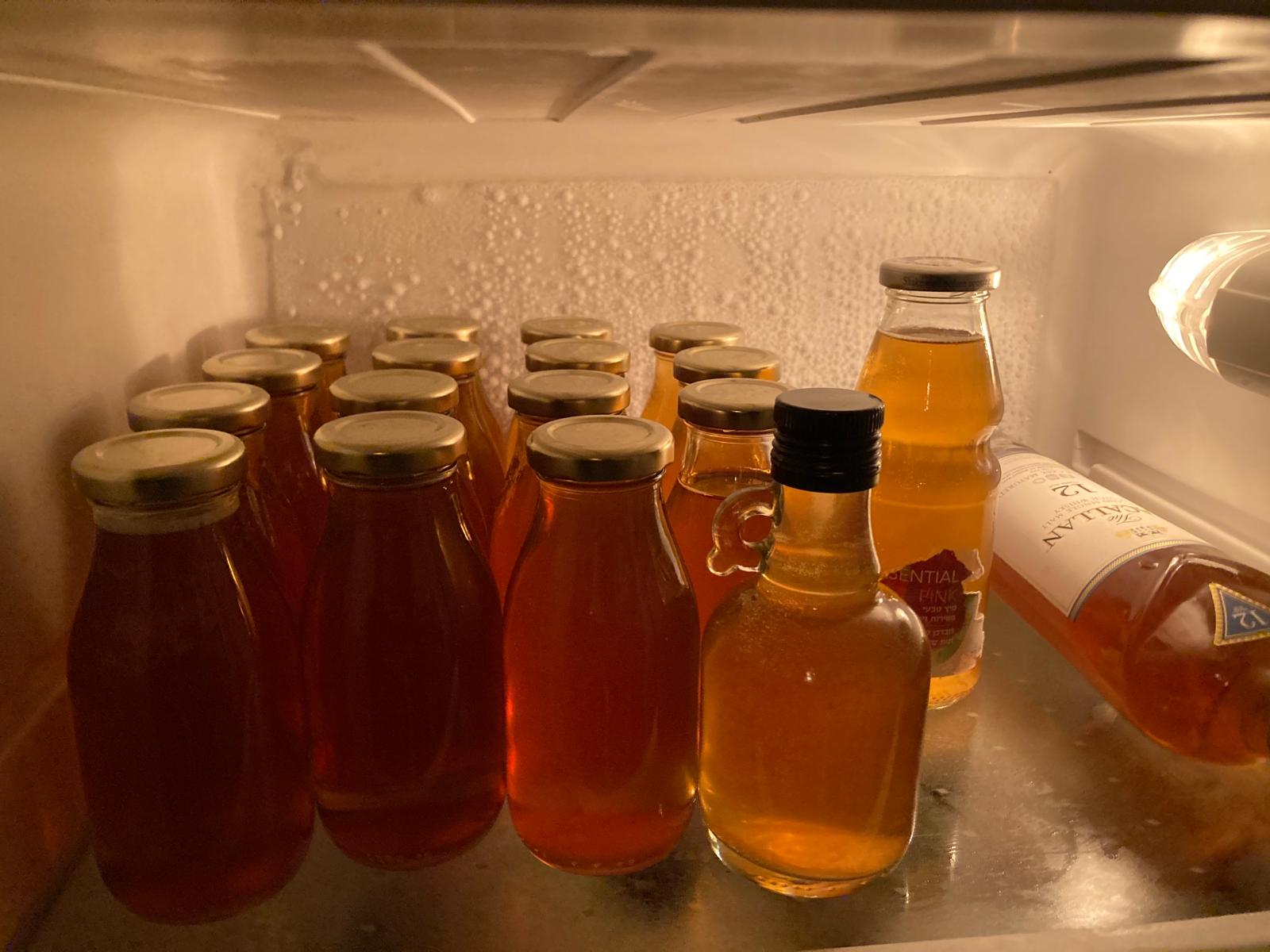
Home kombucha brewer based in Tel Aviv with 6+ years of experience and 500+ batches brewed. I started Kommbucha.com because the information online was scattered or just plain wrong — I wanted advice from someone who actually brews. My kombucha is sold at local Tel Aviv coffee shops and been gifted many times in Detroit, Michigan .