
✍️ Written & Updated by Ofir The Fermenter · 📅 June 5, 2026
This is one of the pages I approached most carefully when writing for this site. Pregnancy is not a topic I take lightly, and I want to be completely clear from the start: I am a kombucha brewer, not a doctor, midwife, or medical professional of any kind.
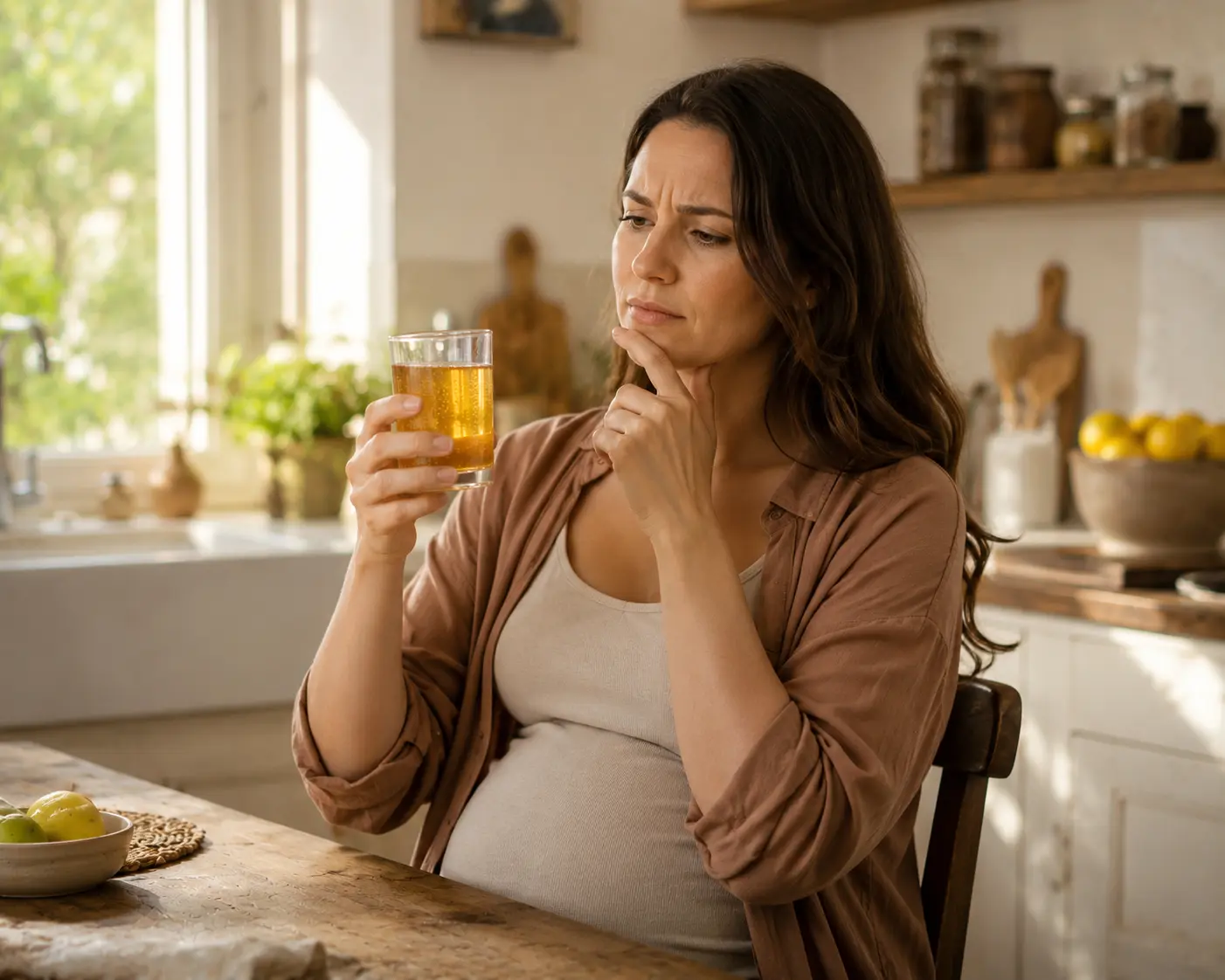
I have not been pregnant. What I know about kombucha during pregnancy comes from research, from reading medical guidance, and from conversations with pregnant women who reached out to me at Kommbucha.com — and in person, at the Tel Aviv coffee shops where I sell my kombucha. It’s a question I’ve been asked more times than I can count, in both places.
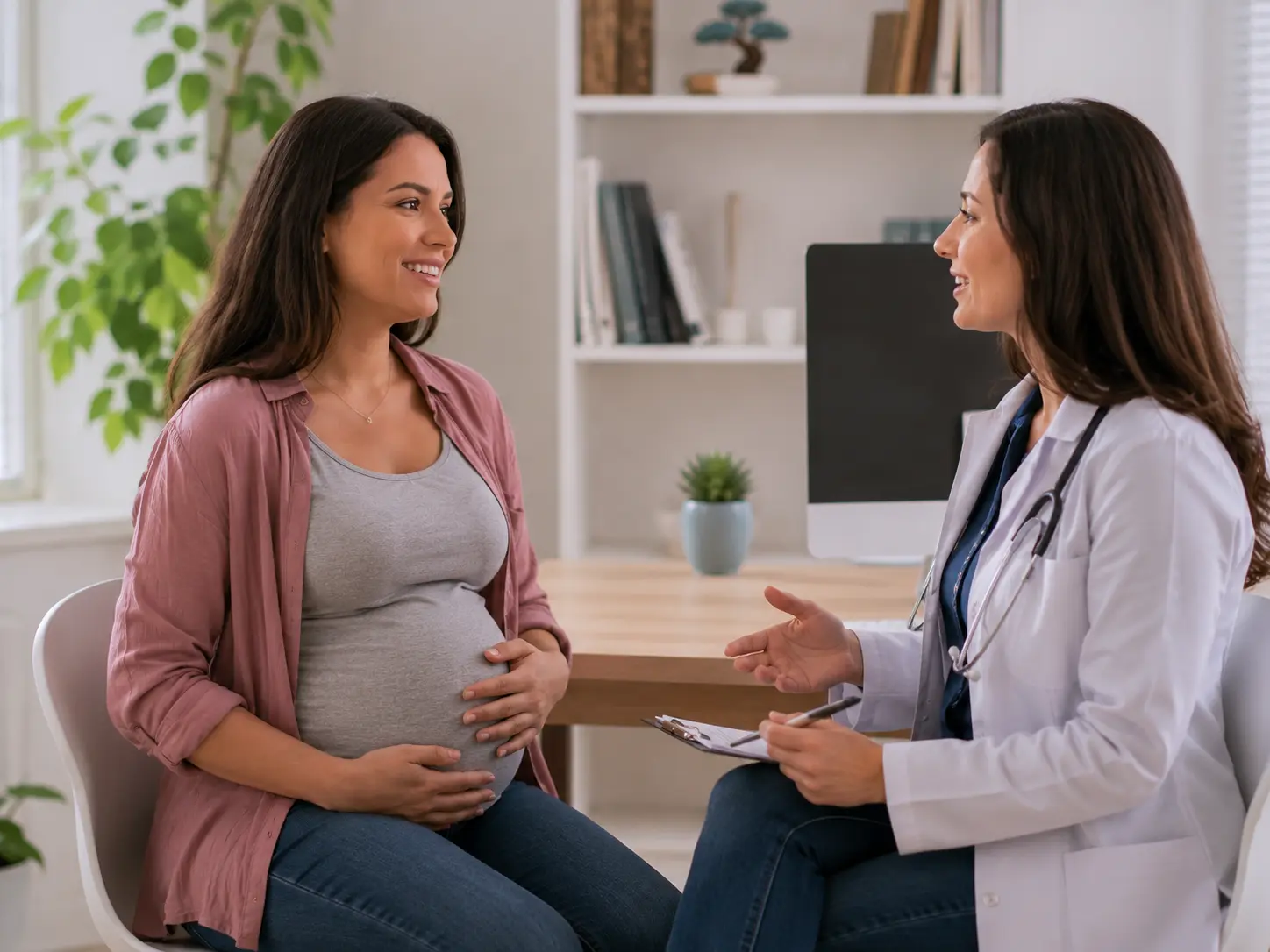
My honest advice — before you read anything else on this page — is this: talk to your OB-GYN or midwife before consuming kombucha during pregnancy. Not as a formality. As a genuine first step. This page can help you understand the relevant concerns and ask better questions, but it cannot replace personalised medical guidance.
With that said — here is what the evidence and guidance actually shows.
Most medical authorities advise avoiding kombucha during pregnancy — especially unpasteurised and home-brewed versions. The three main concerns are trace alcohol (no safe level during pregnancy), live unpasteurised cultures, and caffeine. Always consult your OB-GYN or midwife before making any decision.
The Short Answer
Most health authorities and medical professionals advise pregnant women to avoid kombucha, particularly unpasteurised or home-brewed versions. The reasons are specific and worth understanding — not just accepting blindly.
Why Most Doctors Say No to Kombucha During Pregnancy
🍺 1. Alcohol Content
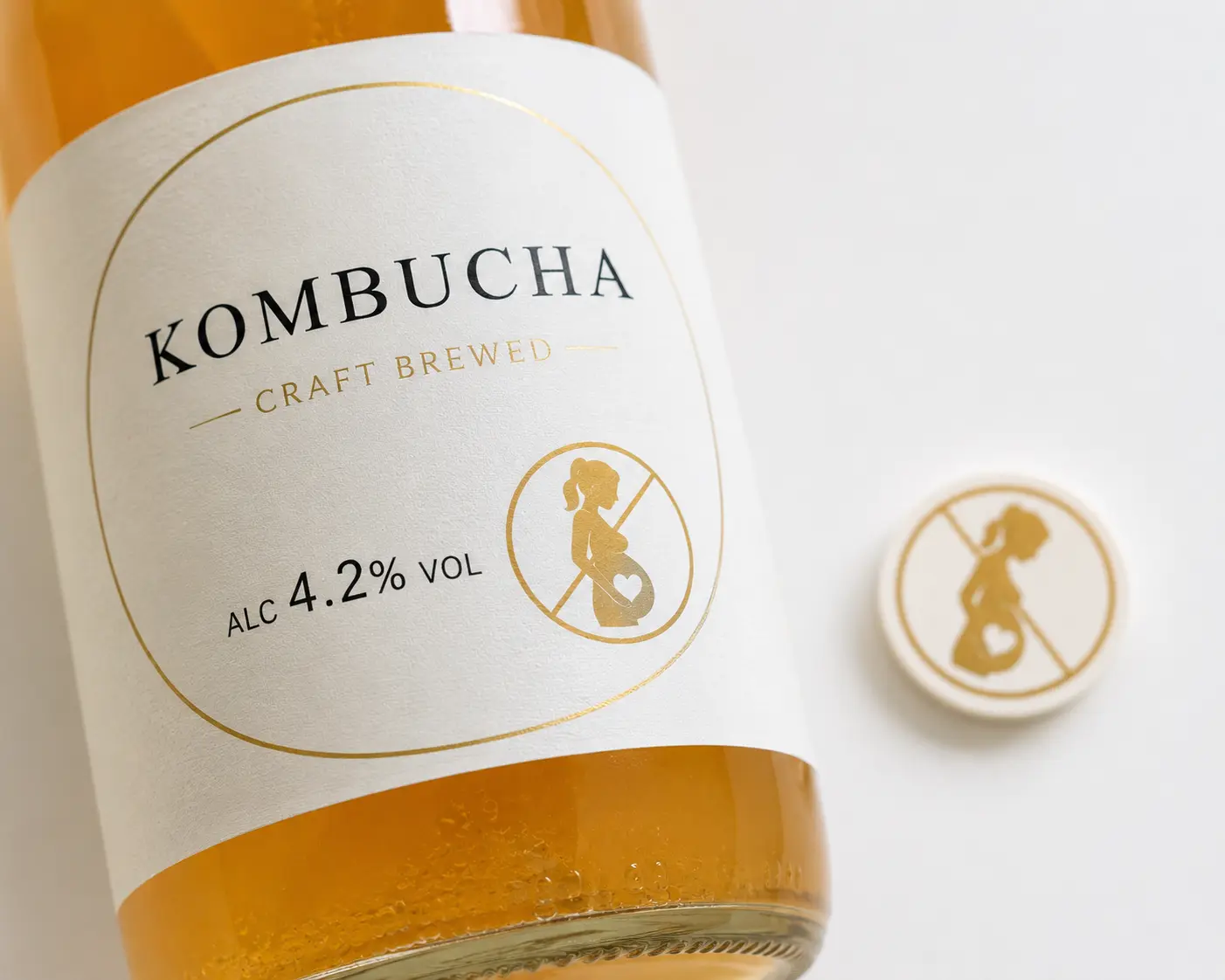
This is the primary concern. Kombucha contains alcohol as a natural byproduct of fermentation — typically 0.5% ABV or less in commercial versions, and potentially 1–3% in home-brewed batches.
The medical consensus on alcohol during pregnancy is unambiguous: no safe level of alcohol has been established. The CDC states clearly that there is no known safe amount of alcohol use during pregnancy. The NHS similarly advises that the safest approach is to not drink alcohol at all during pregnancy. Fetal alcohol spectrum disorders (FASDs) can result from alcohol exposure at any stage.
The alcohol in a single glass of commercial kombucha is far below a standard drink. But given that no safe threshold exists, most doctors apply a precautionary approach and recommend avoiding it entirely during pregnancy.
🧫 2. Unpasteurised and Live Cultures
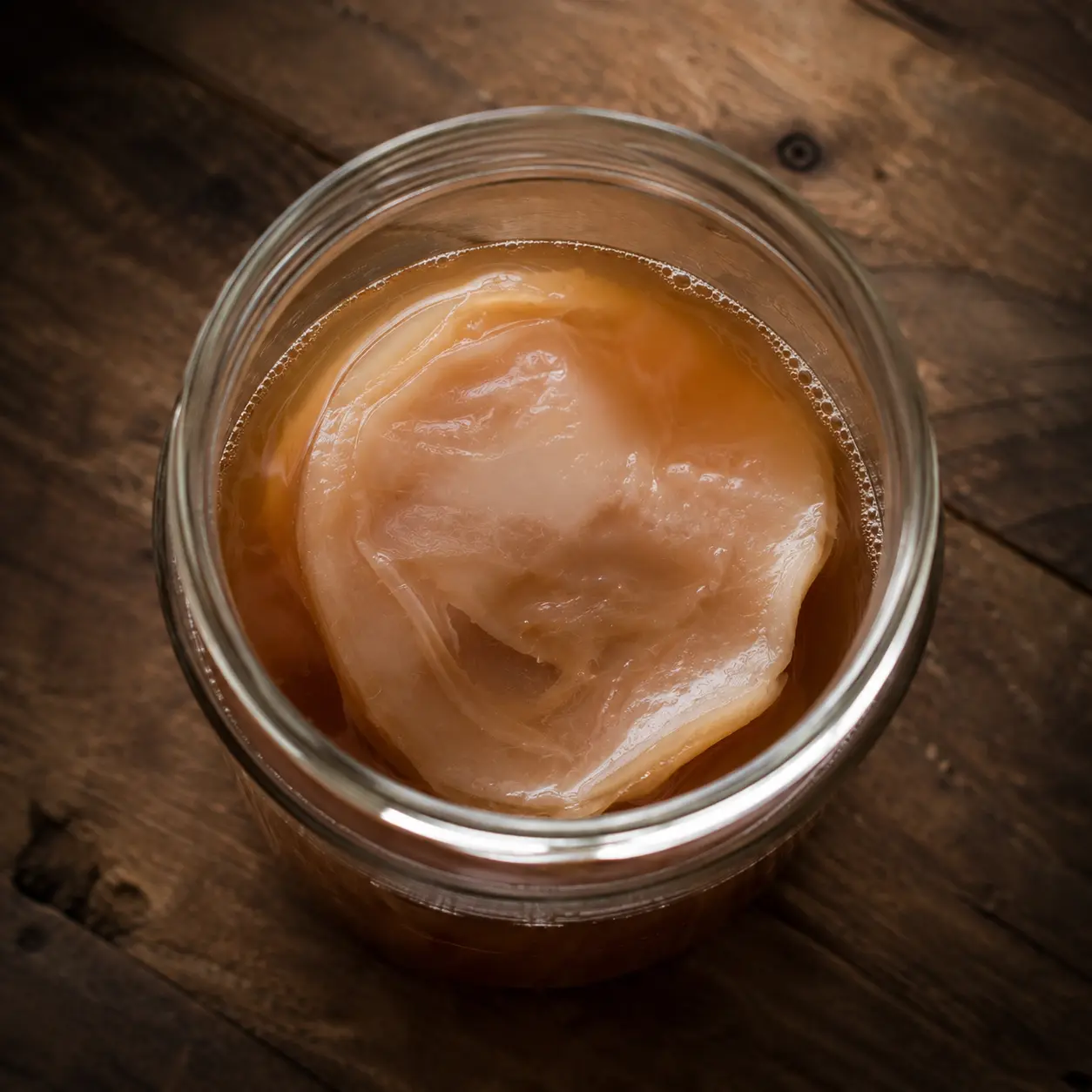
Raw kombucha contains live bacteria and yeast. During pregnancy, the immune system undergoes significant changes — it modulates to protect the foetus, which can affect how the body responds to certain microorganisms.
Unpasteurised foods and drinks are generally advised against during pregnancy. The same guidance that applies to raw milk, unpasteurised cheese, and rare meat also applies to raw kombucha — not because kombucha is inherently dangerous, but because the precautionary principle makes sense when another life is involved.
🍵 3. Caffeine
Kombucha contains caffeine — typically 10–15mg per 250ml, which is low compared to coffee or tea. Most pregnancy guidelines recommend keeping total caffeine under 200mg per day (NHS) or less than 200mg (ACOG).
On its own, a glass of kombucha’s caffeine content is unlikely to be problematic. But it’s worth factoring into your overall daily intake alongside other tea, coffee, or caffeinated drinks.
⚠️ 4. Detoxification Effects
Some sources claim kombucha has detoxifying properties. During pregnancy, this is actually a reason for caution rather than appeal. The liver and kidneys are working differently during pregnancy, and compounds that accelerate detoxification pathways could theoretically affect how the body processes nutrients that are important for foetal development. The evidence here is limited — but it’s another reason why the precautionary approach makes sense.
Is Kombucha Safe in the First Trimester?
The first trimester is considered the highest-risk period for alcohol exposure, as the baby’s organs are forming. This is the trimester where most doctors are most emphatic about avoiding kombucha entirely — commercial or homemade, pasteurised or not. If you’re in the first trimester and wondering, the answer from most medical guidance is a clear no.
What About the Second and Third Trimester?
Some doctors soften their position in the later stages of pregnancy, particularly with small amounts of pasteurised commercial kombucha. The alcohol content of a 250ml glass of commercial kombucha (0.5% ABV) is genuinely trace-level — roughly equivalent to the alcohol in a very ripe banana.
But “some doctors are more flexible” is not the same as “it’s safe.” This is an individual conversation to have with your healthcare provider, based on your specific situation — not a general green light.
What About Pasteurised Kombucha?
Some commercial kombuchas are pasteurised — meaning the live cultures have been killed by heat treatment. This removes the unpasteurised concern, but the alcohol and caffeine remain.
Pasteurised kombucha also loses most of its probiotic benefit, which is arguably the main reason people drink it. So you’re left with a fizzy, slightly tart tea with trace alcohol — and a question of whether that trace alcohol warrants avoidance during pregnancy.
Based on current medical guidance: most doctors would still advise caution even with pasteurised kombucha, due to the alcohol content and the absence of a proven safe level.
What I’ve Heard From Pregnant Women Who Contacted Me
Several pregnant women have reached out to me — through the site and in person at the coffee shops in Tel Aviv where I sell my kombucha. I told all of them the same thing: ask your doctor, not me. I can explain what’s in kombucha. I cannot tell you whether it’s safe for your pregnancy.
Some came back and told me their doctors said a small occasional amount of commercial kombucha was fine in the second or third trimester. Others were told to avoid it entirely. The variation reflects the fact that medical guidance on this is genuinely nuanced, and individual circumstances matter.
I am not sharing this to suggest it’s probably fine. I’m sharing it to be honest that this isn’t a black-and-white topic — and that the conversation with your doctor is where the answer lives, not on this page.
Safer Alternatives During Pregnancy
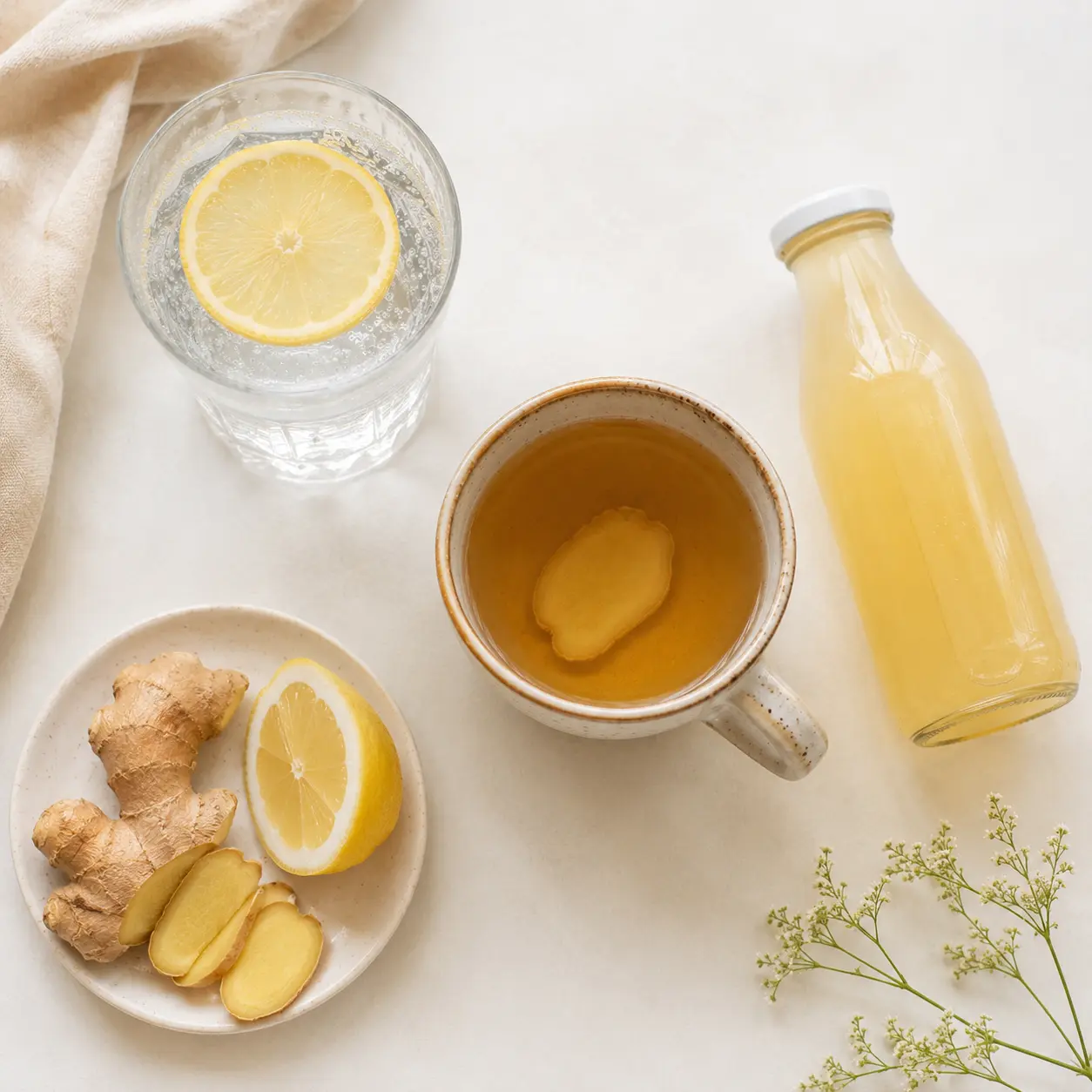
If you’re craving the fizzy, tangy experience of kombucha during pregnancy, here are some alternatives that don’t carry the same concerns:
- Water kefir — dairy-free, probiotic, typically very low alcohol
- Sparkling water with a splash of apple cider vinegar — gives a similar tang without fermentation
- Pasteurised probiotic drinks — brands specifically formulated to be safe during pregnancy
- Ginger tea — caffeine-free, good for nausea, no alcohol
- Kombucha after pregnancy — if you’re breastfeeding and your doctor approves, see my separate guide on kombucha while breastfeeding
Frequently Asked Questions
Q: Is kombucha safe during pregnancy?
A: Most medical guidance advises against it, particularly unpasteurised and home-brewed versions. The main concerns are trace alcohol (no safe level established during pregnancy), unpasteurised live cultures, and caffeine. Speak to your doctor before consuming any kombucha during pregnancy.
Q: What if I accidentally drank kombucha while pregnant?
A: A single accidental glass of commercial kombucha at 0.5% ABV is unlikely to cause harm. Don’t panic — but do mention it to your midwife or OB-GYN at your next appointment so they can give you guidance specific to your situation.
Q: Can I drink kombucha in the first trimester?
A: Most medical guidance says no. The first trimester is the highest-risk period for alcohol exposure during fetal development. Even the trace amounts in commercial kombucha fall under the precautionary guidance to avoid alcohol entirely in the first trimester.
Q: Can I drink kombucha in the third trimester?
A: Some doctors may be more flexible in the later stages of pregnancy, but this is an individual conversation to have with your healthcare provider. It is not a blanket yes from me or from general guidance.
Q: Is there a kombucha that’s safe for pregnancy?
A: No kombucha product has been specifically formulated or clinically validated as safe for pregnancy. If you’re looking for probiotic benefits during pregnancy, speak to your doctor about pregnancy-appropriate alternatives.
Q: Does kombucha affect the baby?
A: The concerns relate primarily to alcohol (which can cross the placenta) and unpasteurised cultures (which may pose risks due to pregnancy-related immune changes). The extent of any effect depends on the specific product, amount consumed, and stage of pregnancy — which is why medical guidance matters here more than general advice.
Q: Can I drink homemade kombucha while pregnant?
A: No — homemade kombucha carries the most risk during pregnancy. Alcohol levels in home-brewed batches can reach 1–3% ABV, significantly higher than commercial versions. There’s also less control over contamination. Home-brewed kombucha should be avoided entirely during pregnancy.
A Final Word
I built Kommbucha.com to share what I know about brewing and drinking kombucha from real experience. This page sits at the edge of what I’m qualified to speak to.
What I can tell you is what kombucha contains and why doctors raise concerns. What I can’t tell you is whether it’s right for your pregnancy. That’s a conversation for you and your doctor — and it’s one worth having directly, armed with the specific questions this page hopefully helped you formulate.
If you have questions about kombucha specifically — what’s in it, how it’s made, what different products contain — feel free to reach out: contact@kommbucha.com
I’m a brewer, not a doctor. Nothing on this page constitutes medical advice.